

The Impact of Prolonged Sitting on Spinal Pressure
Modern work environments increasingly demand prolonged sitting and sustained screen use. While the body is designed for movement, many people now spend hours each day in static seated postures. From a biomechanical perspective, sitting places significantly higher mechanical stress on the spine than standing, particularly in the cervical and lumbar regions. Research shows that sitting upright can increase gravitational load on the lumbar discs by approximately 100%, while leaning forward toward a screen can raise this load to as much as 185%.
This sustained compression is not just a matter of posture discomfort. Over time, spinal discs experience reduced fluid exchange, muscles surrounding the spine remain partially activated, and connective tissues adapt to a shortened, loaded state. By the end of the day, the spine is not simply “tired”; it is compressed, dehydrated, and biomechanically imbalanced. This accumulated load sets the stage for what happens at night, when recovery should ideally take place.

The Science of Spinal Rehydration
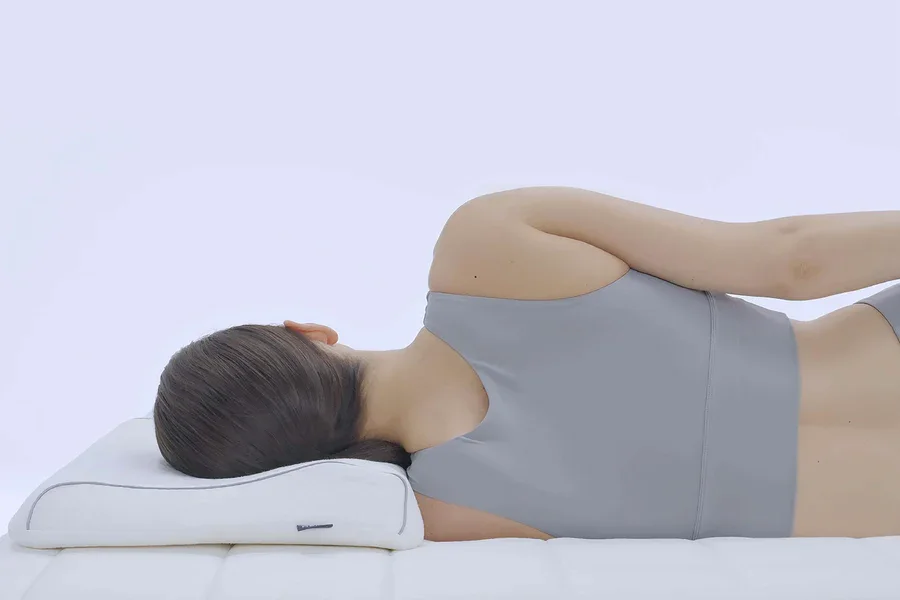
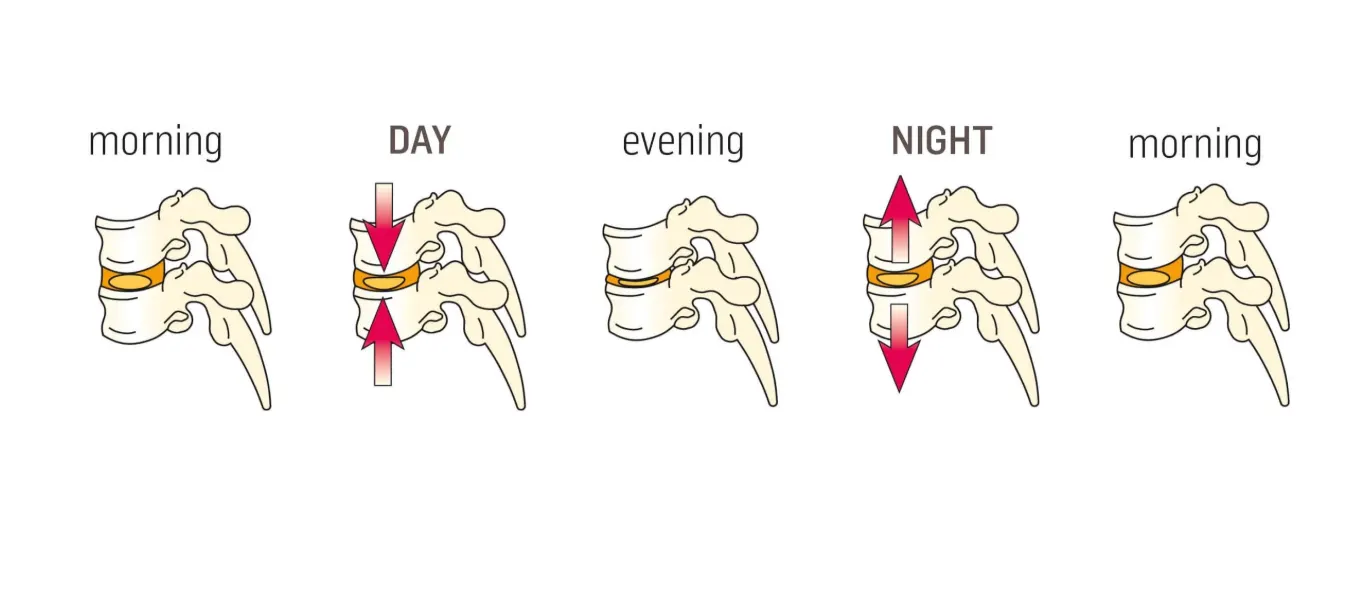
Sleep plays a critical role in spinal recovery. When the body lies horizontally, gravitational compression on the spine is reduced, allowing intervertebral discs to reabsorb fluid and nutrients that were gradually lost during the day. This process, known as spinal rehydration, is essential for maintaining disc height, elasticity, and long-term spinal resilience.
However, rehydration is not automatic. It depends heavily on proper spinal alignment and consistent unloading throughout the night. If the spine remains twisted, flexed, or unevenly supported, certain disc segments stay compressed while others overcompensate. In these conditions, fluid redistribution becomes inefficient, limiting the spine’s ability to fully recover. The result is a subtle but cumulative deficit in overnight repair, often experienced as morning stiffness or lingering back tension.
Why Static Surfaces Fall Short
Most traditional mattresses provide uniform, passive support. While this may feel comfortable initially, static surfaces do not account for individual spinal curvature, asymmetrical fatigue from daily activities, or changes in muscle tone during sleep. As the body relaxes overnight, support needs shift. A mattress that cannot adapt may allow the lumbar spine to sink excessively or remain insufficiently supported, keeping the spine in a strained configuration for hours.
Over time, this incomplete unloading leads to accumulated stress rather than relief. Circulation around compressed areas is reduced, micro-adjustments increase, and the nervous system remains partially engaged. Instead of completing its restorative cycle, the spine enters the next day without having fully reset.
Supporting Spinal Alignment with HEKA AI
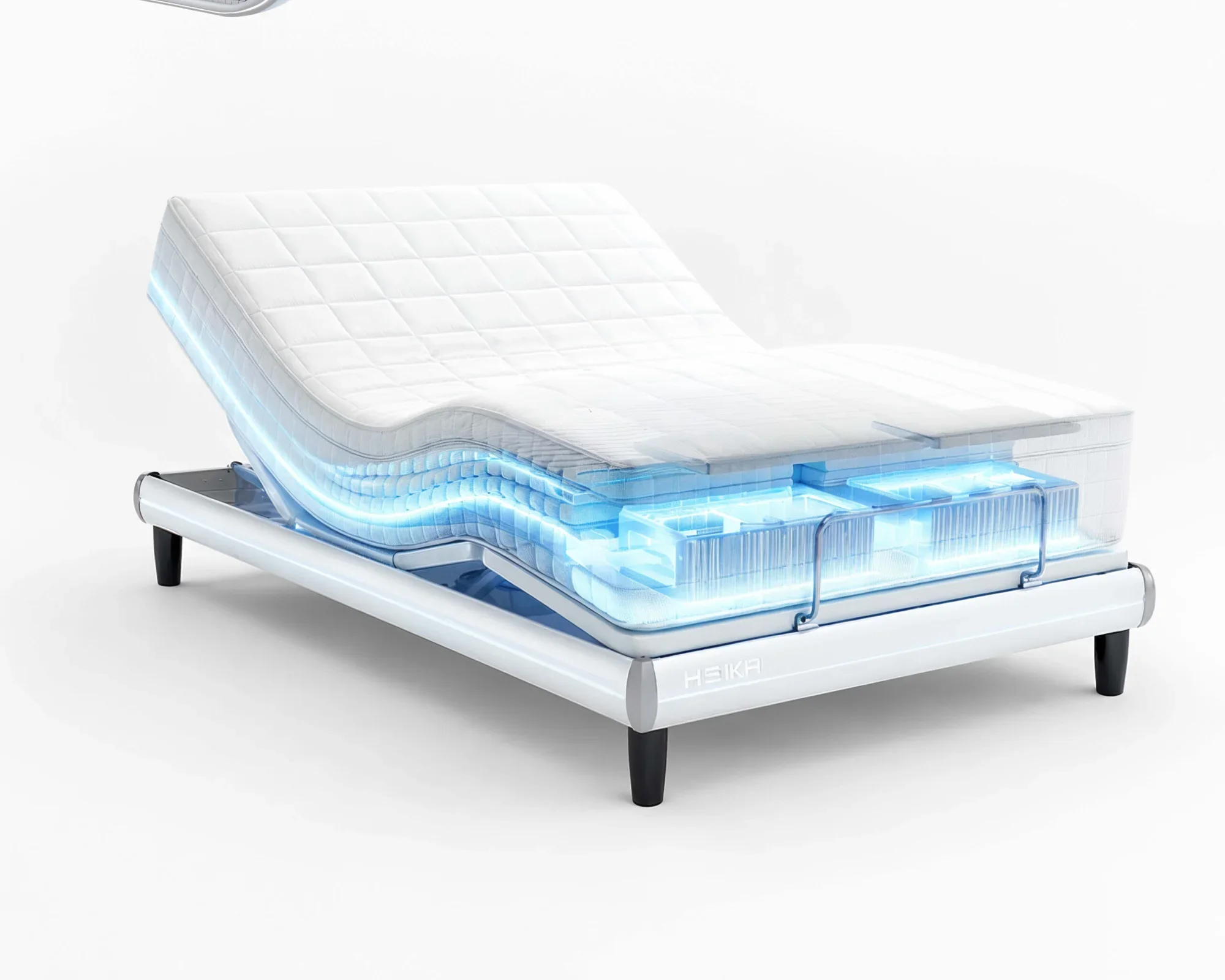
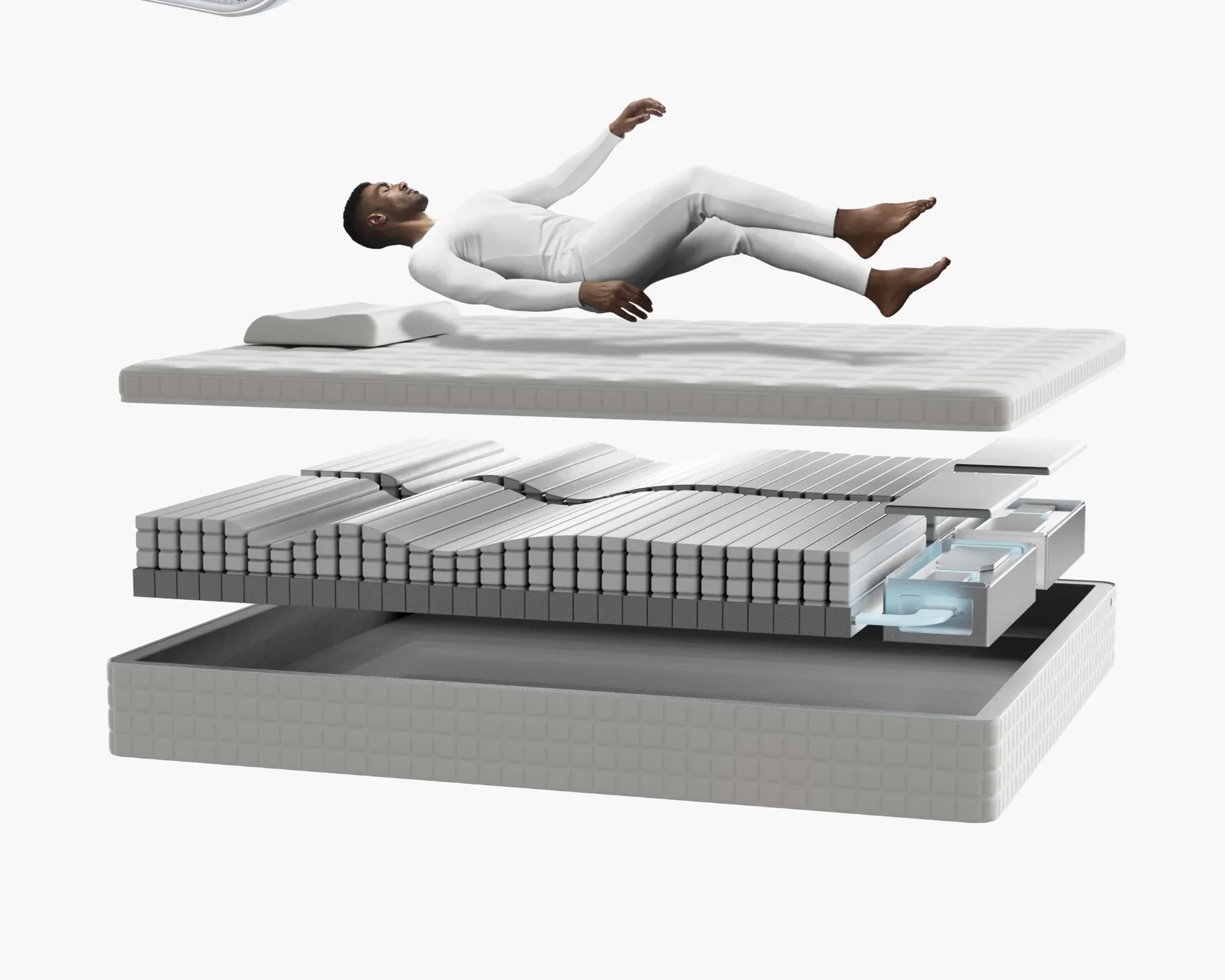
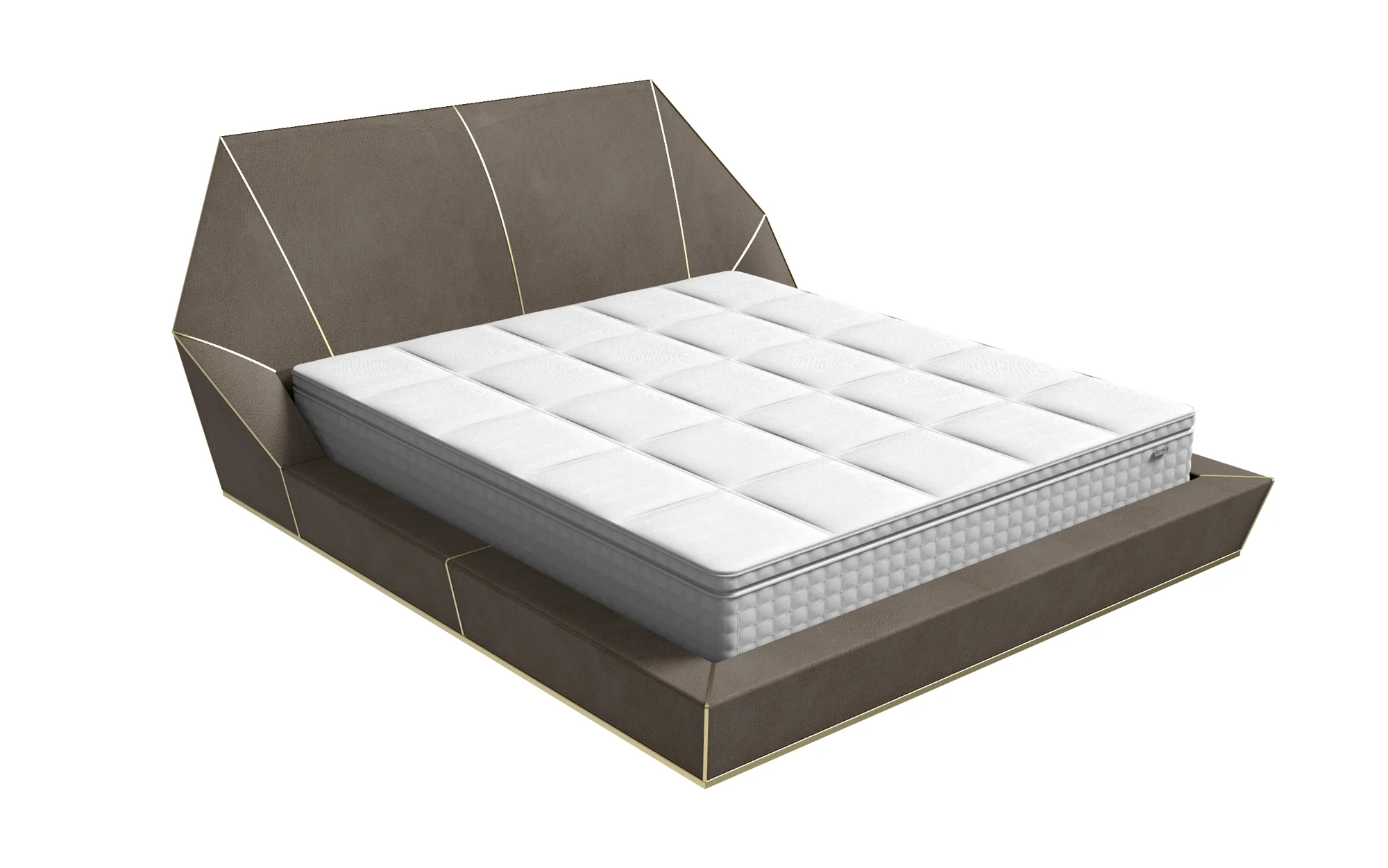
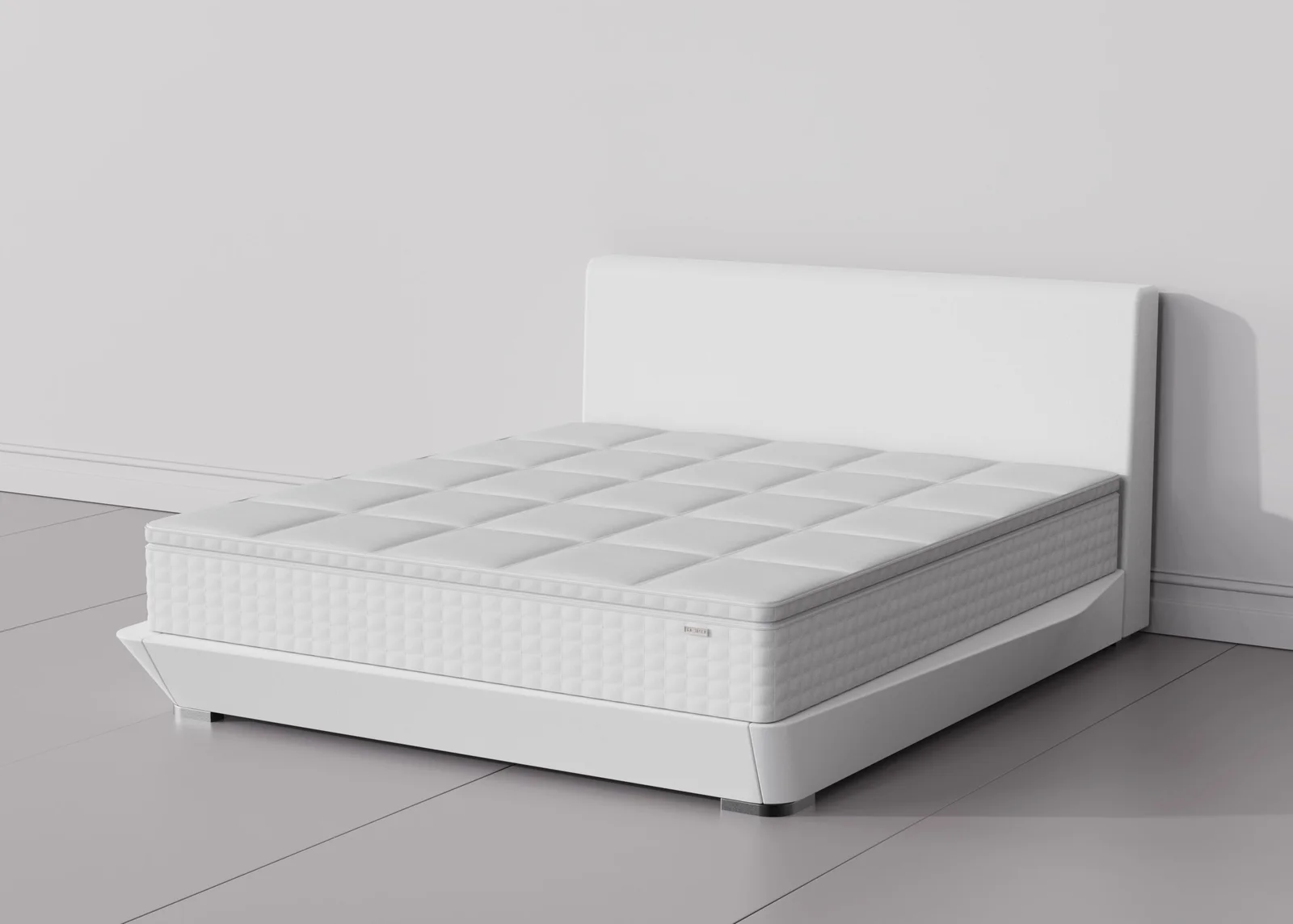
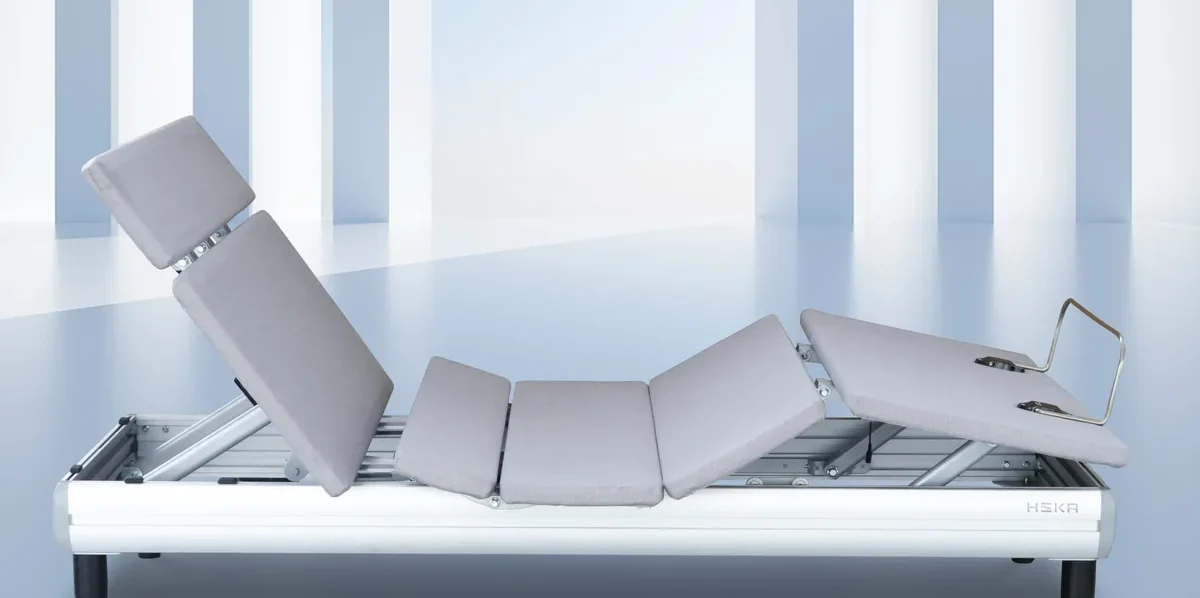
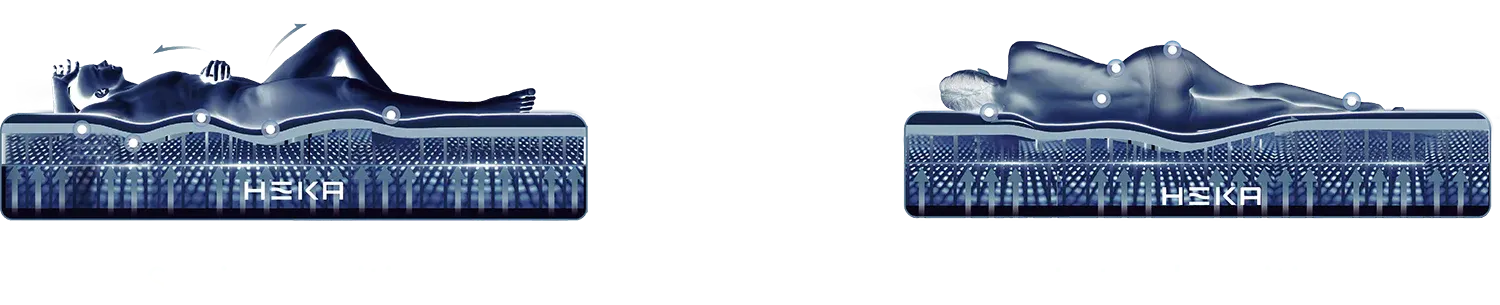
The HEKA AI Mattress functions as an active support system that adapts to the body throughout the night, addressing the limitations of static bedding.
Dynamic Pressure Monitoring
Integrated sensors continuously track changes in posture and pressure distribution as muscle tone relaxes. This allows the mattress to respond in real time, maintaining consistent support as the body settles into deeper sleep.
Lumbar Reinforcement
When increased load is detected in the lower back, lumbar support is subtly enhanced to preserve the spine’s natural curve. This helps reduce prolonged disc compression and creates better conditions for overnight spinal recovery.
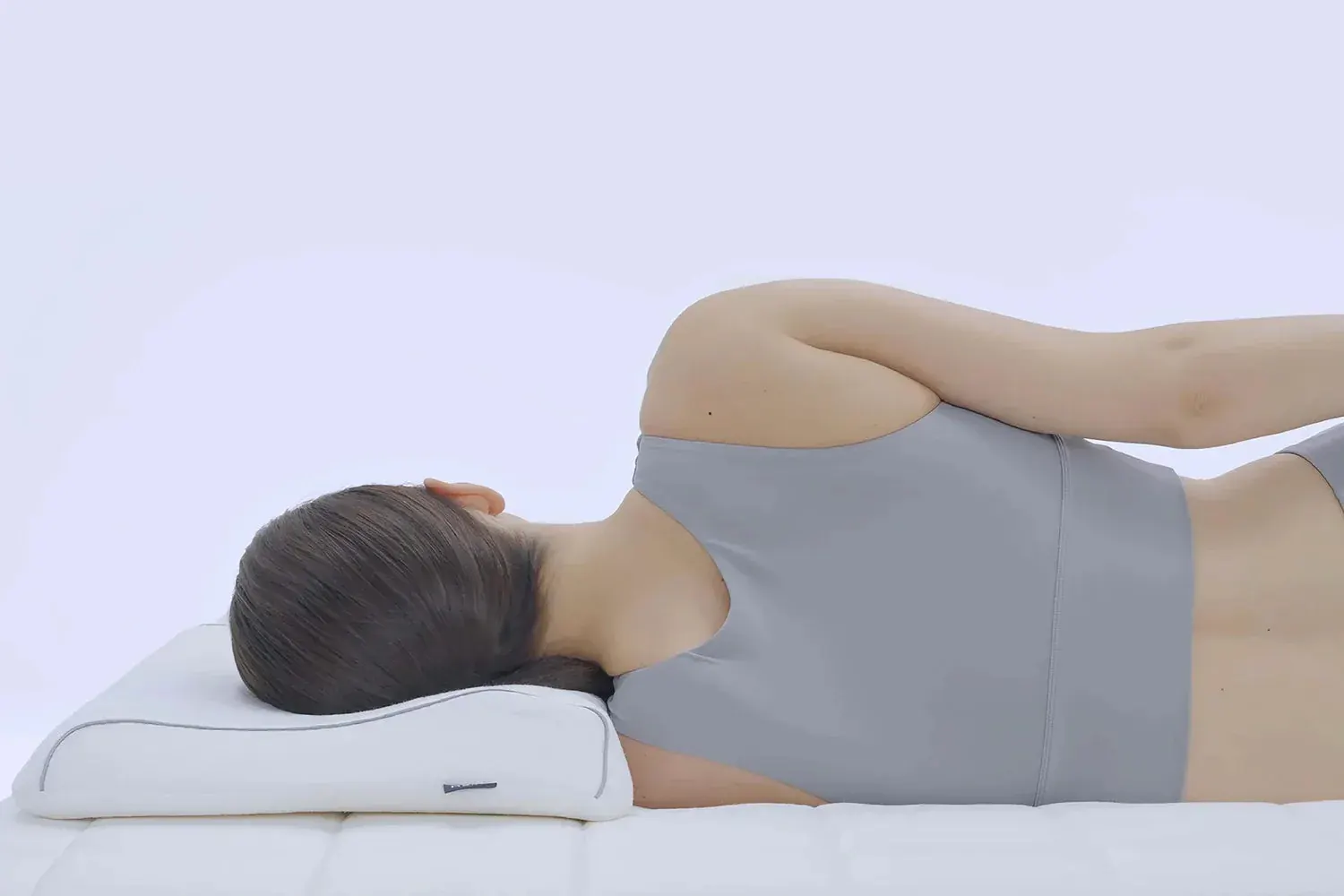
Cervical and Shoulder Relief
By selectively reducing pressure in the neck and shoulder areas, the mattress improves microcirculation and allows overworked muscles to fully release, helping ease tension accumulated during the day.

Long-Term Benefits for Users
Maintaining spinal health requires a balance between mindful daytime posture and effective nighttime recovery. While daily habits determine how much load the spine accumulates, sleep determines whether that load is fully resolved. An adaptive sleep system like HEKA enables the spine to complete its natural repair process each night, reducing the long-term risk of chronic pain, stiffness, and mobility loss.
In this way, sleep becomes not just rest, but an active investment in spinal resilience and long-term musculoskeletal health.