

This Mother’s Day, the most meaningful conversation we can have about women’s health has nothing to do with flowers or brunch. It is about what is actually happening inside the female body during the eight hours that are supposed to be its most powerful time to recover. We spend so much energy optimizing our waking hours. We track what we eat, manage our stress, and invest in our skincare. But for most women, the one thing that underlies all of it, sleep quality, is quietly falling apart, and nobody is talking about why.

What Your Body Is Actually Doing While You Sleep
Sleep is not just rest. It is an active biological process, and the timing of it matters more than most people realize.
In the first half of the night, your body drops into deep sleep, what scientists call N3. This is when your pituitary gland releases the bulk of your daily human growth hormone. For women, this matters far beyond fitness. Growth hormone is directly involved in skin cell renewal, muscle repair, and keeping your metabolism responsive. Every time something pulls you out of that deep sleep phase, whether it is a pressure point on your hip, lower back discomfort, or the simple act of tossing and turning to find a comfortable position, that hormone release gets cut short. You do not get it back. That window closes and the night moves on.
The second half of the night belongs to REM sleep. This is where your brain sorts through the emotional weight of the day, consolidates memory, and essentially resets your stress response system for tomorrow. When women are chronically short on REM sleep, the effects go well beyond tiredness. Emotional reactions become harder to manage. Small stressors feel bigger. The ability to stay calm under pressure starts to erode. And here is the part that often surprises people: this is not just a symptom of hormonal imbalance. Disrupted sleep actively triggers it. The two feed each other in a cycle that is very hard to break if you do not address the root cause.
Why the Standard Mattress Does Not Work for the Female Body
Most sleep research focuses on stress, hormones, and lifestyle as the drivers of poor sleep in women. These are real factors. But there is a more basic, physical reason that gets far less attention: the average mattress was not designed with the female body in mind.
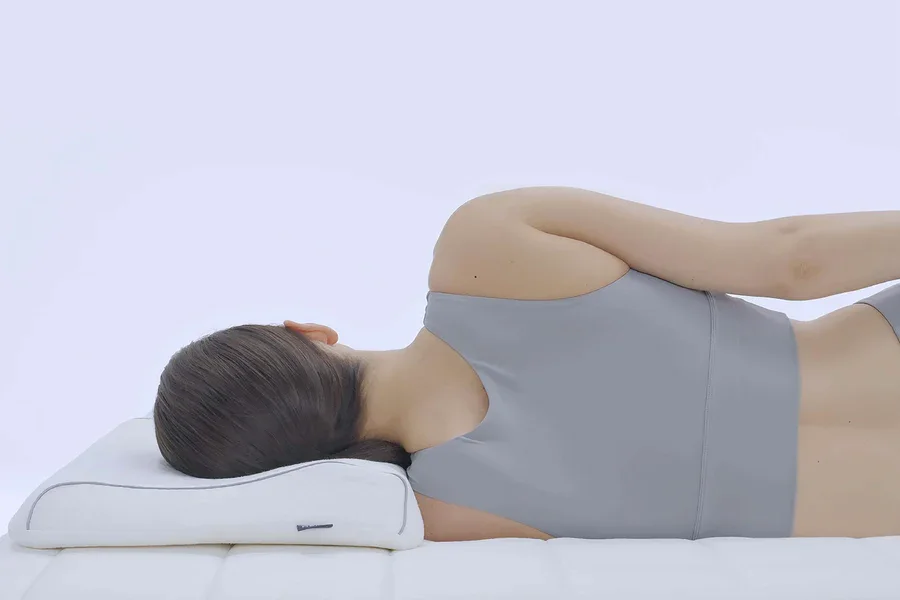
Women typically have a wider hip-to-waist ratio than men. When you lie on a firm or even medium mattress, your hips and shoulders take the weight while your waist floats above the surface with very little support underneath it. Your body tries to compensate by keeping your core muscles slightly engaged all night to protect your lower back. You are essentially doing a very mild plank for eight hours. It is no wonder you wake up stiff.
On a mattress that is too soft, the opposite problem happens. Your hips sink too far, your spine curves out of alignment, and the same protective muscle tension kicks in. There is no in-between with a static surface. It can only be optimized for one body shape, in one position, at one moment. The second you move, it fails you.
This constant low-level physical stress keeps your nervous system just alert enough to prevent you from settling into the deep, restorative stages of sleep. You may not fully wake up, but your body is never fully at rest either.

The Perimenopause Factor
For women going through perimenopause, all of this becomes noticeably worse. Falling estrogen levels interfere with the brain’s ability to regulate body temperature during the night, which is one of the main reasons women in this stage of life wake more frequently. The body is already on edge neurologically. A mattress that adds physical discomfort to that picture creates a compounding problem that a better bedtime routine or a sleep supplement simply cannot fix.
Estrogen also helps maintain the elasticity and strength of connective tissue. As it declines, pressure sensitivity at the hips, shoulders, and lower spine increases. A mattress that felt fine at 35 can become a genuine source of pain at 48. The body changes, and the support it needs changes with it.
What Changes When the Support Is Right
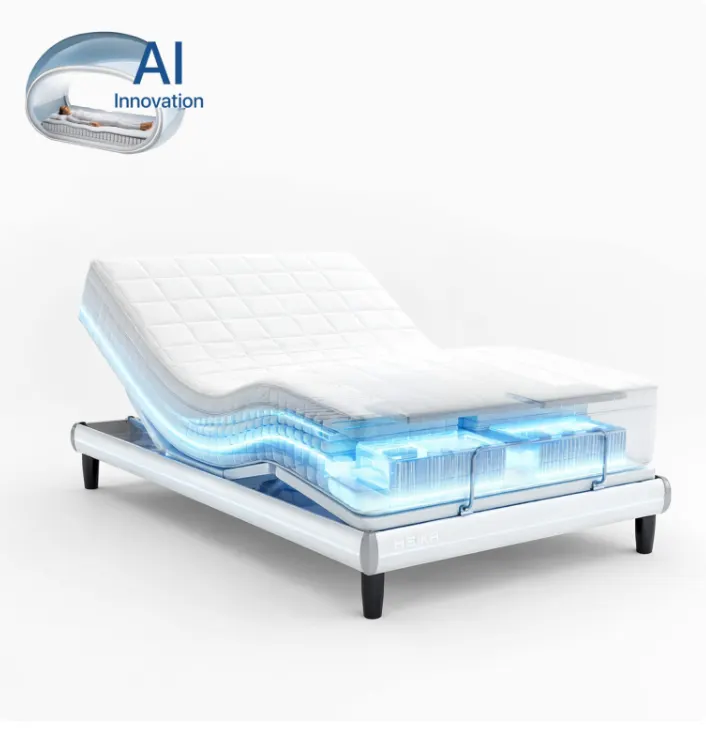
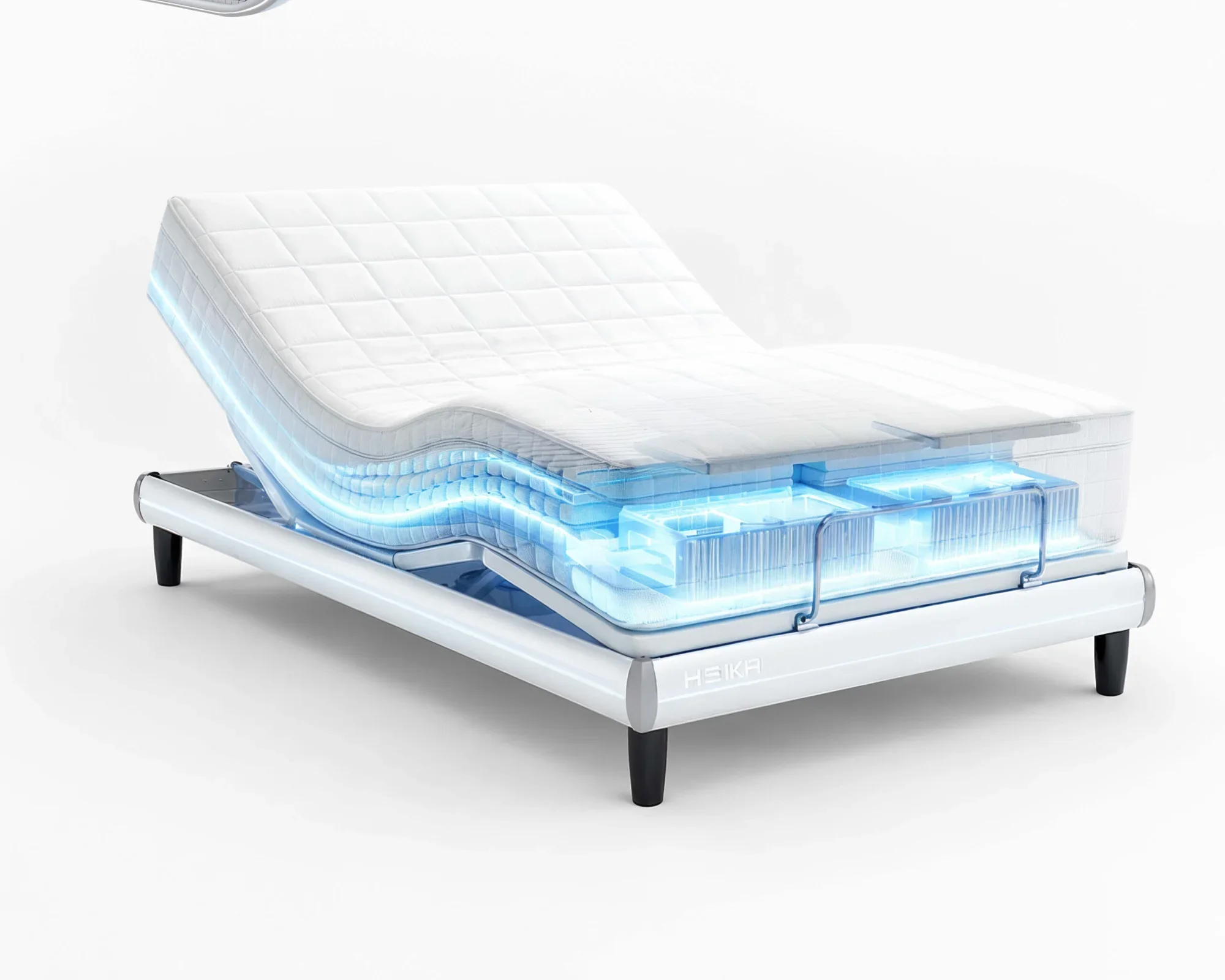
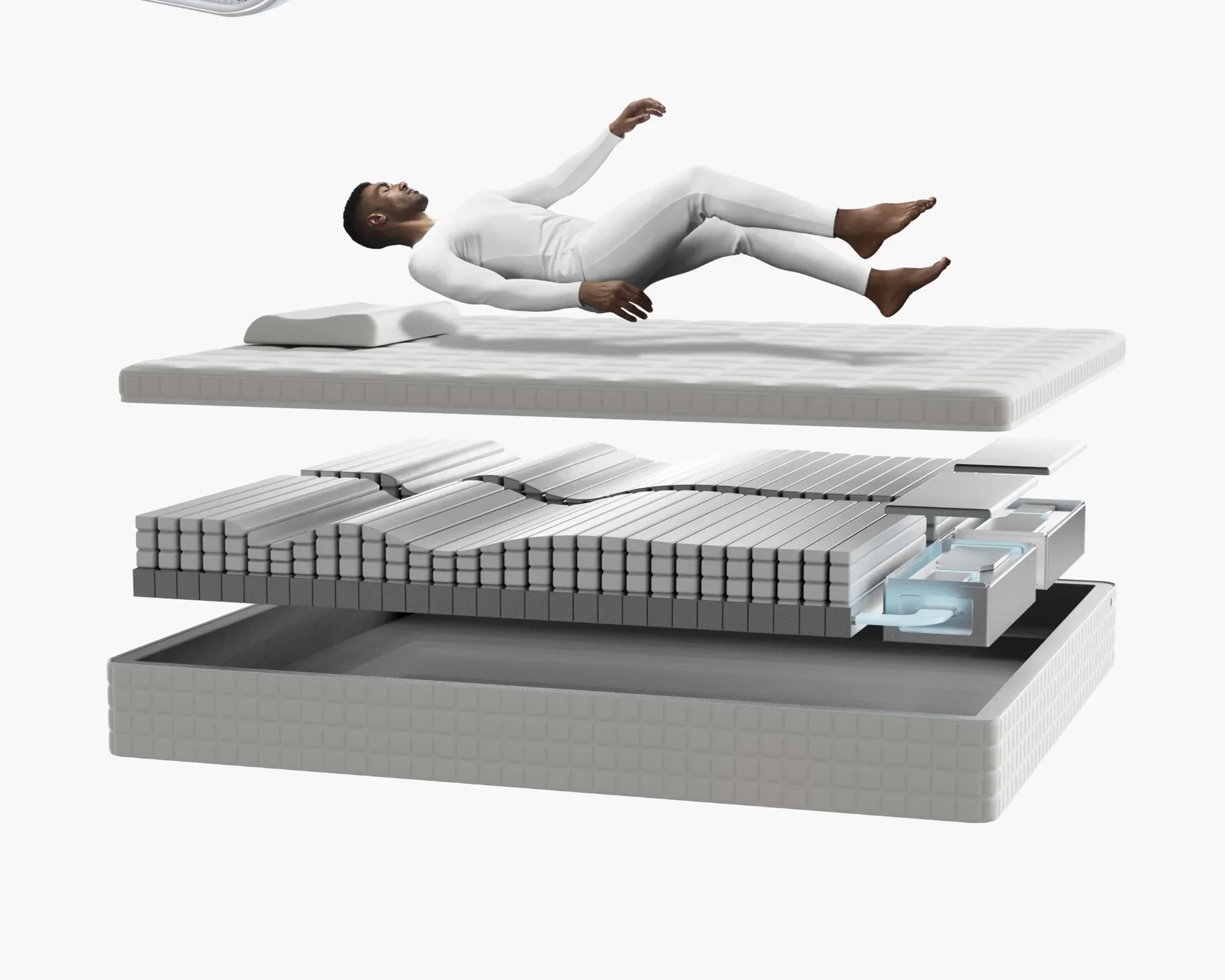
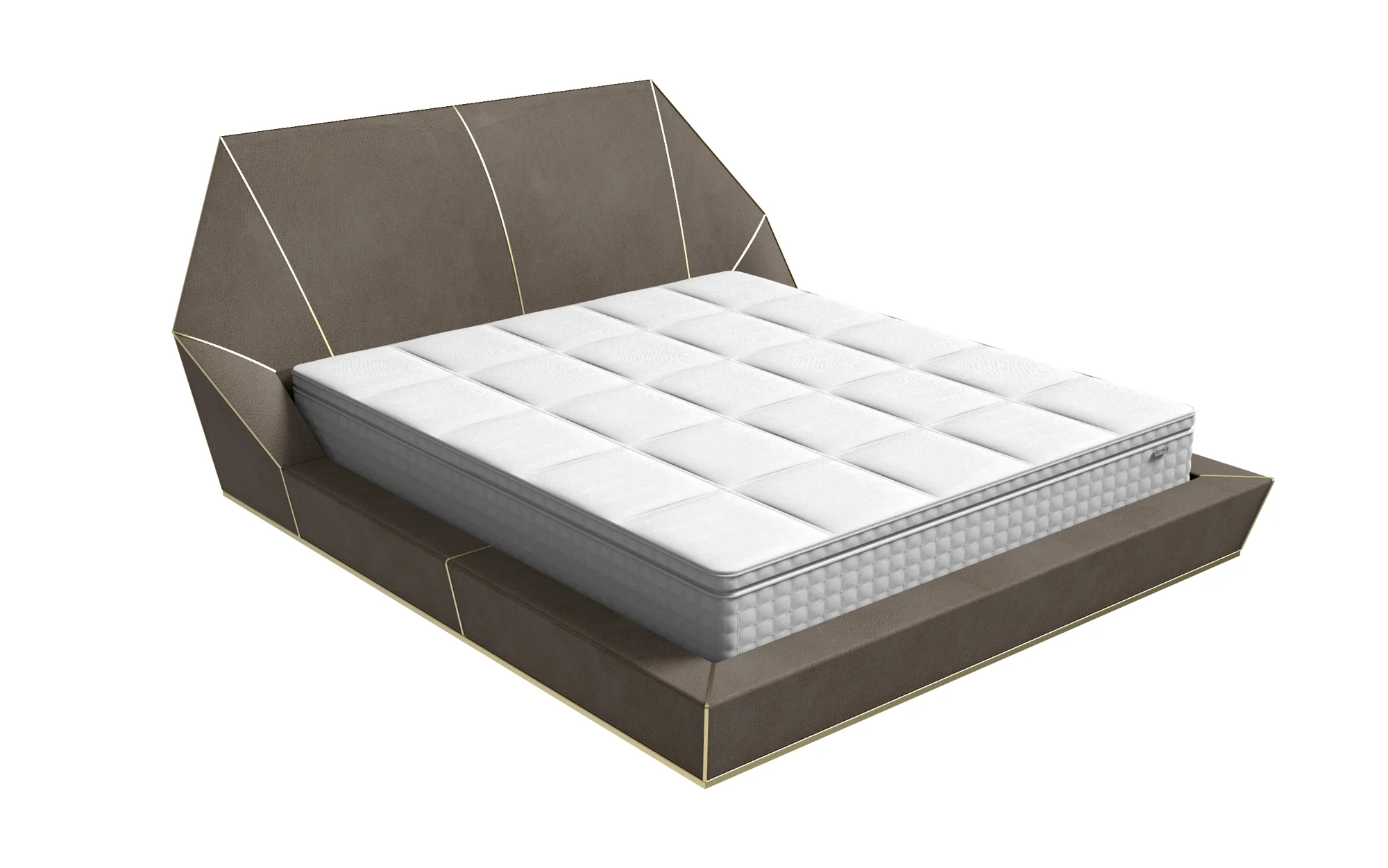
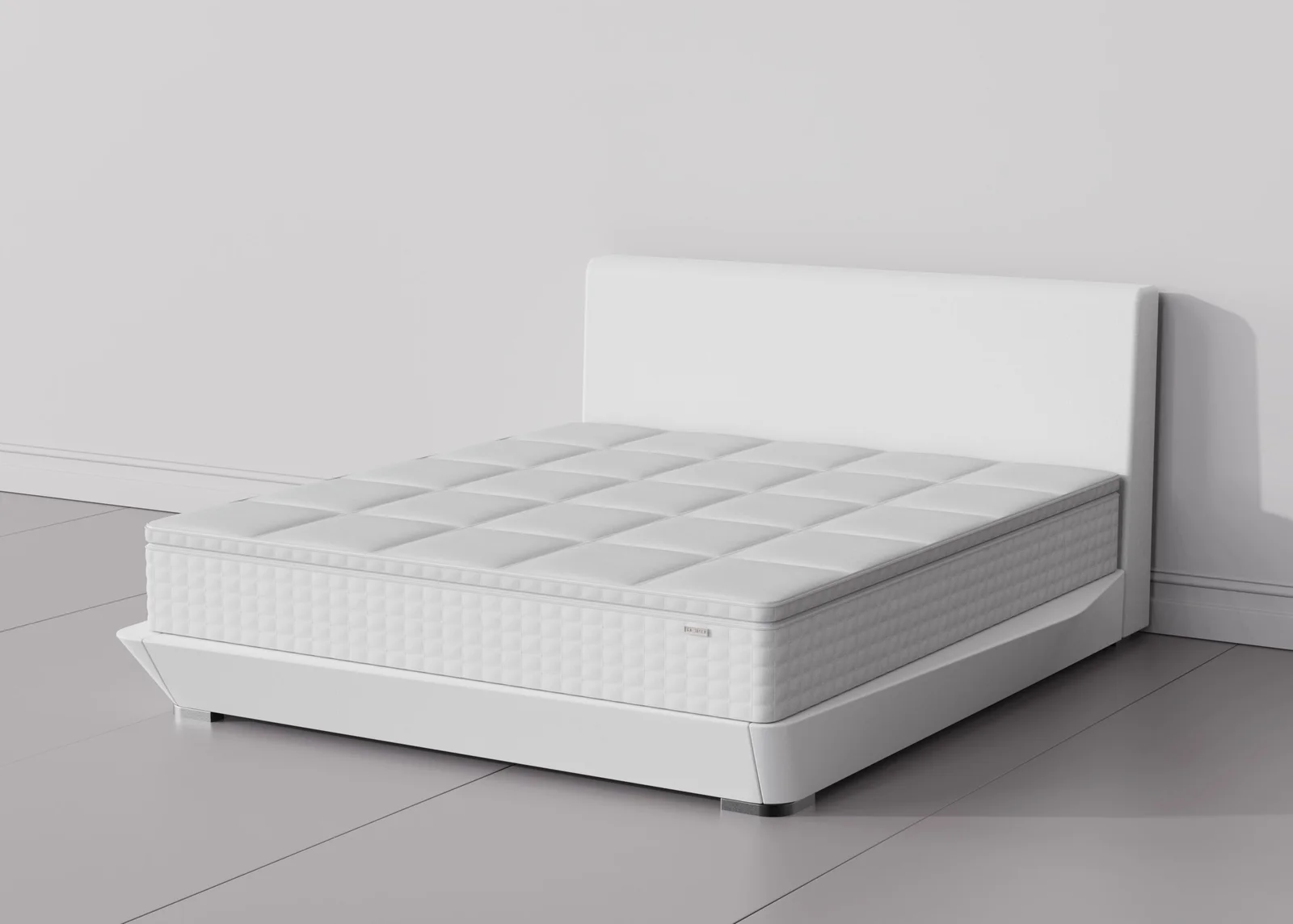
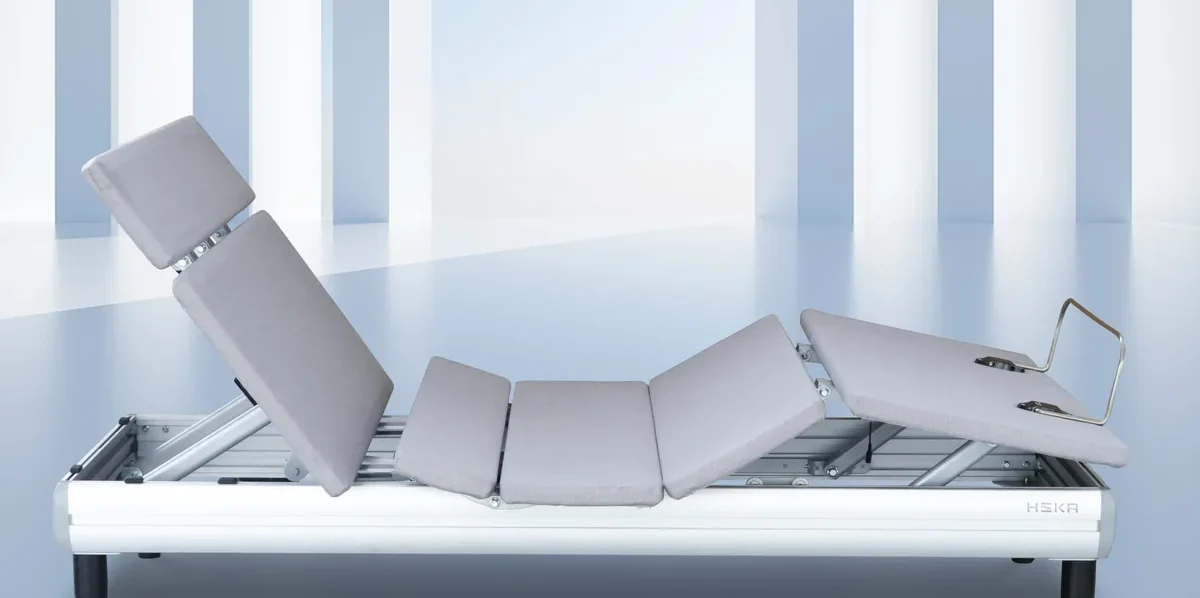
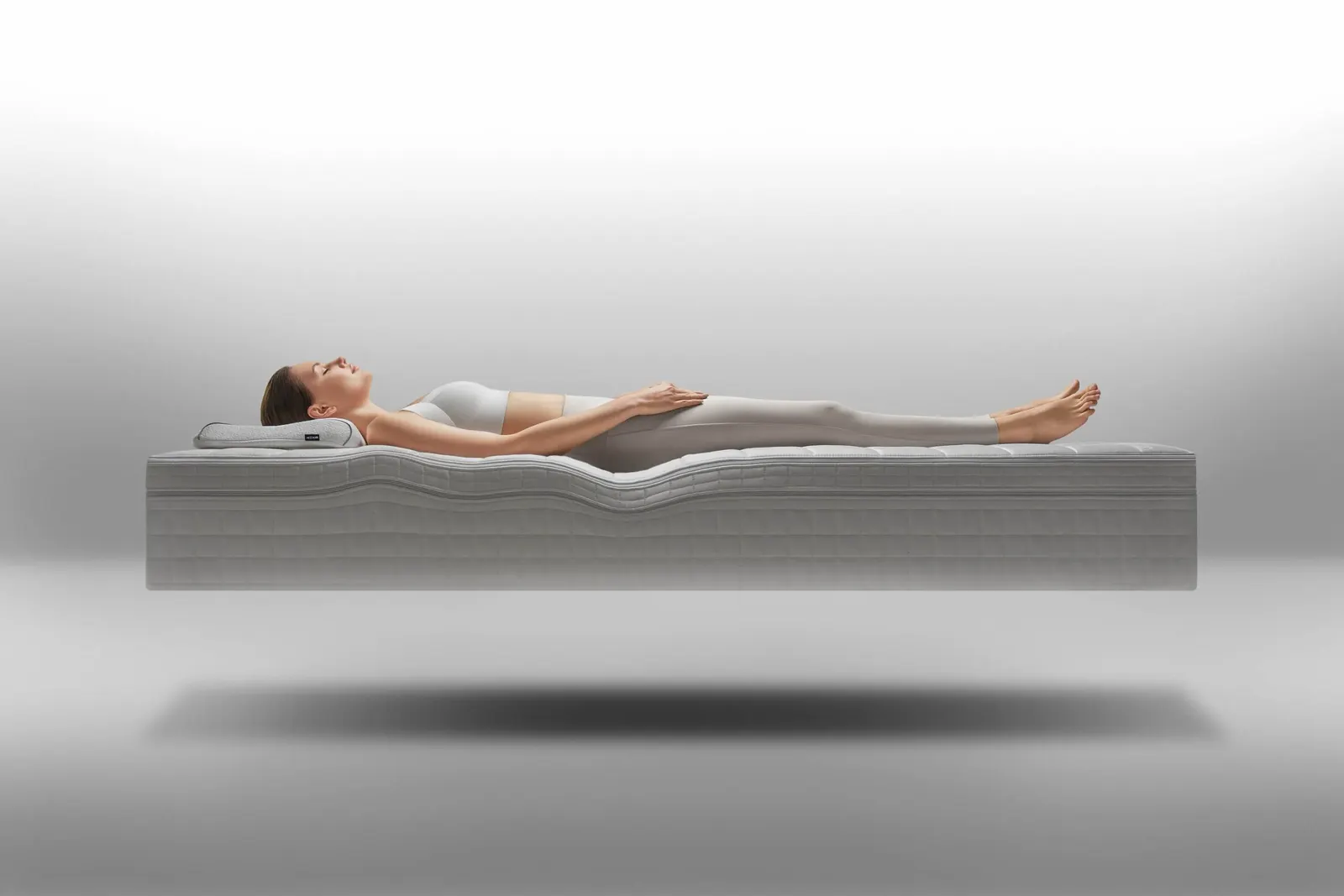
The HEKA AI Mattress works differently from any static surface because it responds to you in real time. As you move through the night, the mattress adjusts its internal pressure distribution to keep your spine in neutral alignment regardless of your position. The support gap at your lumbar spine and neck stays within 1 to 2mm, which means your postural muscles finally get to fully switch off.
When that happens, the deep sleep and REM phases your body needs can run their full course without interruption. Growth hormone is released properly. Your stress response system resets. You wake up having actually recovered, not just having passed time in bed.
This Mother’s Day, the most useful thing you can give the women in your life, or claim for yourself, is not another wellness product. It is a sleep environment that is finally built around how the female body actually works. Book a HEKA AI Sleep Pressure Test and find out exactly where your current mattress is costing you your recovery every single night.