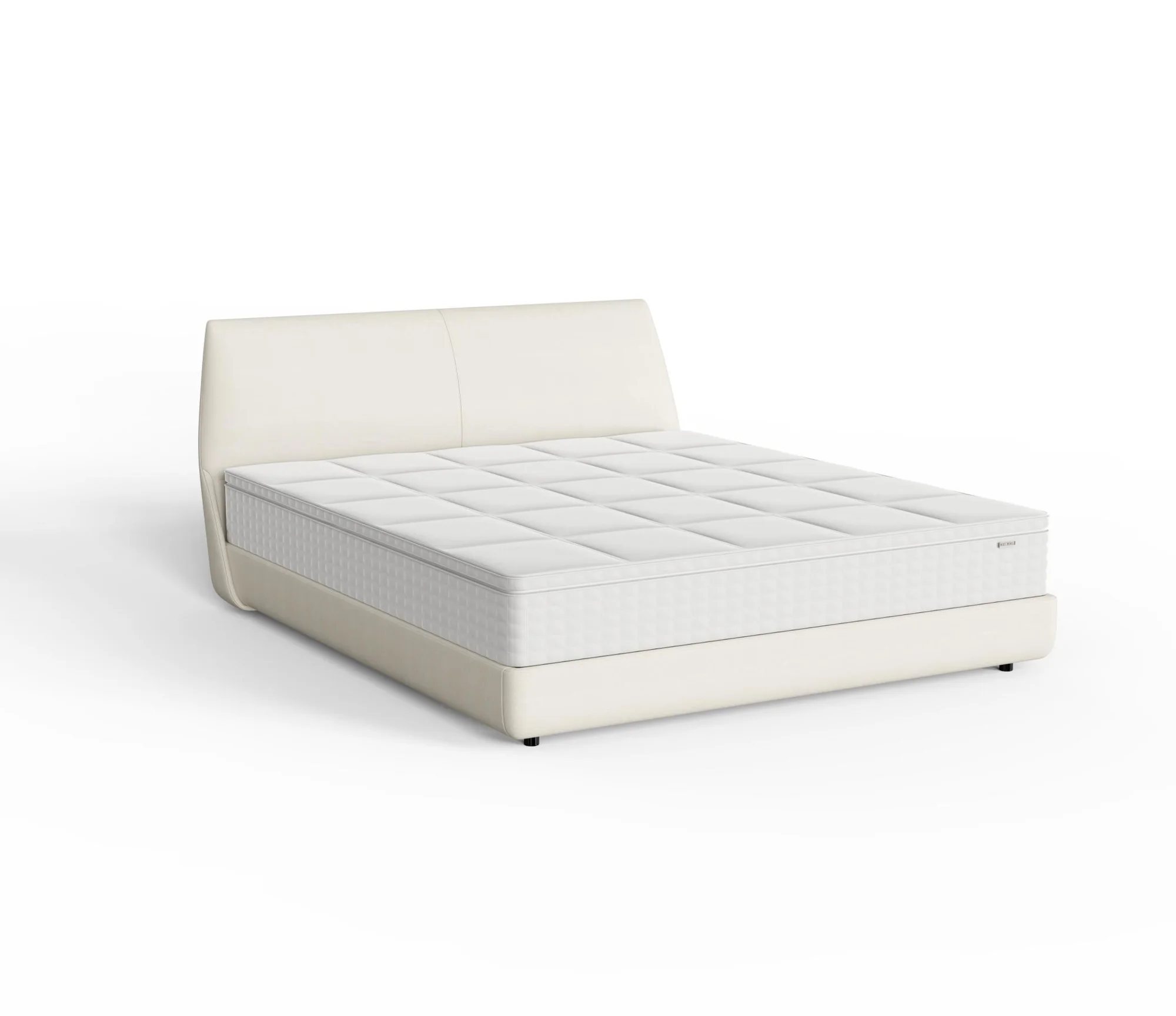
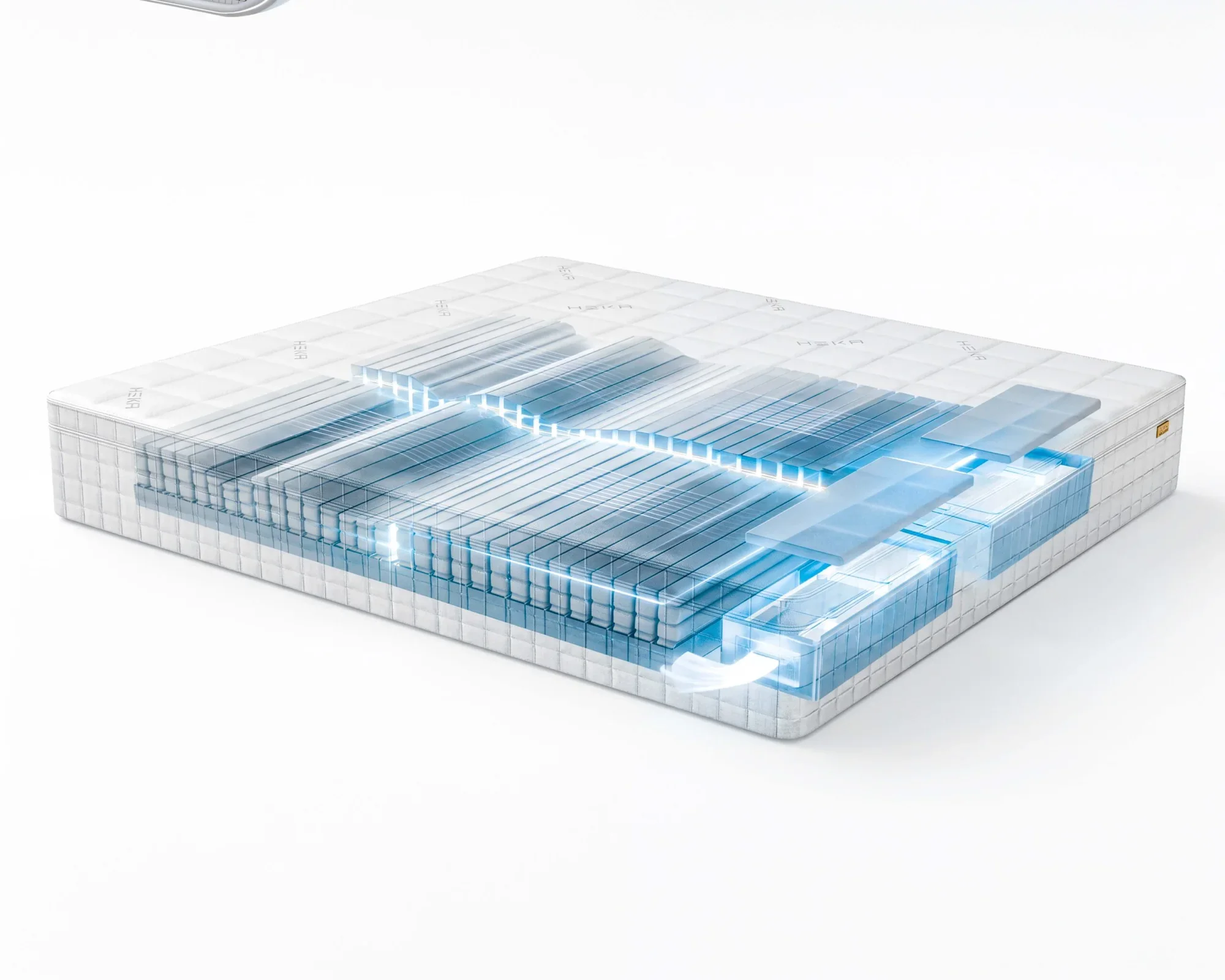
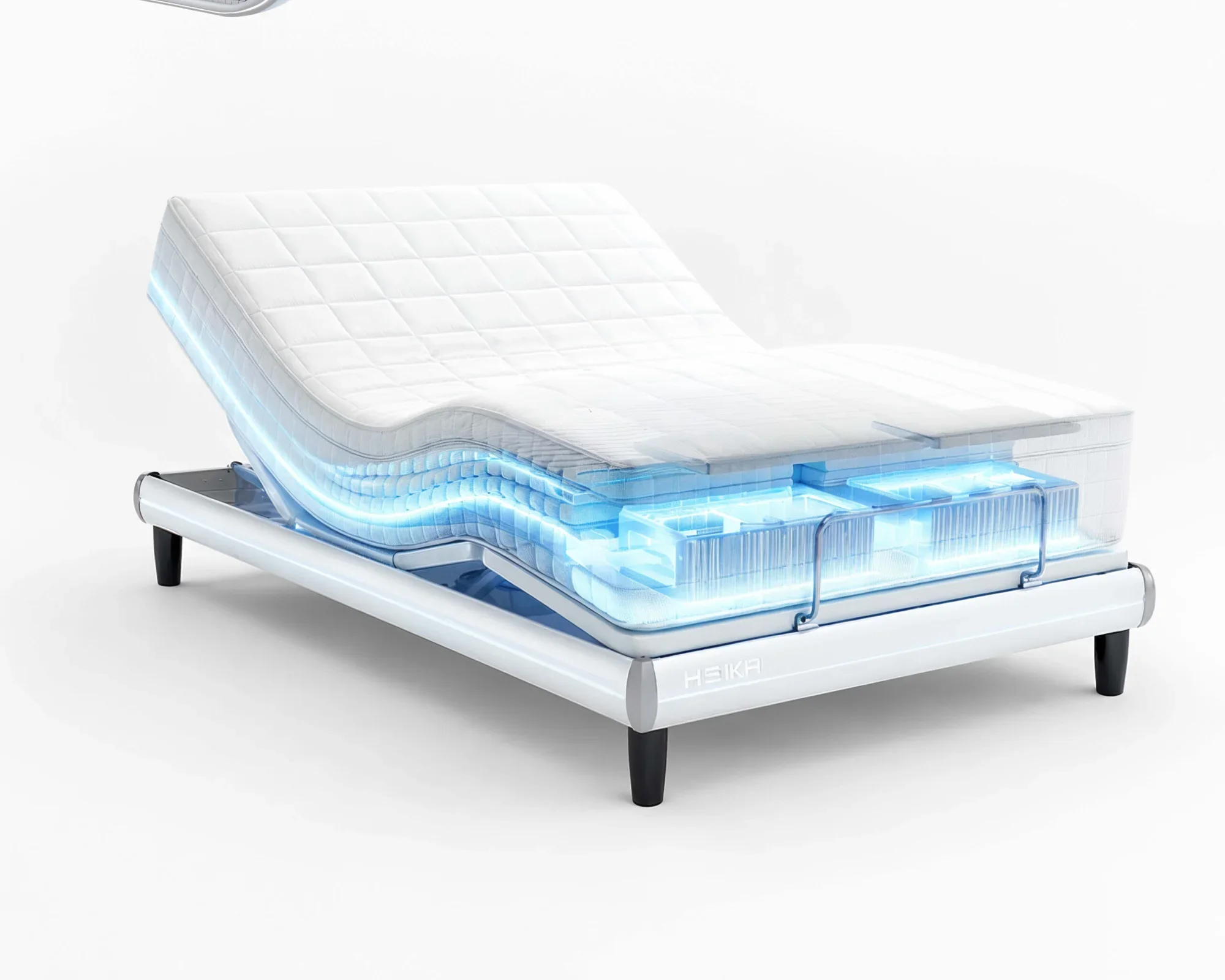
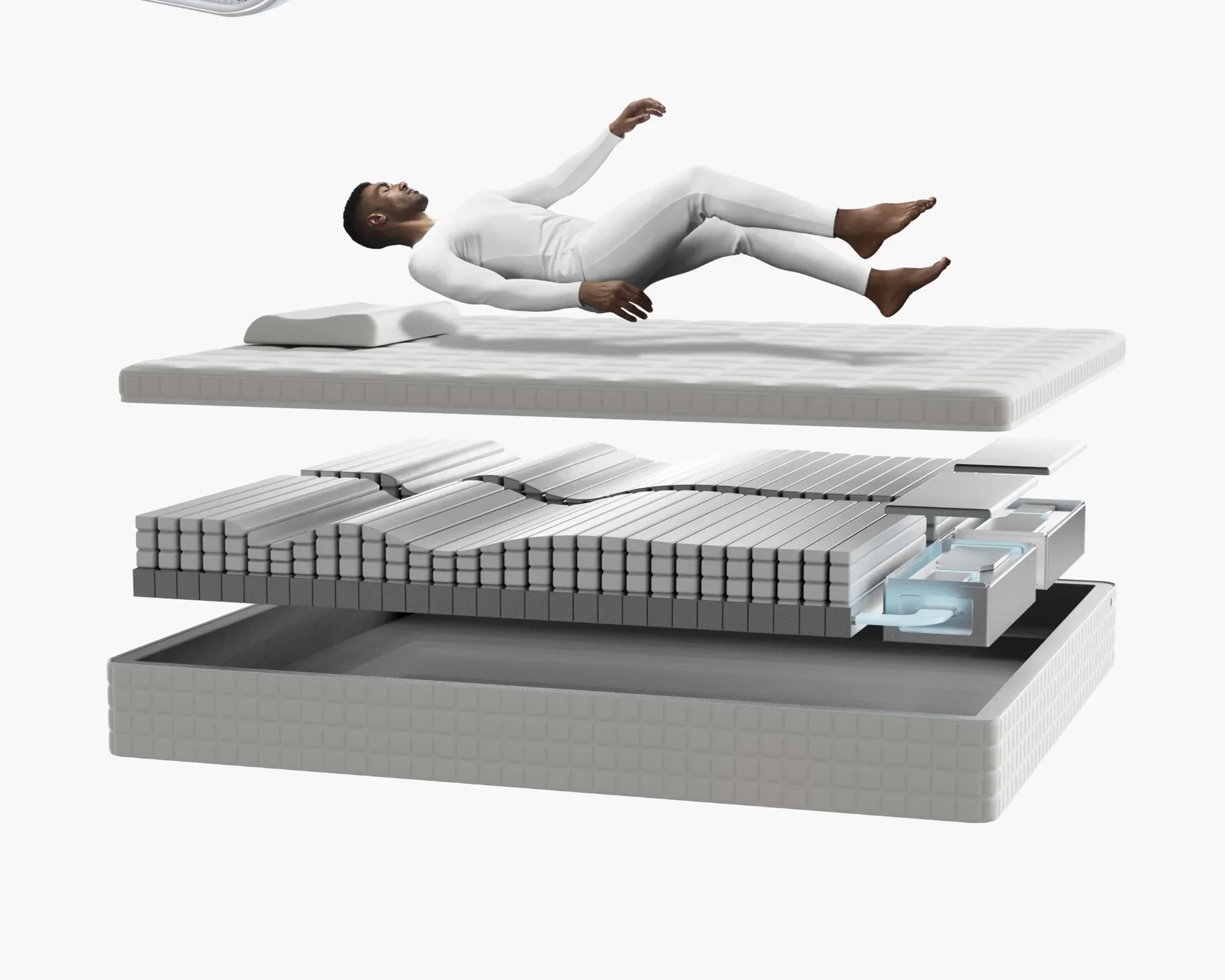
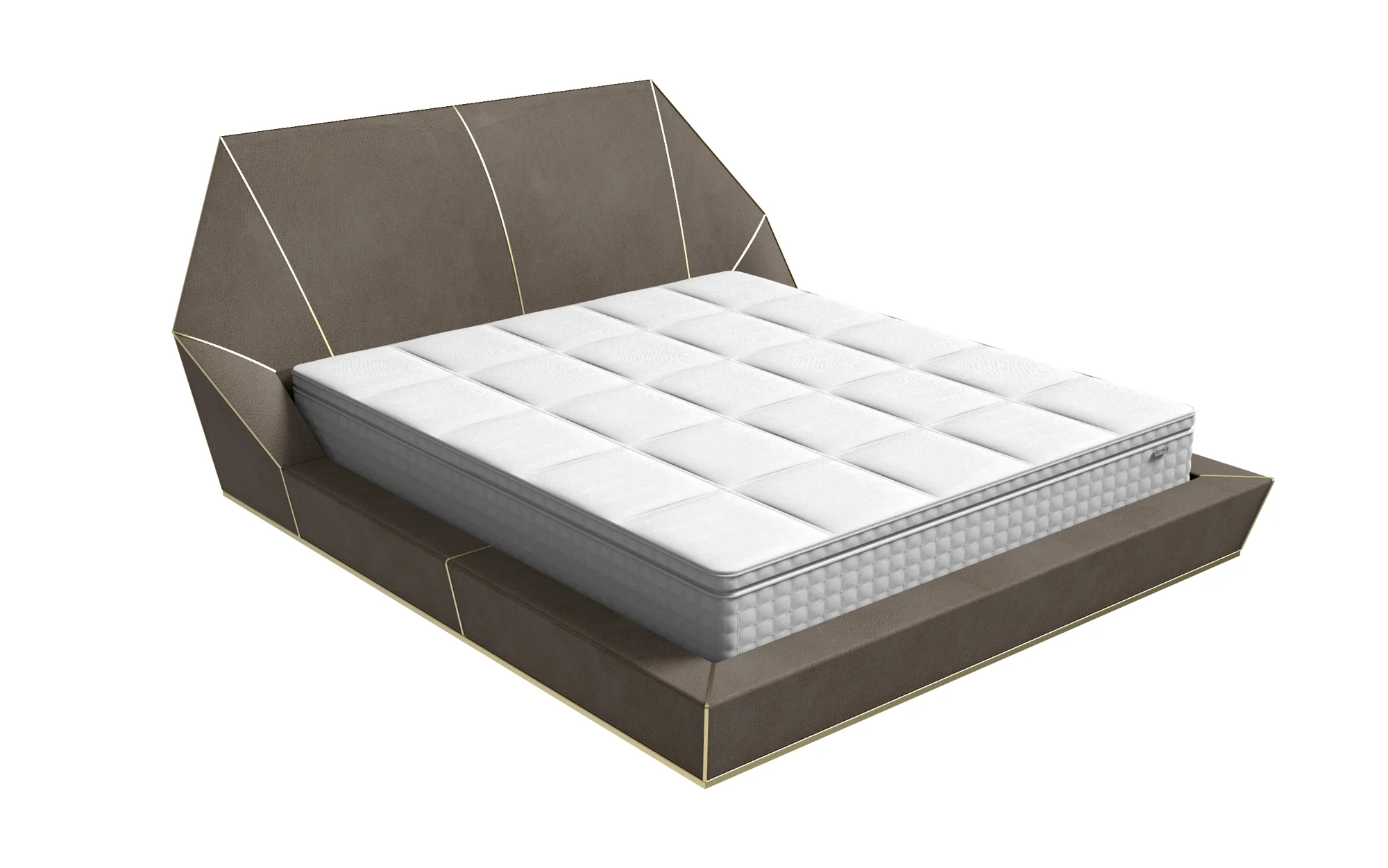
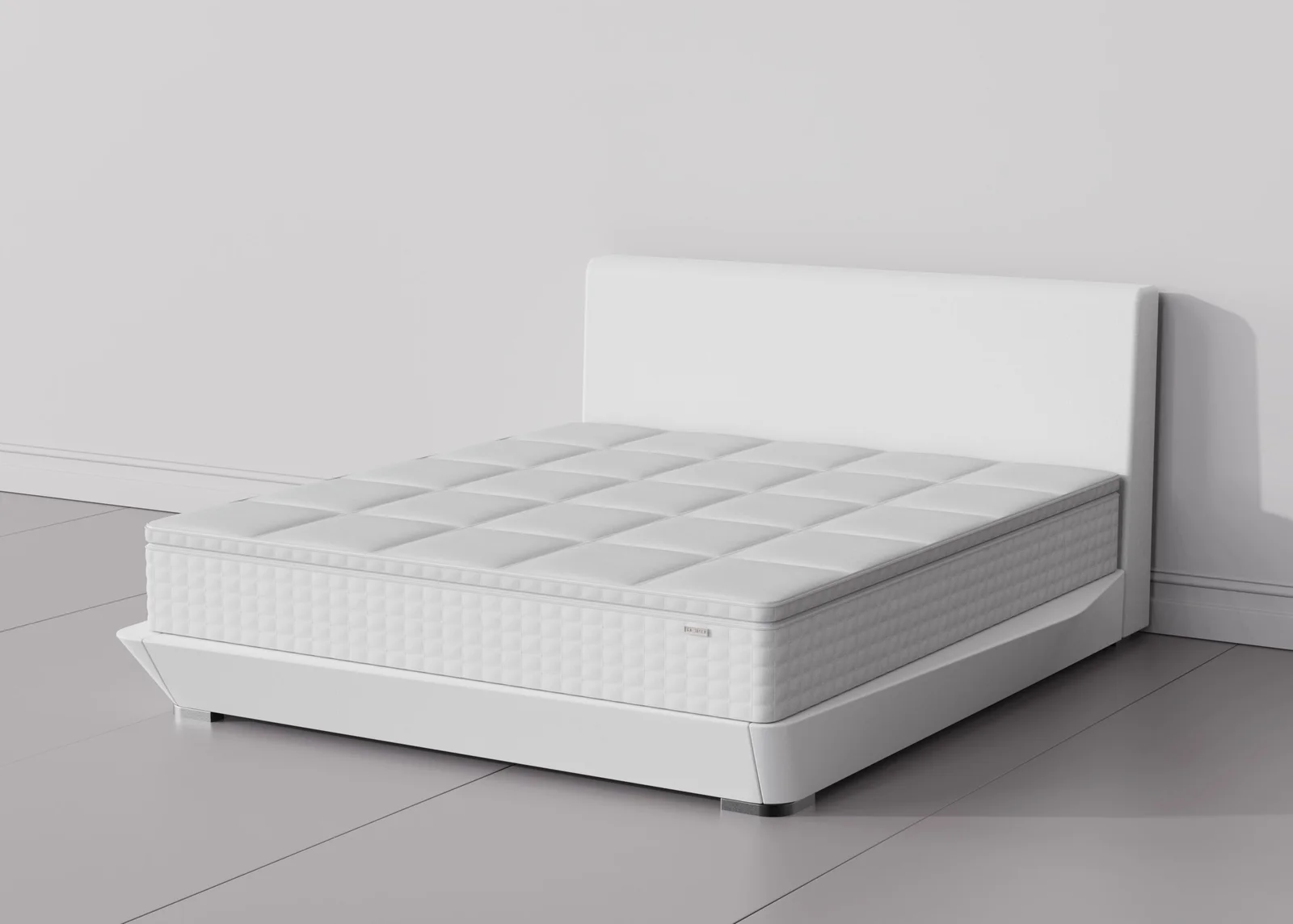

Many people judge sleep quality by the number of hours spent in bed. Yet waking up tired or stiff remains common. Often, the issue is not sleeping duration, but how well blood circulates during sleep. The Heka AI Mattress is designed to enhance blood circulation for a better sleep experience.
Understanding the importance of blood circulation during sleep goes beyond just feeling rested. It impacts overall health, recovery from daily activities, and even mental clarity. For instance, poor circulation can lead to muscle cramps and discomfort that disrupt sleep cycles.
Blood circulation plays a central role in physical recovery. Without smooth circulation, muscles struggle to relax, tissues recover less efficiently, and deep sleep becomes harder to maintain.
Consider this: when the blood flow is optimal, nutrients like oxygen reach the muscles more efficiently, promoting quicker recovery after exertion. This is particularly important for athletes or anyone who engages in physical activities regularly. In essence, the quality of sleep can significantly affect performance and daily functioning.

The Link Between Sleep and Circulation
During sleep, blood delivers oxygen and nutrients while removing metabolic waste. This process supports muscle relaxation and tissue repair.
Moreover, the removal of metabolic waste is crucial for brain health. During sleep, the brain cleanses itself of toxins that build up during the day. Good blood circulation ensures this process occurs efficiently. Research shows that inadequate sleep can lead to cognitive decline and other serious health issues, highlighting the intertwined relationship between sleep quality and circulation.
When certain areas of the body remain under pressure for too long, especially the shoulders, hips, and lower back, circulation can be restricted. The body responds by tensing or subtly repositioning, often without full awareness. Over time, this prevents the body from reaching truly restorative sleep.
To illustrate this, think about how often you change positions while sleeping. Each movement is the body’s way of optimizing circulation. If you wake up feeling stiff, it could be a sign that blood flow was restricted. Maintaining good circulation helps minimize discomfort and contributes to a more restful night.
How Traditional Mattresses Limit Circulation
Most traditional mattresses provide uniform support across the entire surface. They respond the same way regardless of body shape, posture, or pressure distribution.
Traditional mattresses often exacerbate these issues. For example, a mattress that is too firm can press into the body, creating pressure points that impede blood flow. In contrast, a mattress that is too soft might not provide adequate support, leading to poor alignment and further circulation issues. Users often report that they feel trapped or overly constrained by their mattresses, which can significantly impact sleep quality.
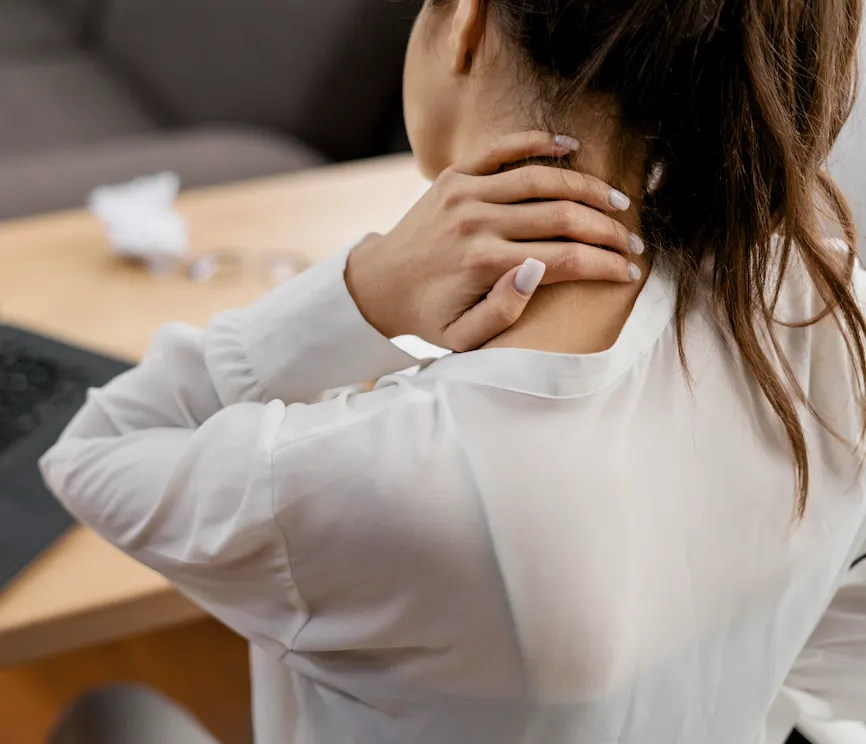
As a result, pressure tends to concentrate in heavier areas such as the shoulders and hips. Circulation in these areas may become restricted, leading to stiffness, discomfort, and frequent unconscious repositioning during the night. Even a mattress that feels comfortable at first may fail to support healthy circulation over time.
This pressure can lead to a cycle of discomfort. As a person tosses and turns to alleviate pressure, they may inadvertently wake themselves up, disrupting their sleep cycle. Studies have shown that continuous interruptions can lead to a decrease in REM sleep, which is essential for cognitive restoration and emotional health.
Why Static Support Falls Short
Foam and hybrid mattresses introduced improved contouring, but they remain static by nature. Their structure does not change as the body shifts throughout the night.
Additionally, the static nature of foam and hybrid mattresses means they can’t adapt to individual sleeping patterns over time. For example, a side sleeper may require more cushioning to accommodate shoulder width, while a back sleeper may need firmer support for the lumbar region. The inability of these mattresses to adjust can lead to chronic discomfort and reduced sleep quality.
Meanwhile, the body is constantly adjusting. Weight distribution, muscle tension, and sleep posture evolve from moment to moment. When support remains fixed, the body must compensate. This often reduces circulation efficiency and limits overnight recovery.
This is further compounded by the fact that many people are unaware of how their sleeping posture affects circulation. For instance, sleeping with an arm under a pillow can compress nerves and restrict blood flow, leading to numbness. A mattress that adapts to the sleeper’s changing posture throughout the night can mitigate these issues.
How the HEKA AI Mattress Supports Circulation
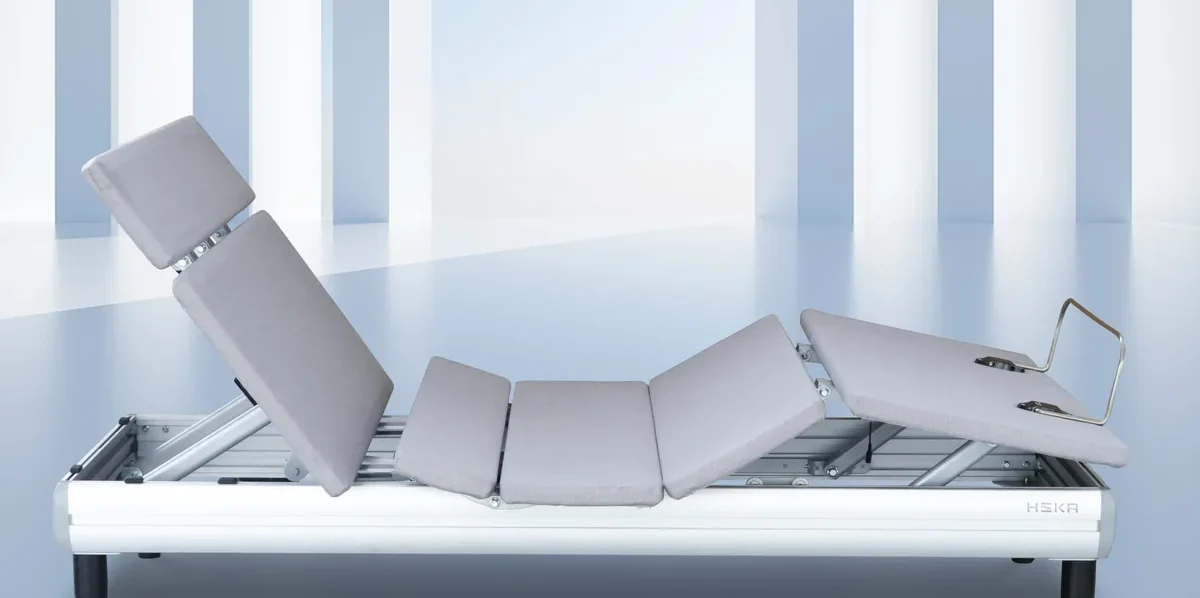
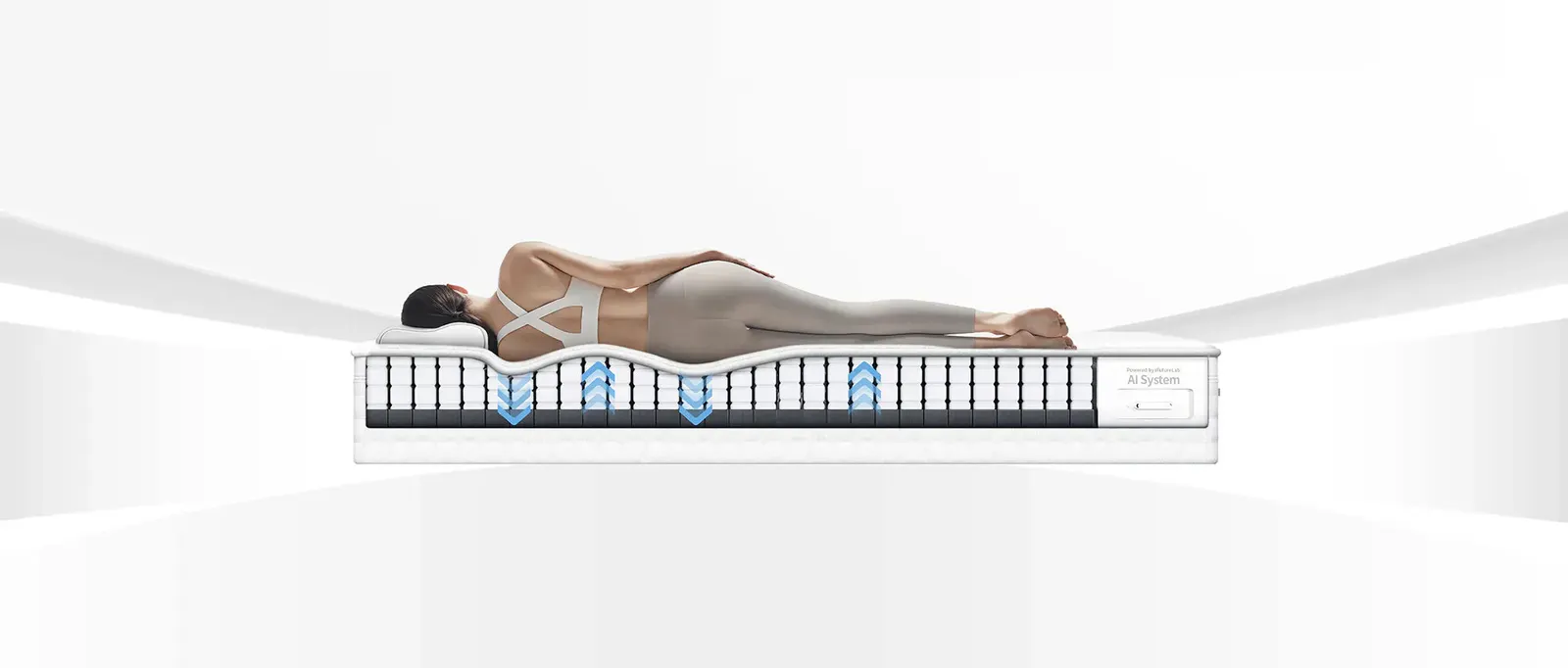
The HEKA AI Mattress takes a more responsive approach. Instead of offering a fixed firmness level, it continuously monitors pressure distribution and sleep posture.
The HEKA AI Mattress not only adapts to pressure but also learns from sleep patterns over time. This means it can provide personalized support that evolves with the user. For example, if a user consistently shifts to their side, the mattress will gradually enhance support in that area to prevent discomfort. This dynamic response can significantly improve both sleep quality and recovery.
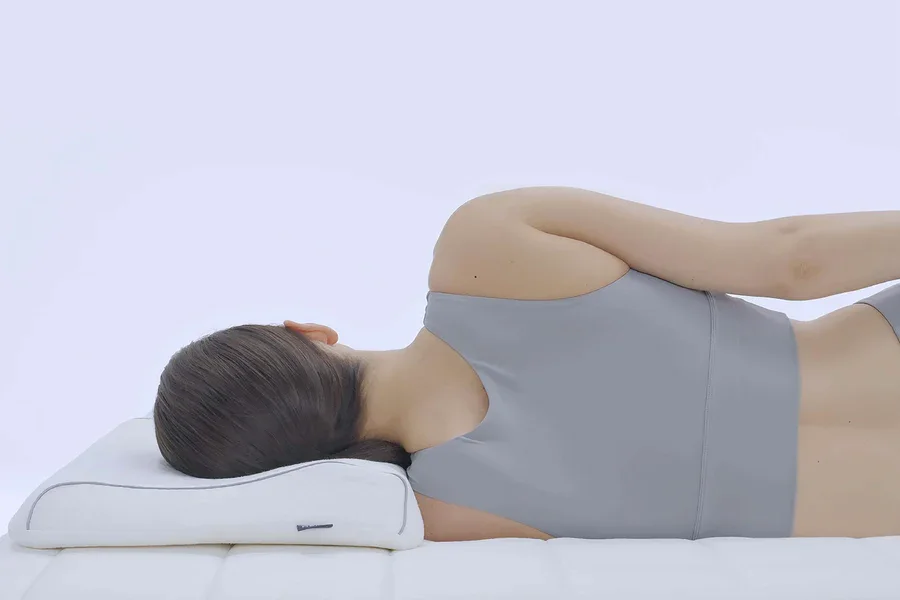
When side sleeping increases pressure in the shoulder or hip, the mattress gently adapts to reduce compression. When lying on the back, lumbar support becomes more structured to help maintain alignment. These adjustments occur gradually and quietly, allowing circulation to remain more balanced without interrupting sleep.
Moreover, these adjustments are subtle enough to keep the sleeper undisturbed, which is essential for maintaining deep sleep. When the body is properly supported, sleep becomes restorative rather than a constant battle against discomfort. This is crucial for those with demanding lifestyles or anyone who wishes to optimize their sleep environment.
What Users Often Notice
Over time, many users describe subtle but meaningful changes. Morning stiffness becomes less pronounced, numbness caused by pressure decreases, and nighttime awakenings become less frequent. Sleep feels deeper and recovery feels more complete, not because the body is being forced into a position, but because it is no longer working against prolonged pressure.
Additionally, users report improved mood and energy levels throughout the day. The relationship between quality sleep and mental health is well-documented; those who sleep better often experience fewer mood swings and lower levels of anxiety. By fostering better blood circulation, the HEKA AI Mattress can indirectly contribute to emotional well-being.

Rethinking Sleep Comfort
True comfort is not defined by softness or firmness. It comes from allowing the body to rest without resistance. When circulation flows freely, recovery follows naturally.
Recognizing this, it’s essential to prioritize not just the feeling of comfort but also how a mattress supports overall health. Creating a sleep environment that fosters good circulation can lead to more meaningful rest and, ultimately, a healthier lifestyle. Investing in a mattress like the HEKA AI can be a step towards achieving that goal.
When circulation flows freely, recovery follows naturally. Sleep becomes deeper when the body is properly supported.