

We spend a lot of time and money protecting our health for the long term. We take supplements, get regular check-ups, watch what we eat, and try to stay active. But most people are completely ignoring one of the biggest factors in how their body holds up over decades: what happens to their Spinal Health during the eight hours they spend in bed every night.
Spinal deterioration is slow and quiet. It does not announce itself until something hurts badly enough to force you to pay attention. By then, a lot of the damage has already accumulated over years. And in most cases, the mattress was making it worse the whole time.
This month, with Mother’s Day as a reminder to think about the long-term wellbeing of the women we care about, it is worth talking honestly about why women are particularly vulnerable to spinal decline, and what actually needs to change.
Why the Spine Needs Sleep to Survive
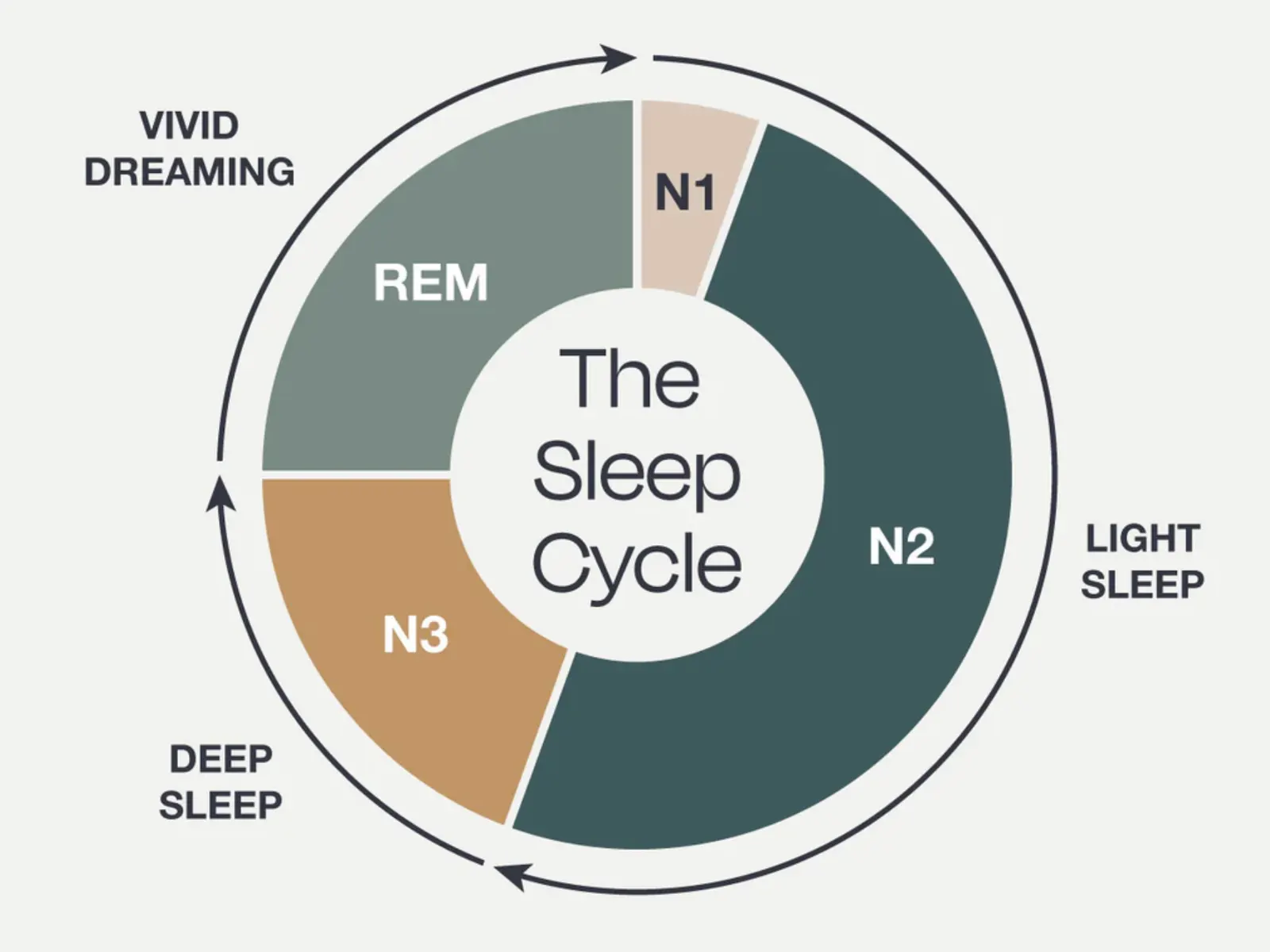
Your spinal discs, the cushioning layers between each vertebra, do not have their own blood supply. They cannot feed themselves the way most tissue in your body can. Instead, they rely on a process called imbibition. During the day, gravity compresses the discs. At night, when you lie down and that pressure is released, fluid is drawn back in, carrying nutrients and flushing out waste. It is the disc’s only real window for recovery, and it happens while you sleep.
If your spine is not properly aligned during that time, the process does not work as it should. A support gap at the lower back, or a slight lateral curve caused by uneven pressure from your mattress, means the discs are not fully decompressing. Night after night, year after year, this adds up. It is one of the main reasons disc degeneration and loss of height in the spine are so common, and it has far less to do with age or genetics than most people assume.

Why Women Face a Higher Risk
Women are statistically more likely to experience spinal degeneration over their lifetime than men, and there are three clear reasons why.
The first is anatomical. The female pelvis is wider, which means the lumbar spine naturally curves more sharply inward. When a mattress does not adequately fill the space beneath that curve, the lower back either collapses into the surface or bridges across it with no real support underneath. Neither position gives the discs the neutral, pressure-free environment they need to recover overnight.
The second is hormonal. Estrogen helps protect bone density and keeps ligaments and tendons strong and resilient. As estrogen levels drop during perimenopause and menopause, the connective tissue supporting the spine loses some of that protection. The discs and joints have to work harder, and they become more sensitive to the quality of support they receive at night.
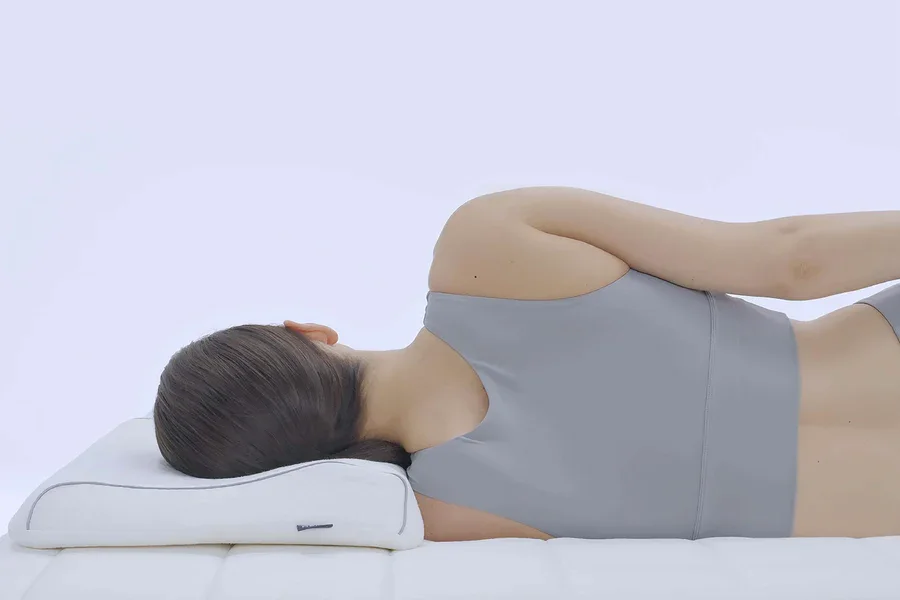
The third is the way women tend to carry daily stress. Whether it is hours at a desk, extended time on devices, or the physical and mental weight of caregiving, women disproportionately accumulate tension in the neck, upper back, and shoulders. By the time the head hits the pillow, the cervical spine is already tight and sensitized. A mattress that does not properly cradle the natural curve of the neck is adding mechanical strain to tissue that has already been working all day.
Why a Static Mattress Cannot Solve This
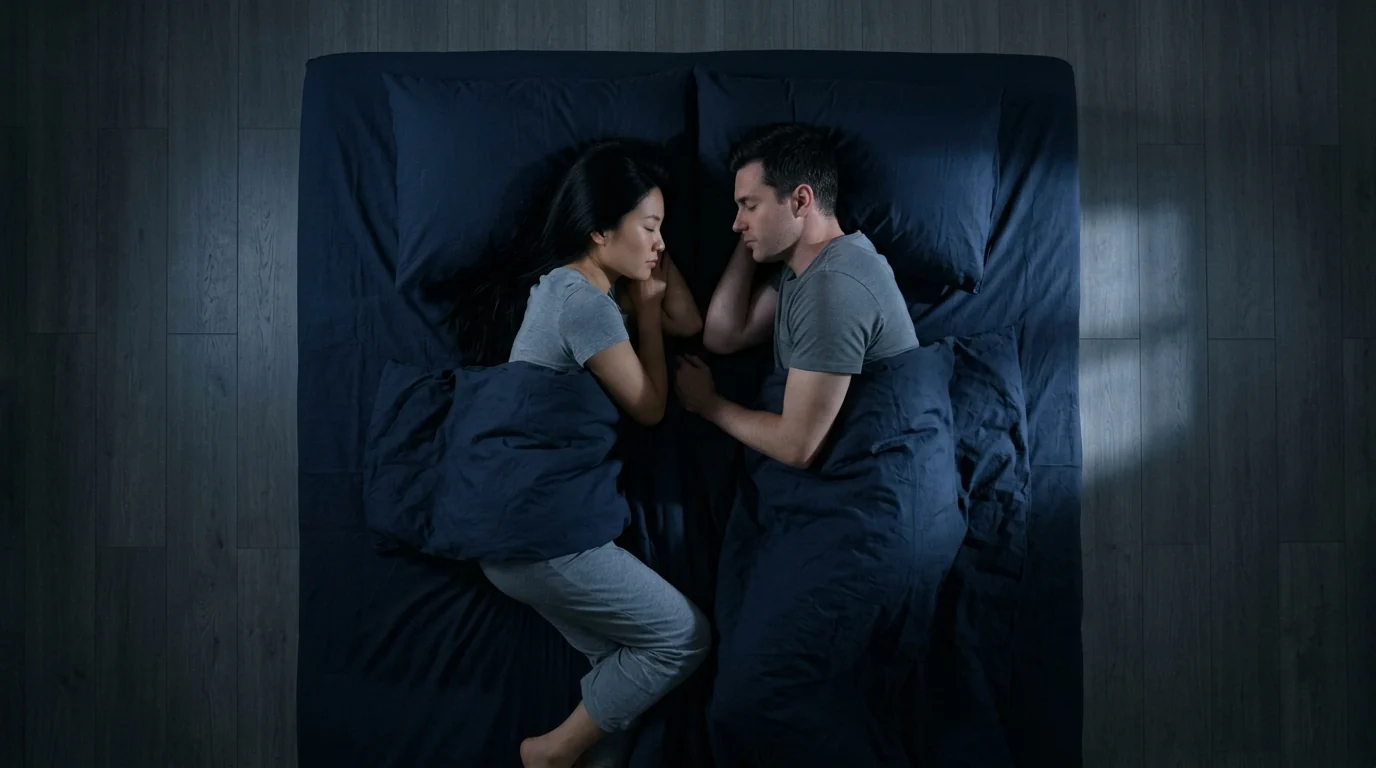
The fundamental problem with every standard mattress, whether it is firm, soft, foam, or spring, is that it is fixed. It can be optimized for one body type, in one position, at one moment. The second you shift onto your side, or roll from your back, the support equation changes completely. The gap between your body and the surface widens, your muscles step in to compensate, and the disc recovery process is interrupted.
This is not a matter of finding the right firmness. It is a structural limitation of static materials. No amount of pillow-top or memory foam layer can change the fact that a surface that cannot move cannot truly support a body that does.

How HEKA AI Changes the Equation
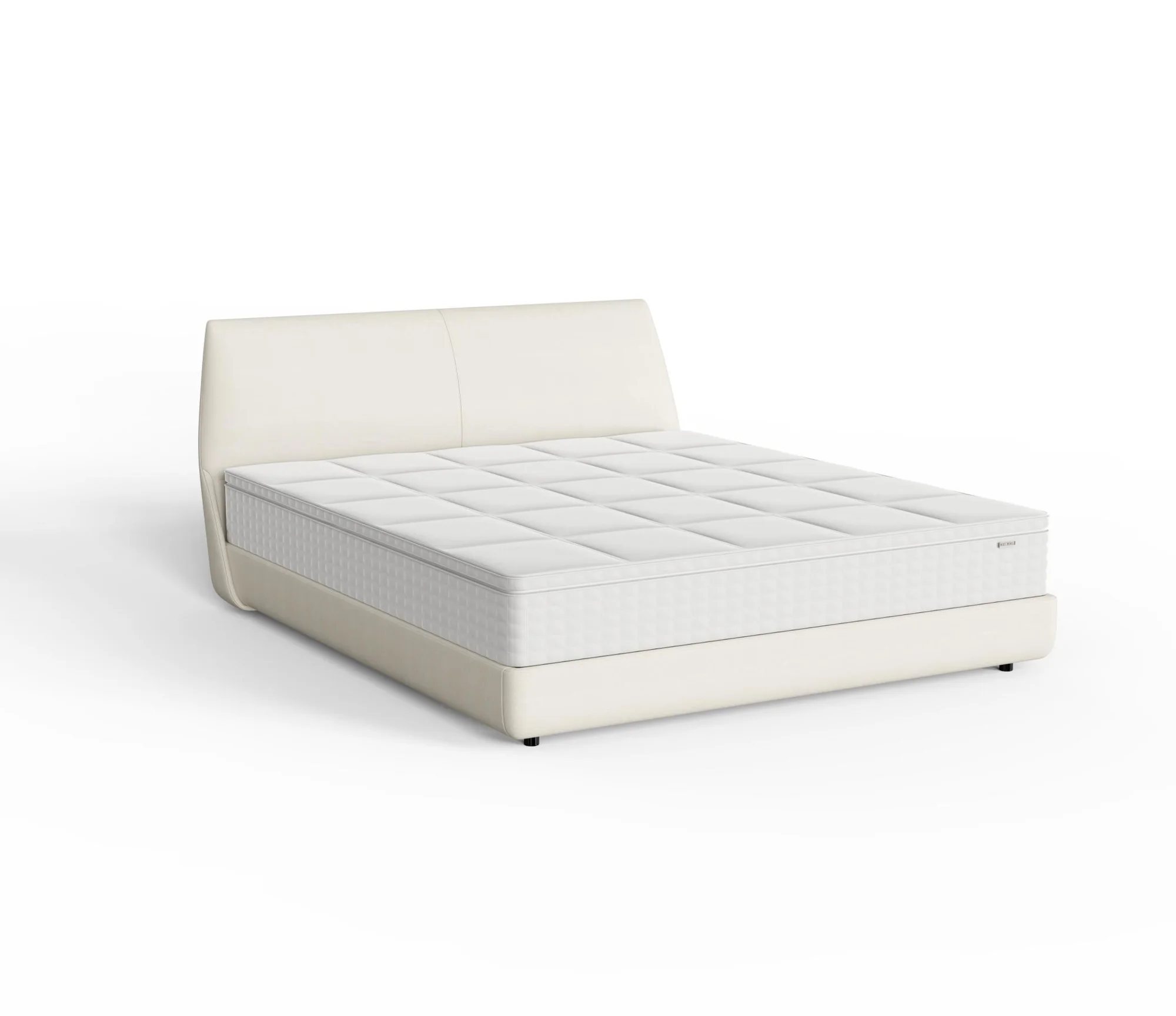
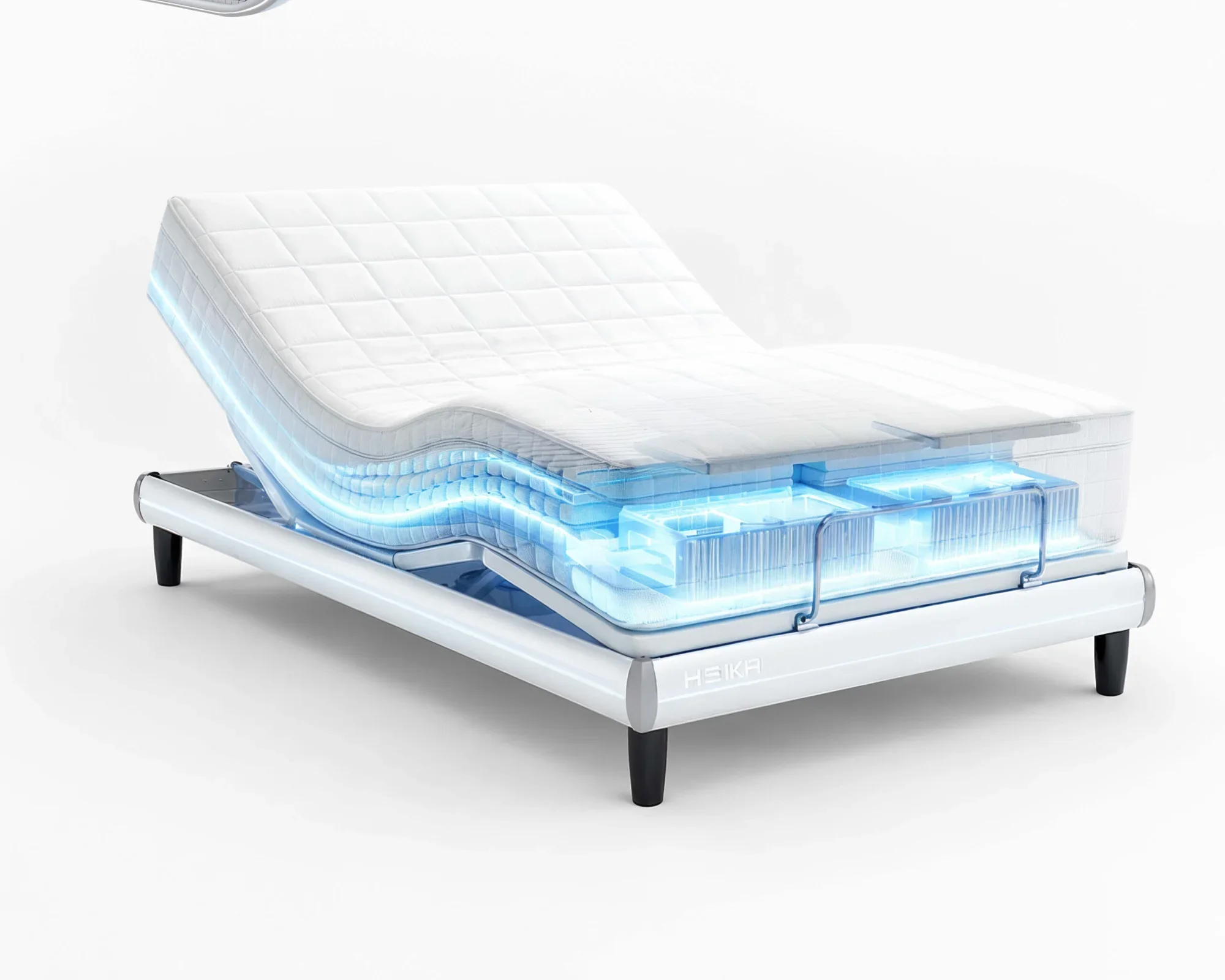
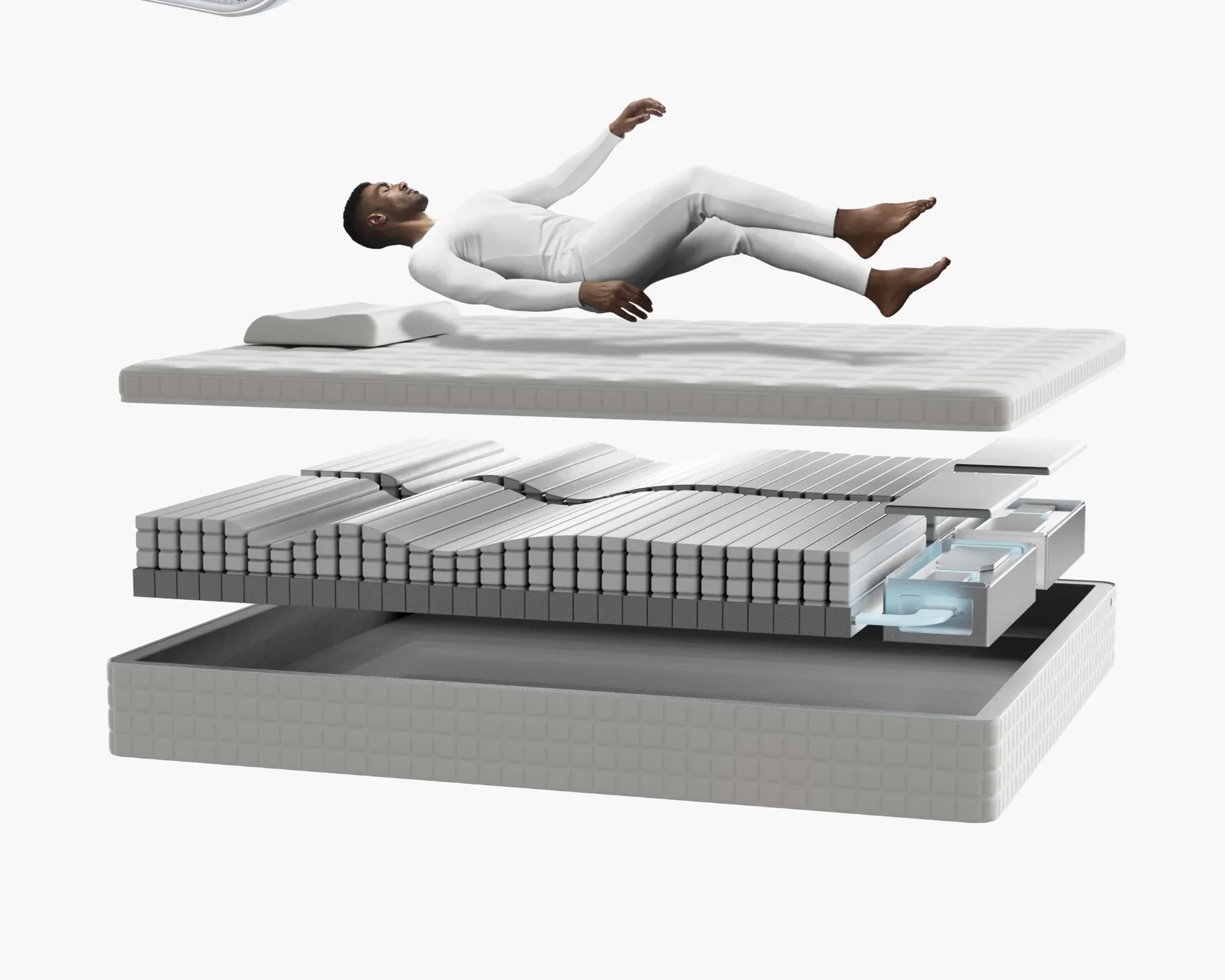
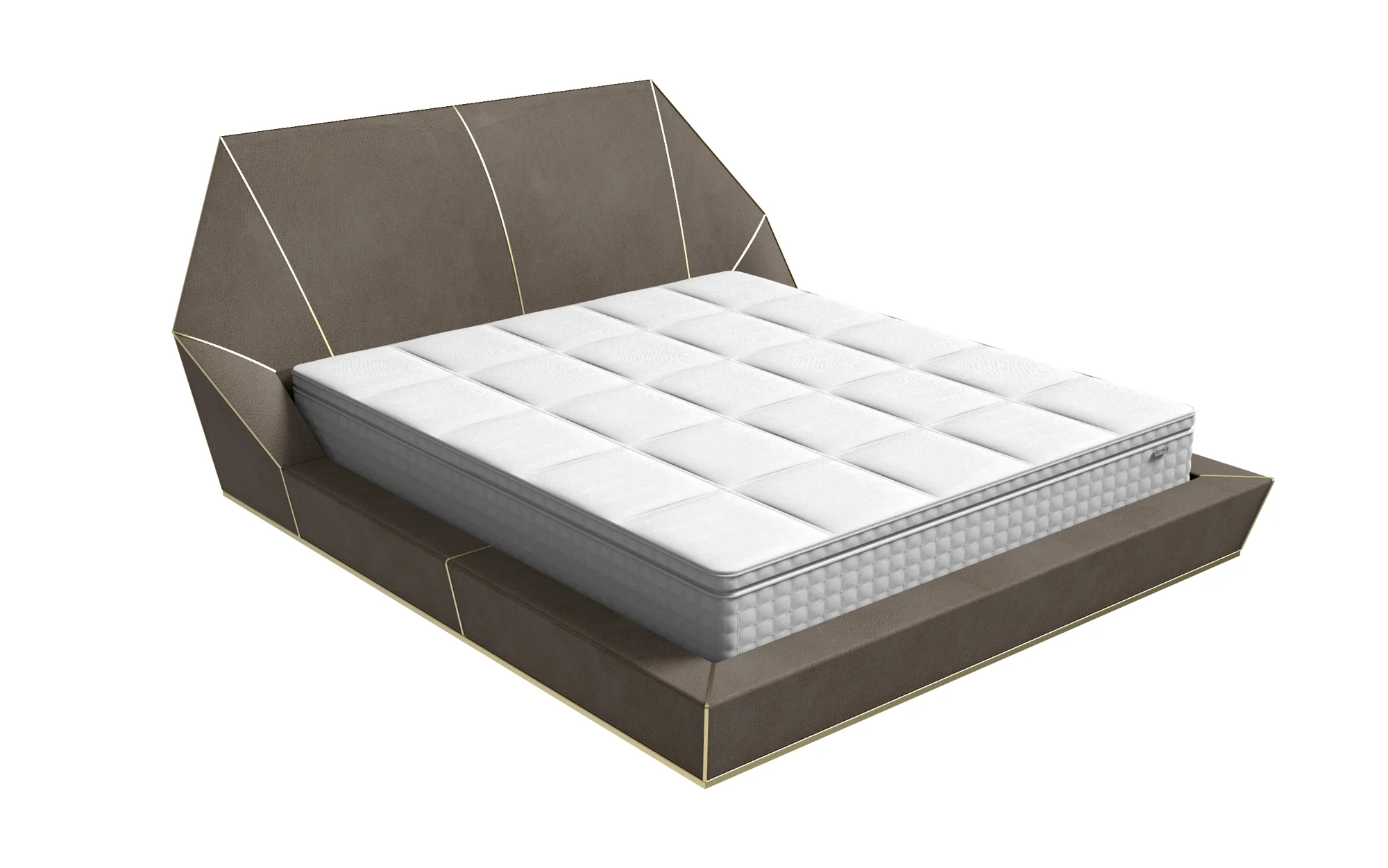
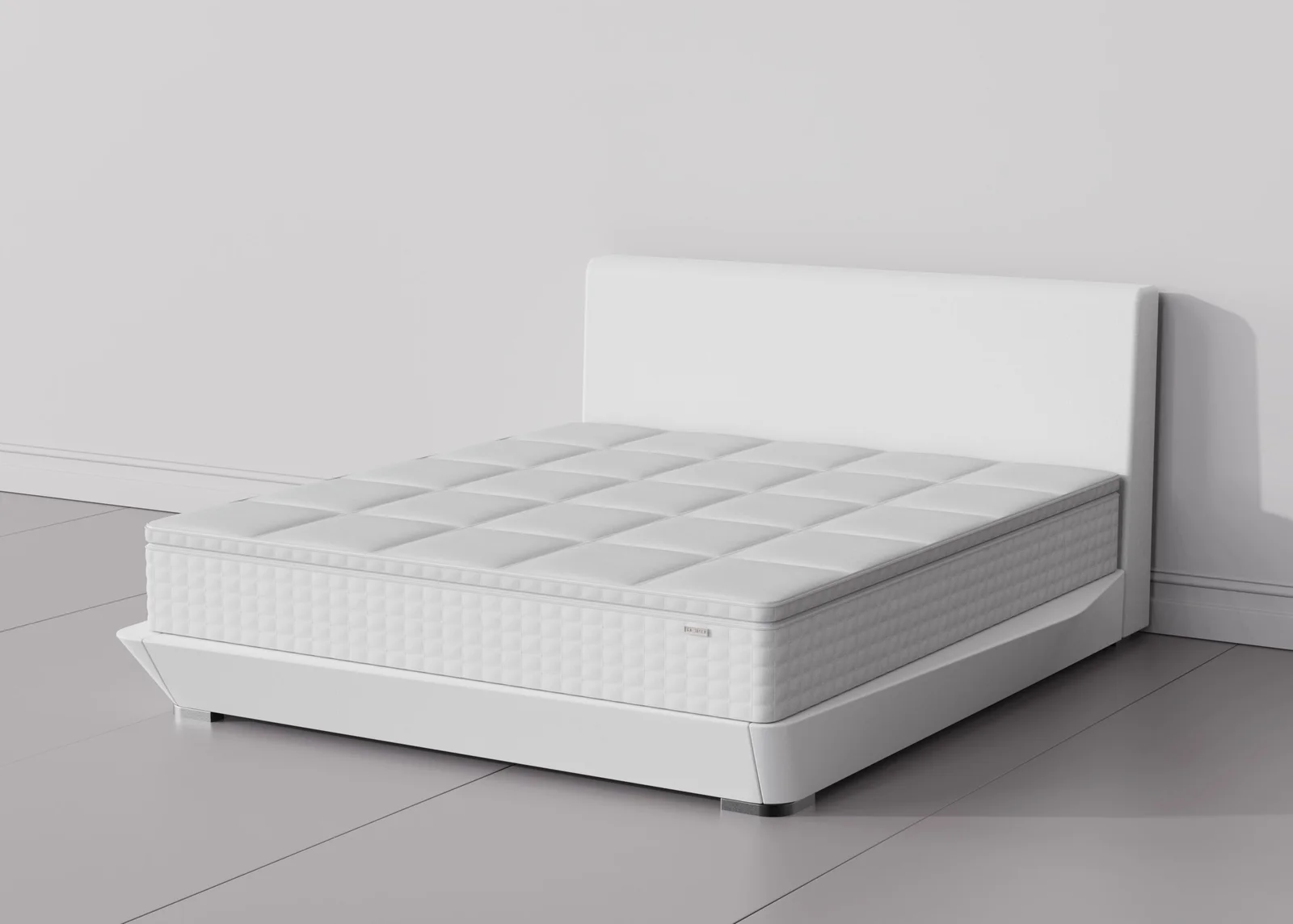
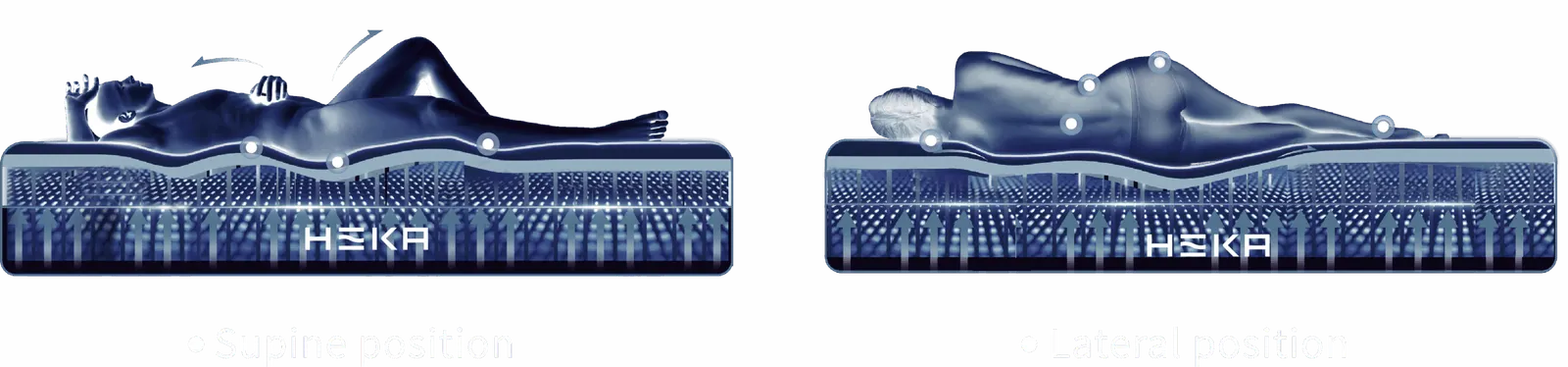
The HEKA AI Mattress treats spinal support as a dynamic problem that requires a dynamic solution. Its real-time sensing system detects every postural shift and adjusts internal pressure distribution within milliseconds to maintain a support gap of just 1 to 2mm across all sleeping positions. Back sleeper, side sleeper, or someone who moves constantly through the night, the surface continuously adapts to keep the spine in genuine neutral alignment.
The results are measurable. When the body is properly supported and the postural muscles can fully let go, average nightly positional shifts drop from over 30 to fewer than 10. The discs complete their recovery cycle undisturbed. The muscles around the cervical and lumbar spine decompress rather than simply trading one form of tension for another.
The Investment That Compounds Over Time
Everything you do during the day to protect your health and mobility only holds if your body is actually recovering at night. For women managing the physical demands of midlife and the decades beyond, how well the spine is supported during sleep is not a comfort preference. It is a decision that plays out in your posture, your pain levels, and your quality of movement for years to come.