
Is Falling Asleep Fast a Sign of Health?
Many people assume that falling asleep quickly is a sign of good sleep. In modern life, drifting off within minutes feels efficient, even healthy. Yet sleep medicine often interprets very rapid sleep onset—typically under five minutes—as a signal of accumulated sleep debt, chronic fatigue, or autonomic overload. The body is not demonstrating balance; it is responding to depletion.
This distinction is crucial. Falling asleep quickly reflects how exhausted the system is, not how well it will recover. When the nervous system has been under prolonged strain, it tends to shut down abruptly, similar to a device entering emergency power-saving mode. True sleep quality is not defined by speed, but by how effectively the body transitions into restorative sleep.

The Stages of Restorative Sleep
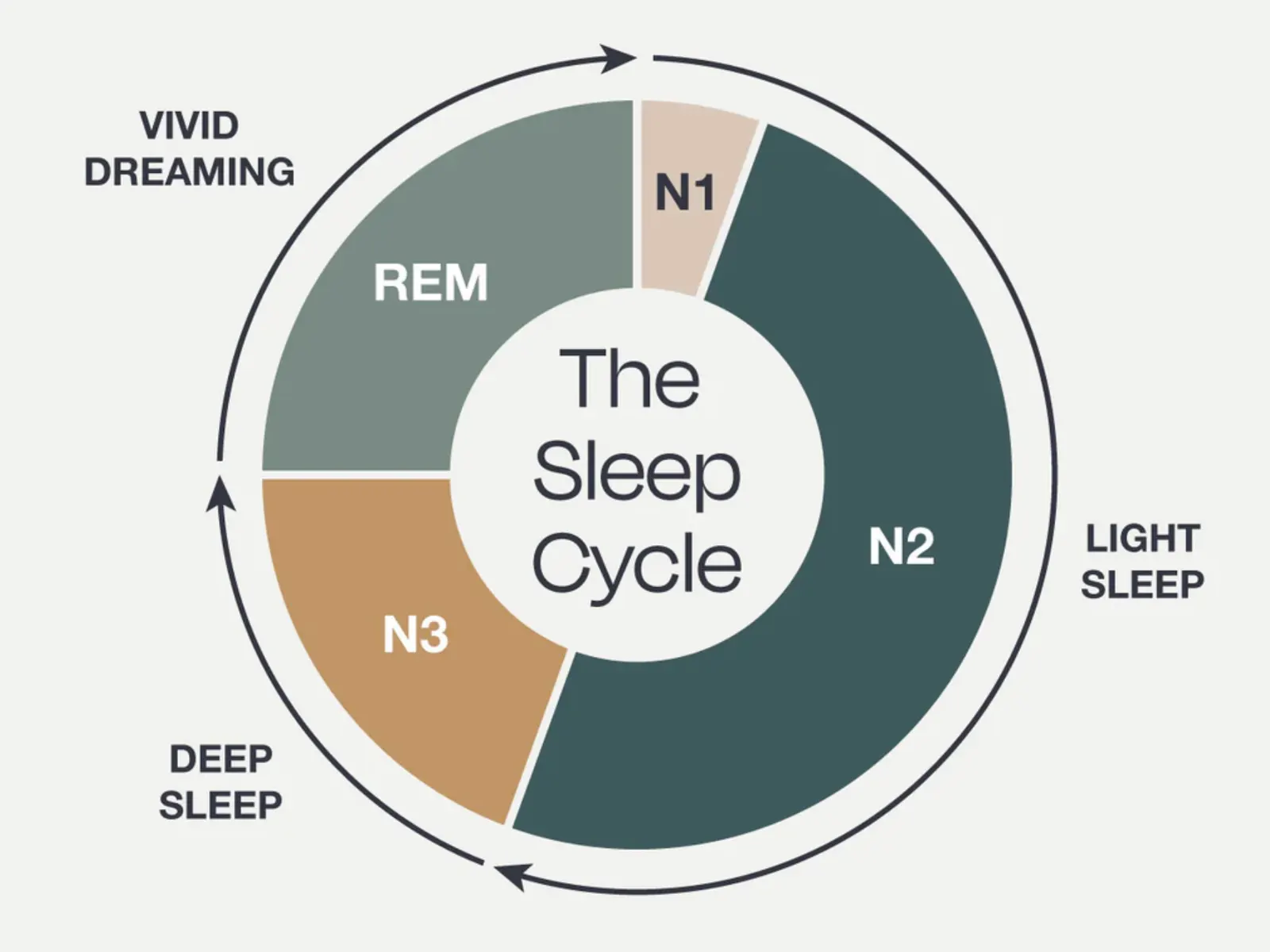
Restorative sleep unfolds through structured stages: Light Sleep, Deep Sleep (Slow-Wave Sleep), and REM. Each stage plays a specific biological role. Light Sleep initiates disengagement from external stimuli. Deep Sleep drives tissue repair, immune regulation, hormonal balance, and metabolic recovery. REM sleep supports cognitive processing, emotional regulation, and memory consolidation.
However, this progression depends on the body’s ability to downshift smoothly. When sleep begins under excessive fatigue, physiological arousal often remains elevated. Heart rate stays higher than optimal, muscle tone does not fully release, and stress hormones decline more slowly. As a result, entry into Deep Sleep is delayed or shortened, compressing the most restorative phase of the night—even when total sleep time appears sufficient.
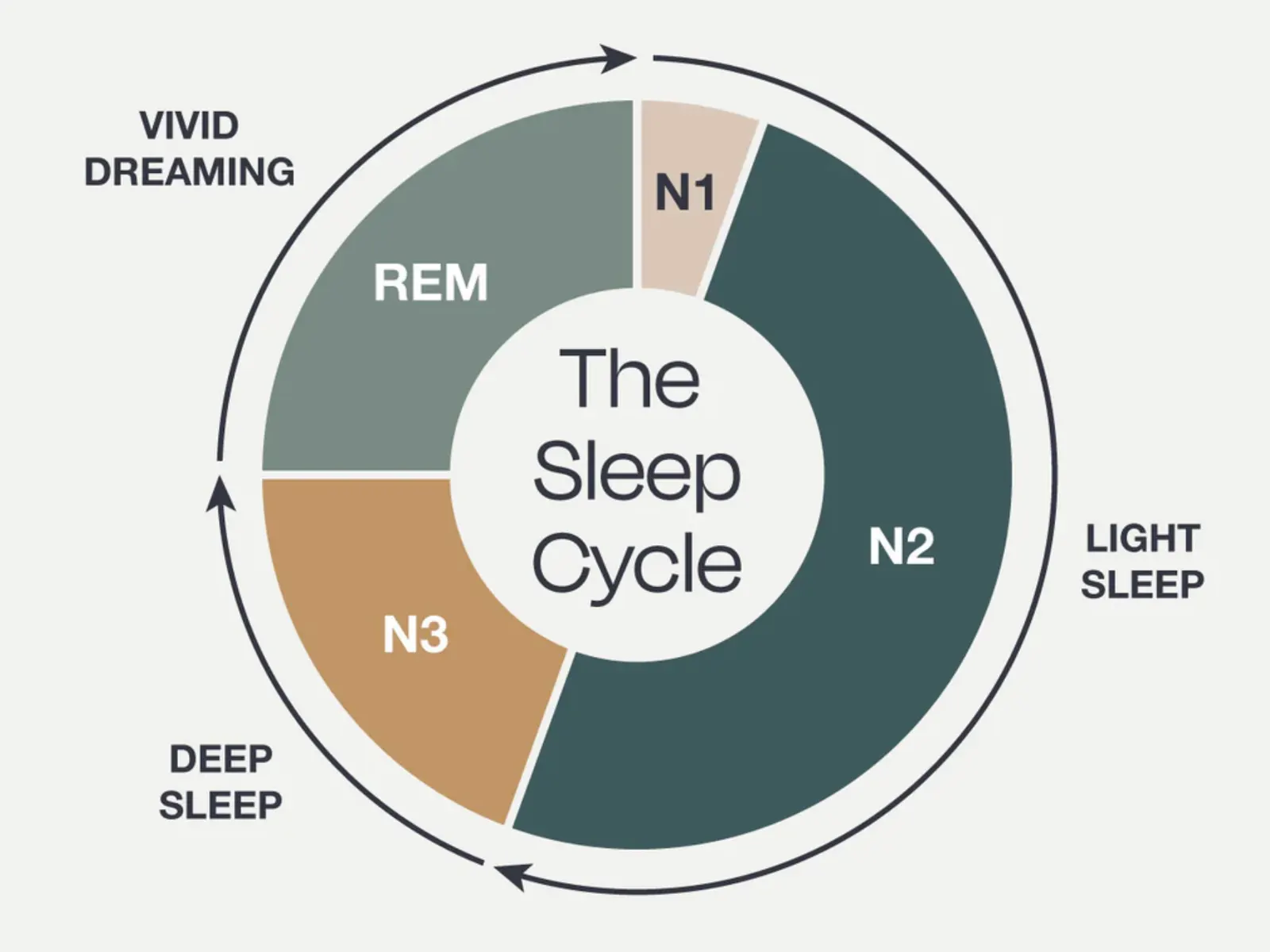
Fatigue vs Recovery: The Real Gap in Sleep Quality
This explains why many people fall asleep instantly yet wake feeling stiff, foggy, or unrested. Fast sleep onset reflects sleep pressure, not recovery quality. Deep Sleep requires the nervous system to disengage fully, circulation to redistribute toward muscles and organs, and posture to stabilize without effort.
When these conditions are not met, the body compensates by remaining in lighter sleep stages. Subtle pressure discomfort, poor spinal alignment, and uneven support trigger micro-arousals and frequent repositioning. Over time, these disruptions fragment sleep cycles and prevent the nervous system from sustaining Deep Sleep long enough to complete its repair processes.

How Static Mattresses Disrupt Sleep Transitions
During the night, the body is in constant transition. Muscle tone gradually decreases, posture shifts, and pressure redistributes as the nervous system moves toward deeper stages of sleep. These changes are essential for recovery. However, traditional static mattresses are designed to remain mechanically unchanged, offering the same level of resistance regardless of how the body relaxes or settles. This creates a mismatch between the body’s evolving needs and the mattress’s fixed response.
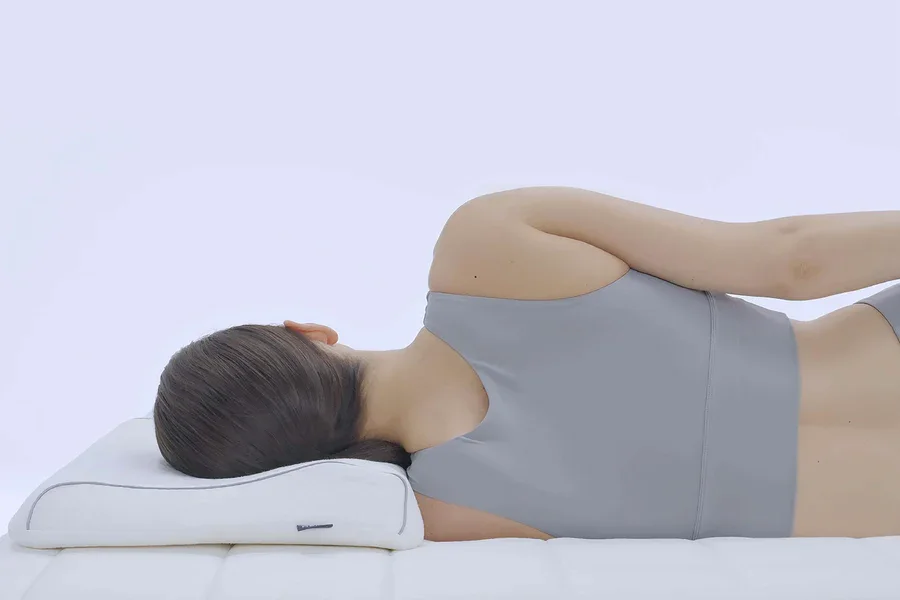
As a result, pressure builds in areas such as the shoulders, hips, and lower back, subtly restricting circulation and stimulating the nervous system. The body responds by making small, unconscious adjustments to relieve discomfort. These movements trigger micro-arousals, fragmenting sleep cycles and shortening time spent in Deep Sleep. Over the course of the night, repeated interruptions prevent the nervous system from sustaining its repair state, reducing the overall quality of recovery even when total sleep time appears sufficient.
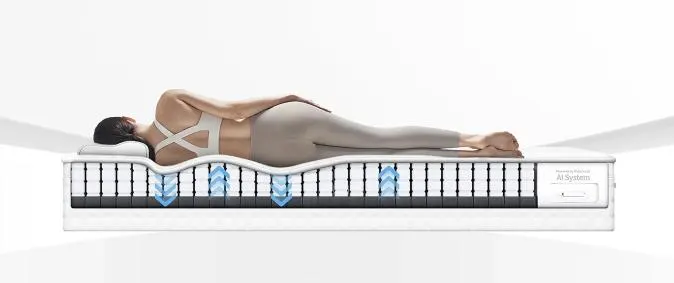
Optimizing Sleep Transitions with HEKA AI Technology
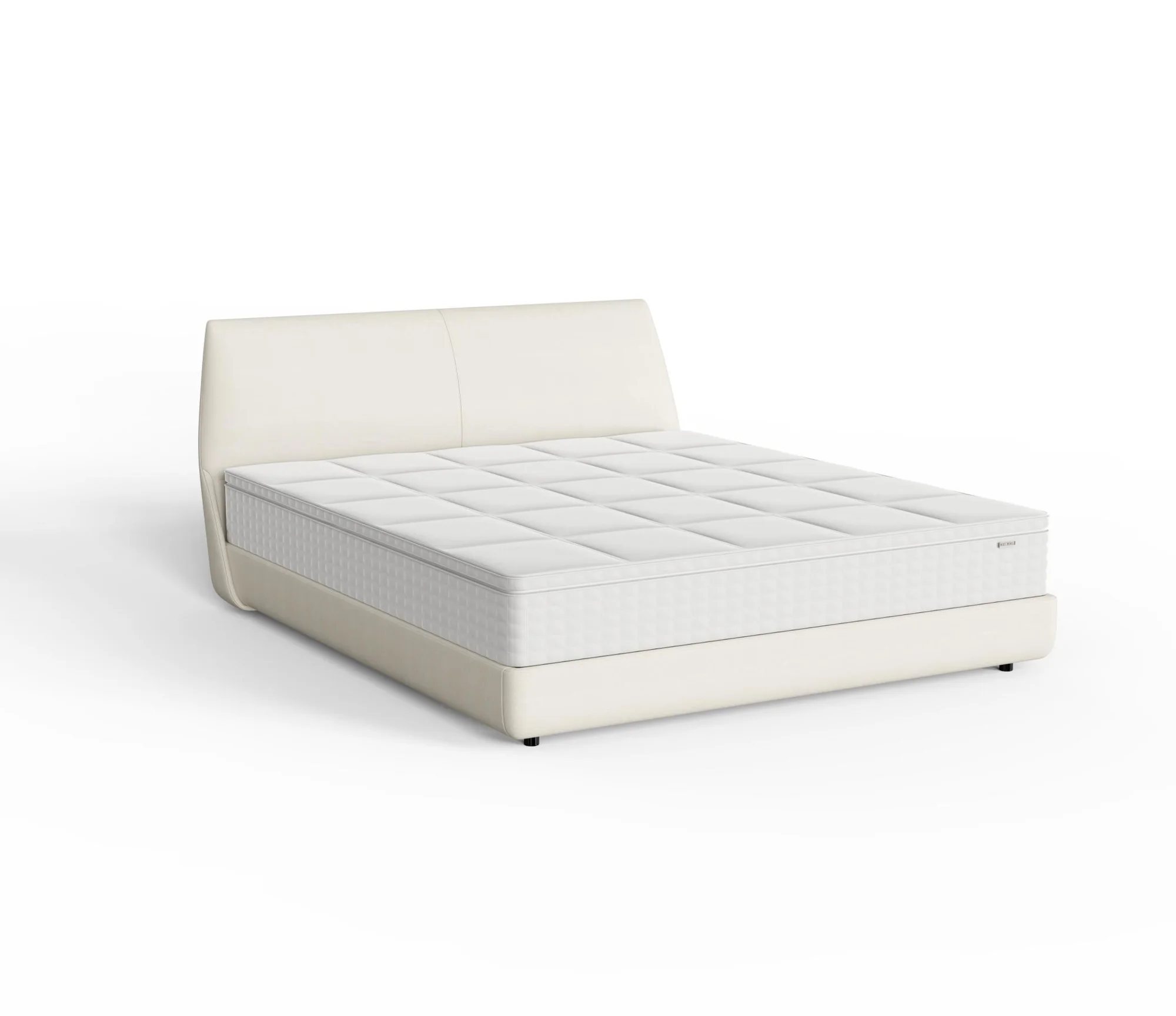
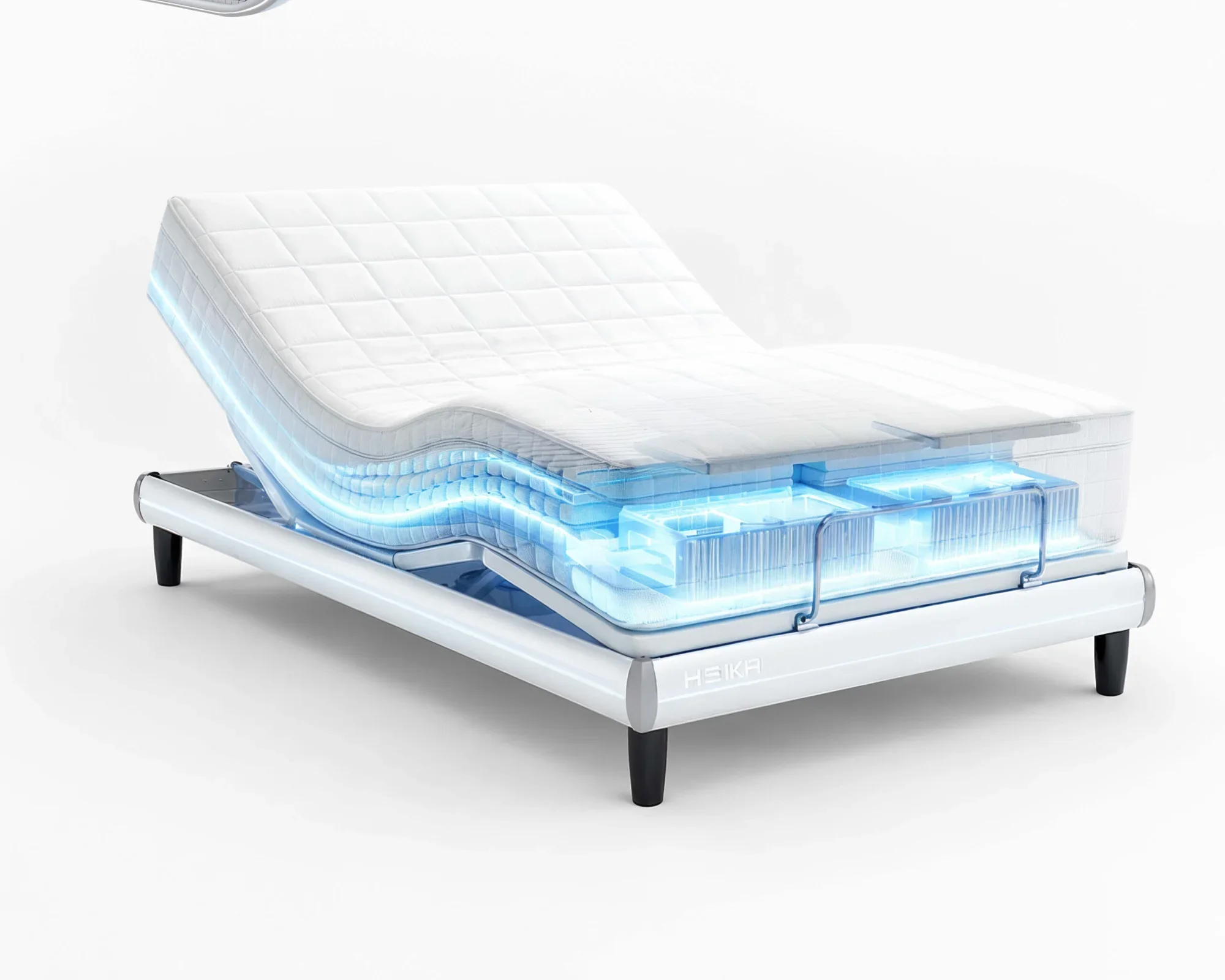
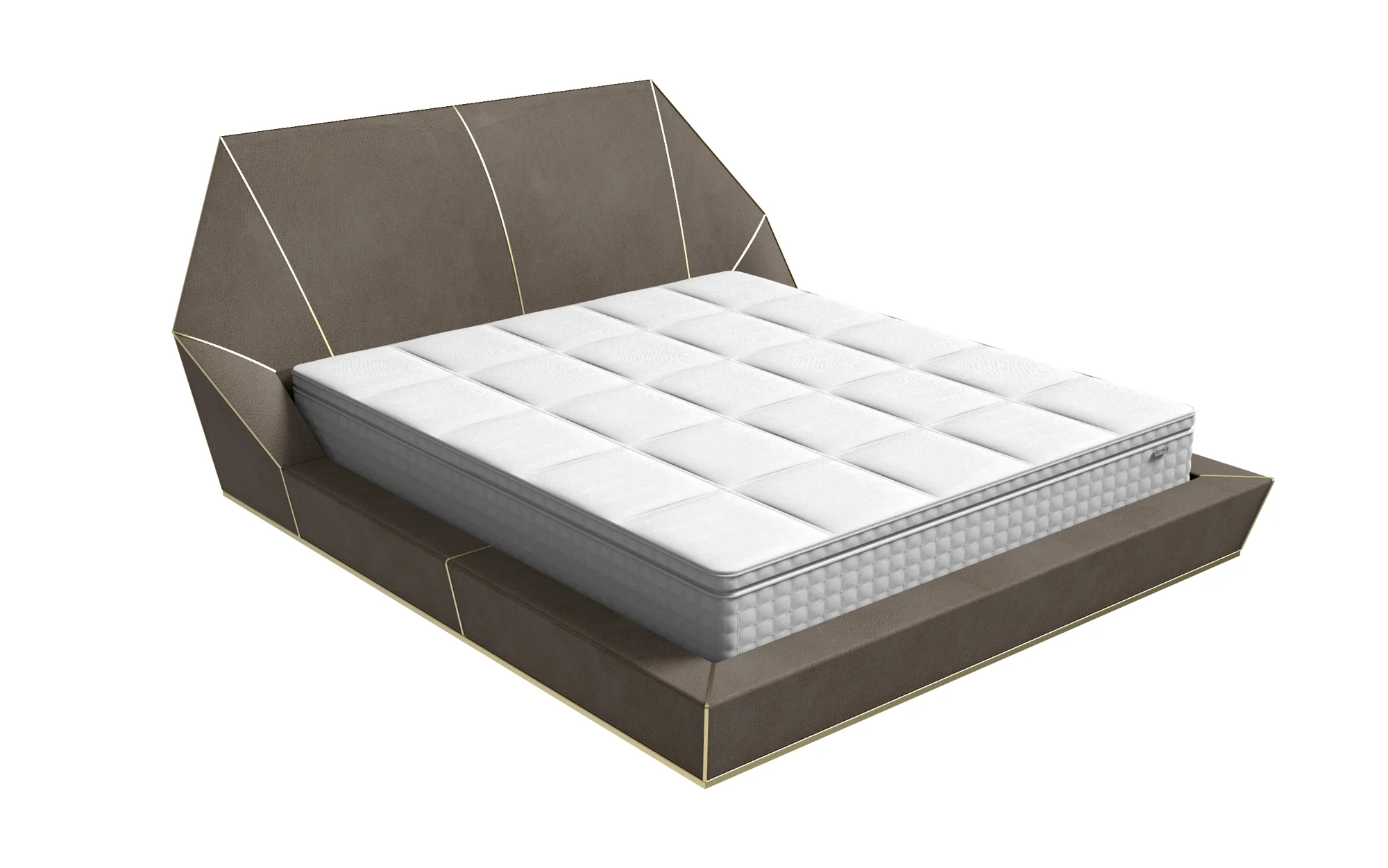
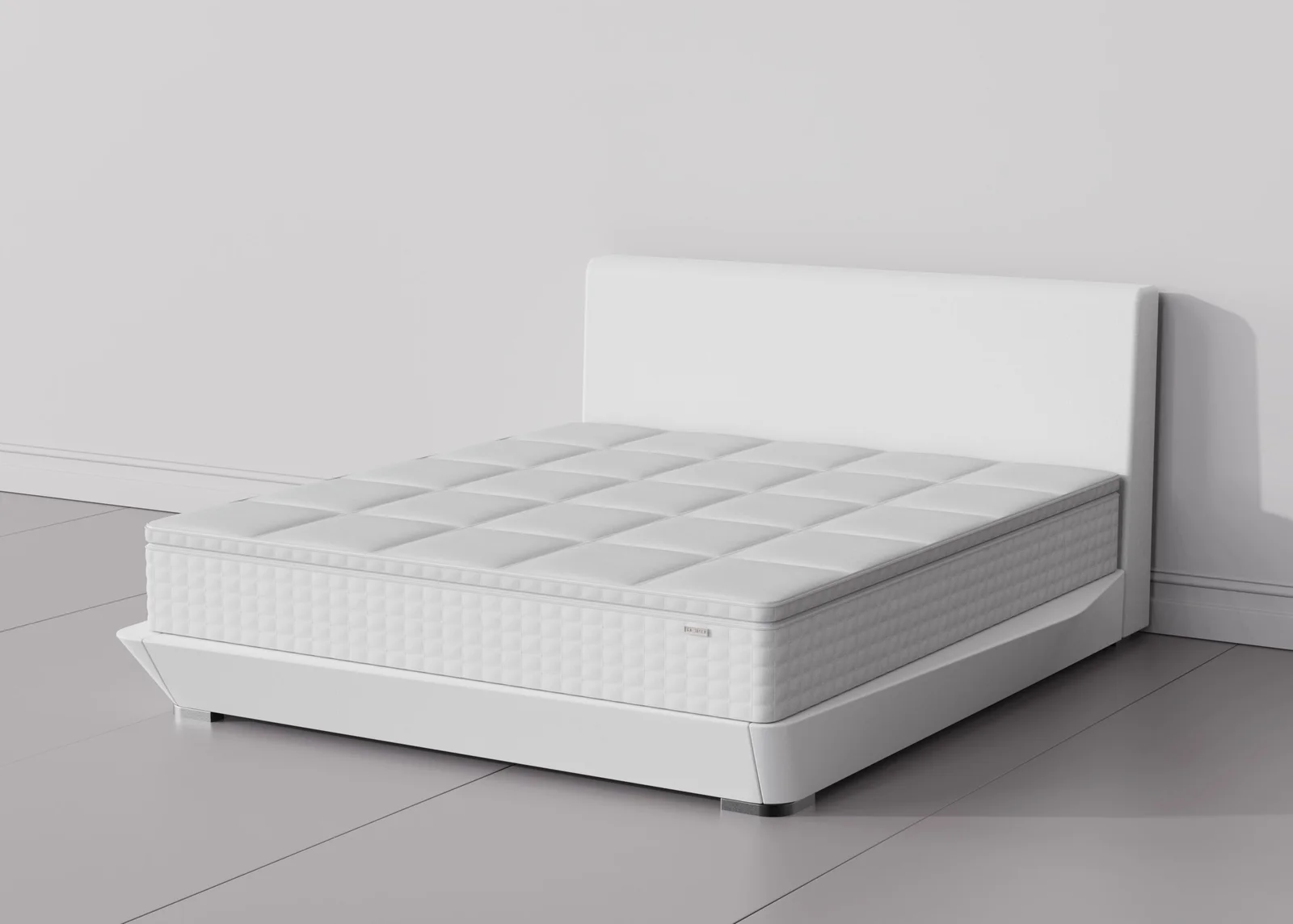
The HEKA AI Mattress is engineered to bridge the gap between sleep onset and deep recovery.
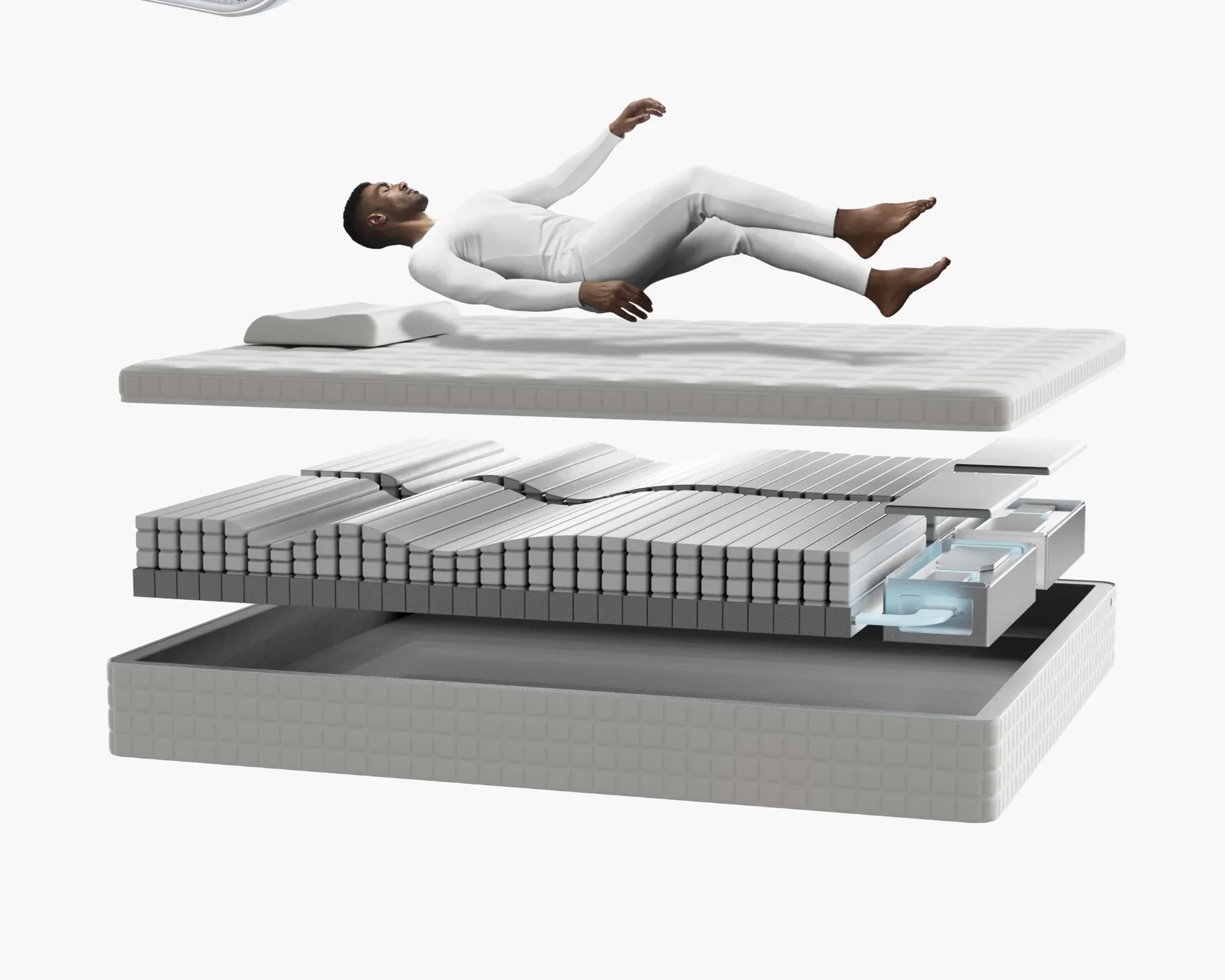
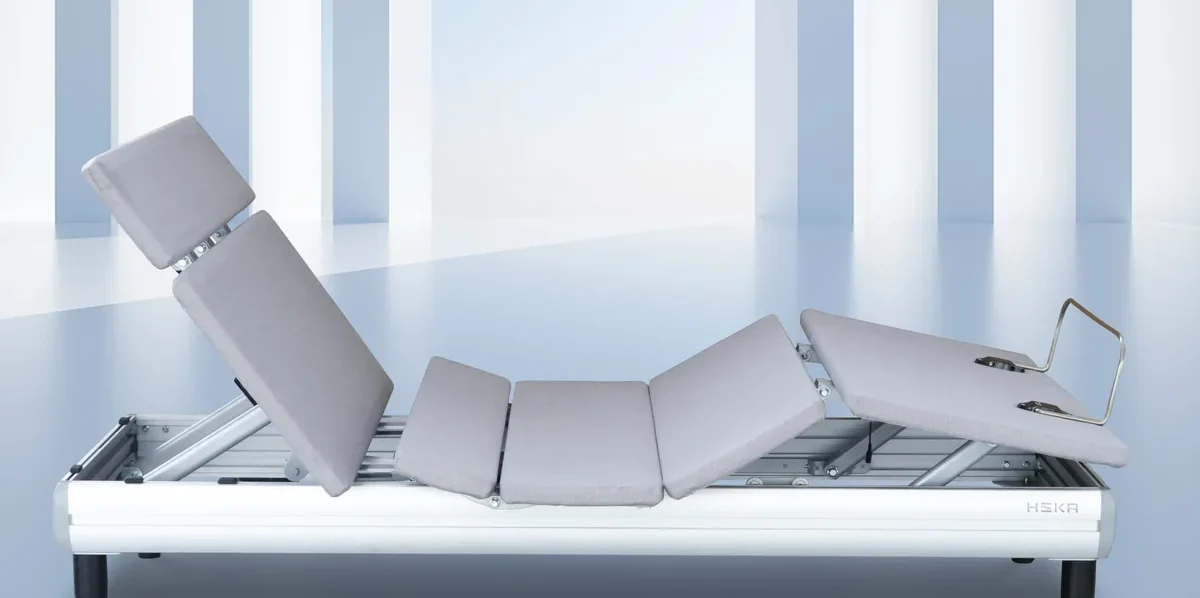
Real-time pressure sensing monitors how the body settles into sleep and adapts lumbar and shoulder support as muscle tone drops.
• Adaptive Support: Stabilizes spinal alignment as posture shifts during the night.
• Reduced Tension: Lowers resistance against the body, supporting a smoother descent into Deep Sleep.
• Enhanced Recovery: Users frequently report clearer mornings and reduced stiffness, reflecting more continuous restorative sleep cycles.
Sleep Onset & Sleep Quality: Common Questions
Is falling asleep in under 5 minutes unhealthy?
Falling asleep extremely quickly is often a sign of accumulated sleep debt rather than optimal sleep health. It indicates high sleep pressure, meaning the body is exhausted, but it does not guarantee sufficient time in Deep Sleep or effective overnight recovery.
Why do I fall asleep fast but still wake up tired?
This usually happens when the body enters sleep under excessive fatigue. While sleep onset is rapid, elevated heart rate, muscle tension, or poor spinal support can delay or fragment Deep Sleep, limiting physical and neurological recovery.
What matters more: falling asleep fast or staying in Deep Sleep longer?
Deep Sleep duration and continuity matter far more than sleep onset speed. Deep Sleep is responsible for tissue repair, immune regulation, and spinal unloading. Without stable Deep Sleep, total sleep time alone cannot ensure quality recovery.
Can my mattress affect how deep my sleep is?
Yes. A mattress that does not adapt to posture changes and muscle relaxation can create pressure points and micro-arousals. These subtle disruptions fragment sleep cycles and reduce time spent in Deep Sleep, even if you remain asleep throughout the night.
How does the HEKA AI Mattress support better sleep recovery?
The HEKA AI Mattress uses real-time pressure sensing to adapt support as muscle tone drops during sleep. By stabilizing spinal alignment and reducing resistance, it helps minimize micro-arousals and supports smoother transitions into sustained Deep Sleep.
Is it normal to move a lot during sleep?
Some movement is natural, but frequent repositioning often signals pressure discomfort or inadequate support. Reducing unnecessary movement helps preserve sleep continuity and allows the nervous system to remain in a deeper recovery state.