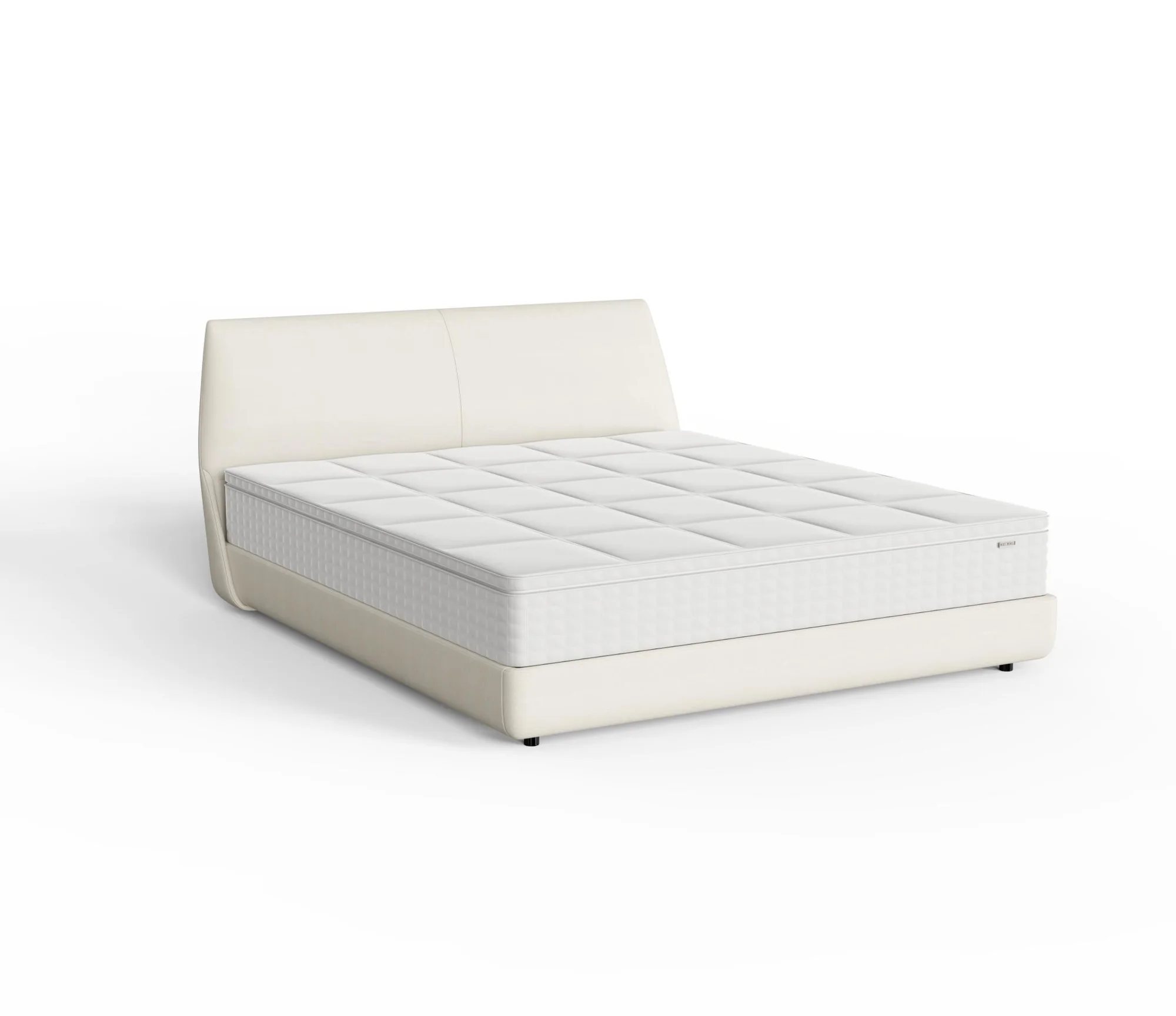

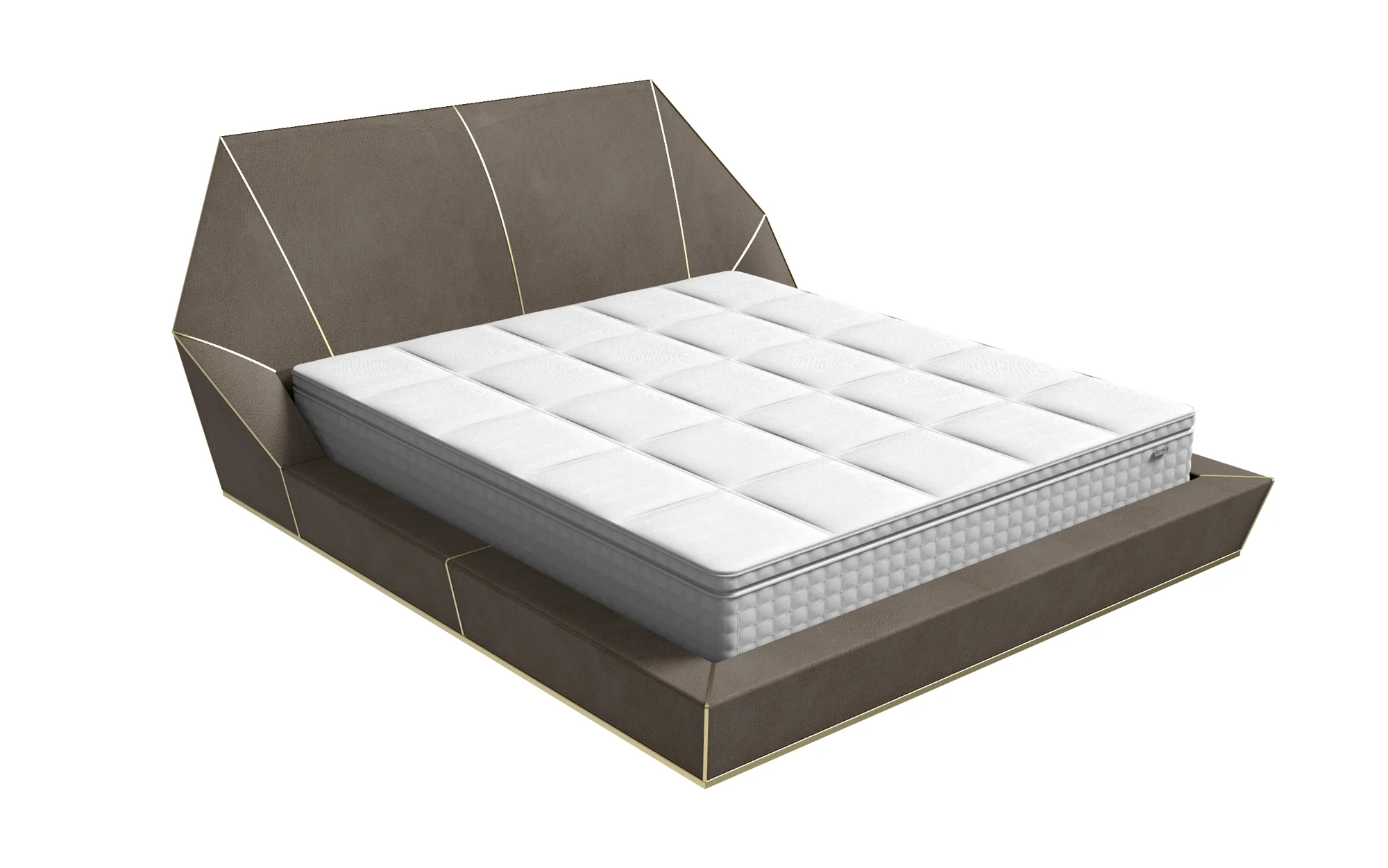
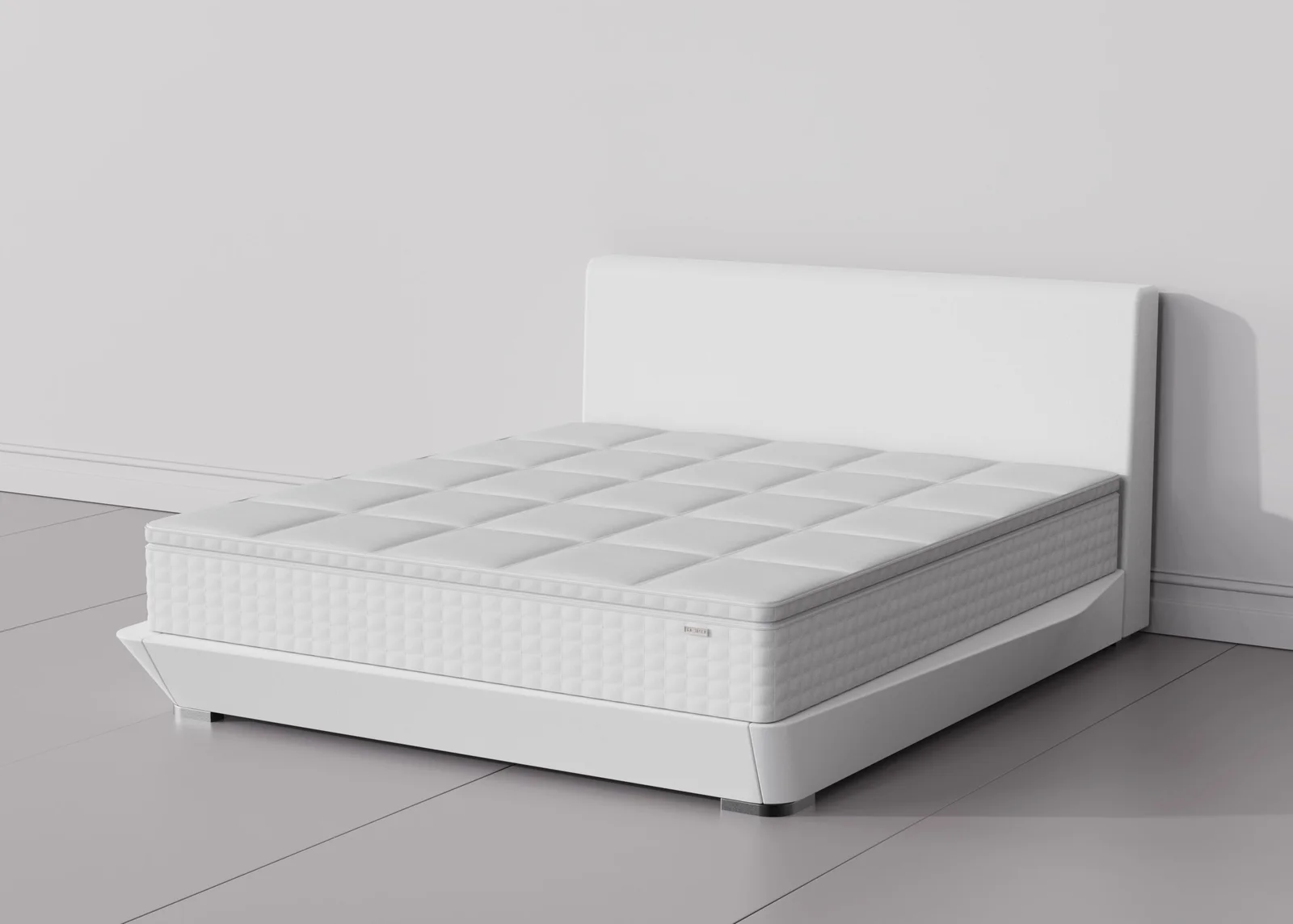


As interest in smart sleep continues to grow, a common question often arises: Are HEKA AI mattresses and adjustable beds the same thing? Both offer advanced features and are related to sleep, so it can be easy to assume they serve similar purposes. However, it is crucial to understand that they address two fundamentally different aspects of sleep, each with its own benefits and functionalities. This distinction is vital when considering options for enhancing your sleep experience.
Adjustable Beds Focus on Positioning
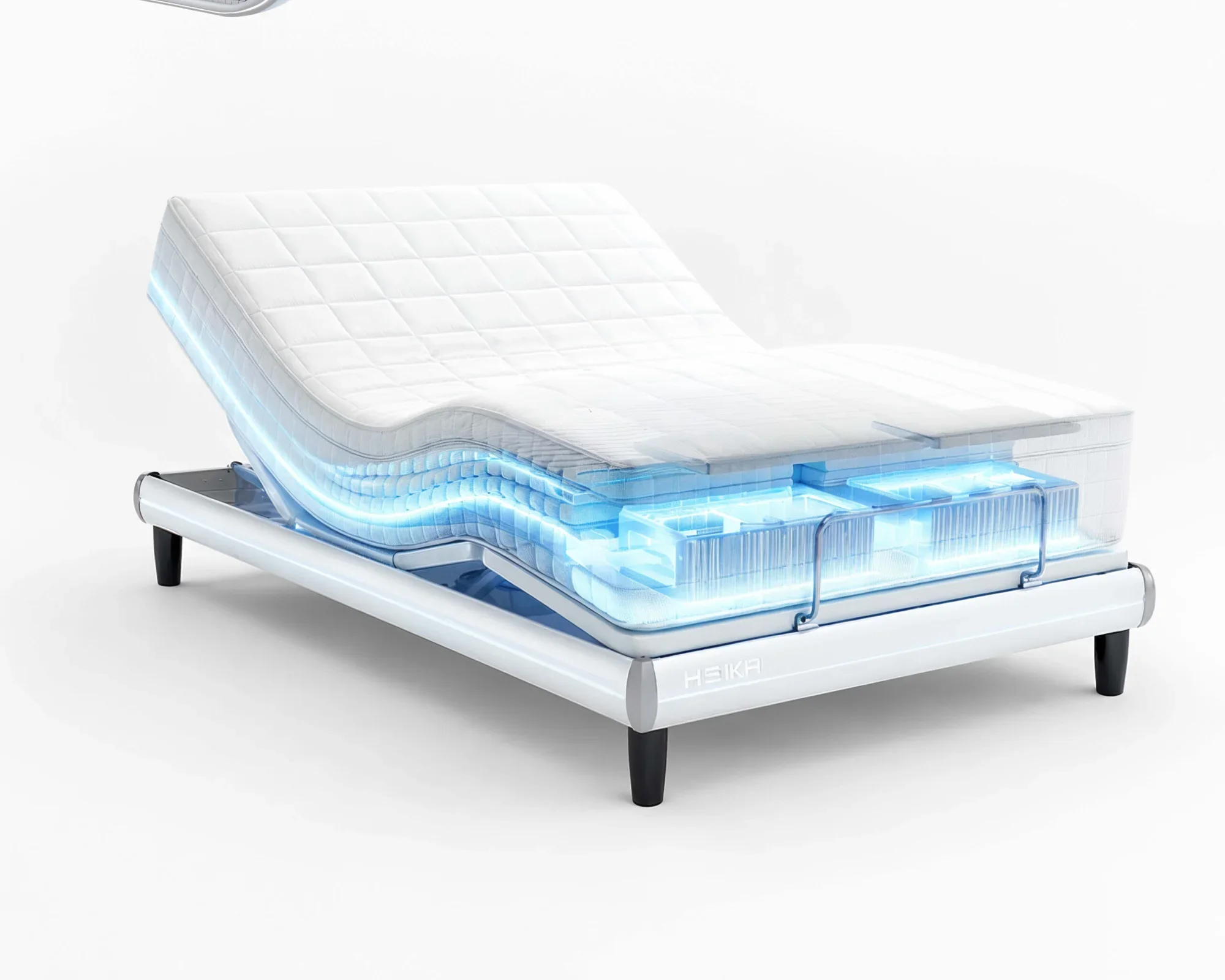
The primary function of an adjustable bed is to change the body position to enhance comfort. By raising the head or legs, it assists people in finding a more suitable posture for various activities such as reading, watching television, or simply resting while awake. For instance, if you often find yourself watching TV in bed, adjusting the head of the bed can alleviate strain on your neck. Adjustable beds can also be beneficial for issues like snoring, as elevating the head can help keep airways open and reduce snoring, and leg discomfort, particularly for those with conditions like arthritis or restless leg syndrome.
These adjustments typically occur while you are still awake. Once you drift off to sleep, the bed’s shape generally remains fixed, ceasing any further adjustments. This can be limiting, especially since research shows that most people naturally shift positions throughout the night. This inability to adapt during sleep can lead to discomfort or even pain if pressure accumulates in certain areas over time.

The Body Continues to Change After You Fall Asleep
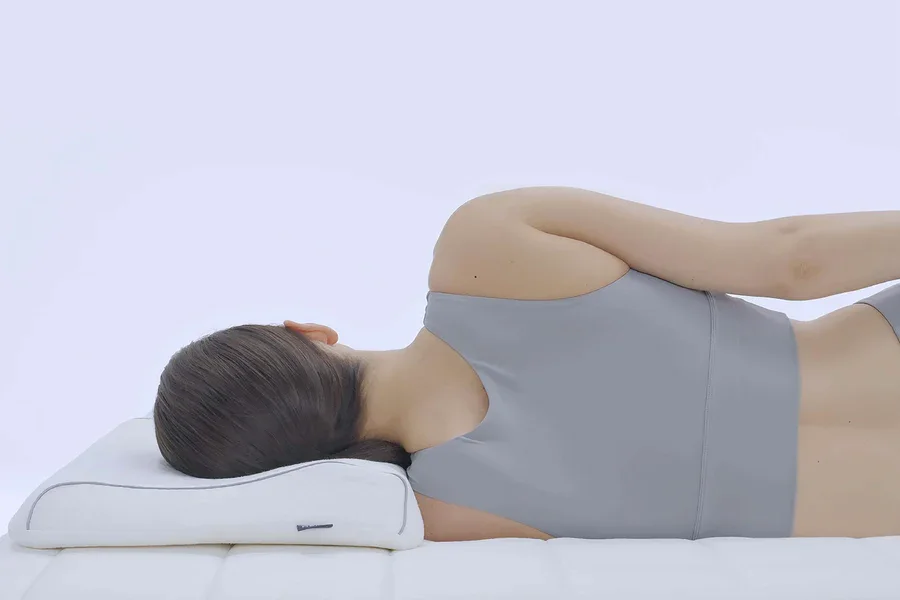
Sleep is not merely a static state; it is dynamic and involves numerous changes. Throughout the night, the body naturally shifts positions, transitioning from the back to the side and vice-versa, based on comfort and other factors such as temperature and pressure. As these postural changes occur, pressure is redistributed across critical points such as the shoulders, hips, and lower back, which can affect overall comfort and sleep quality.
Most of these changes occur without conscious awareness. Adjustable beds do not sense these shifts and cannot respond to them during sleep.
AI Mattresses Focus on the Sleep Process
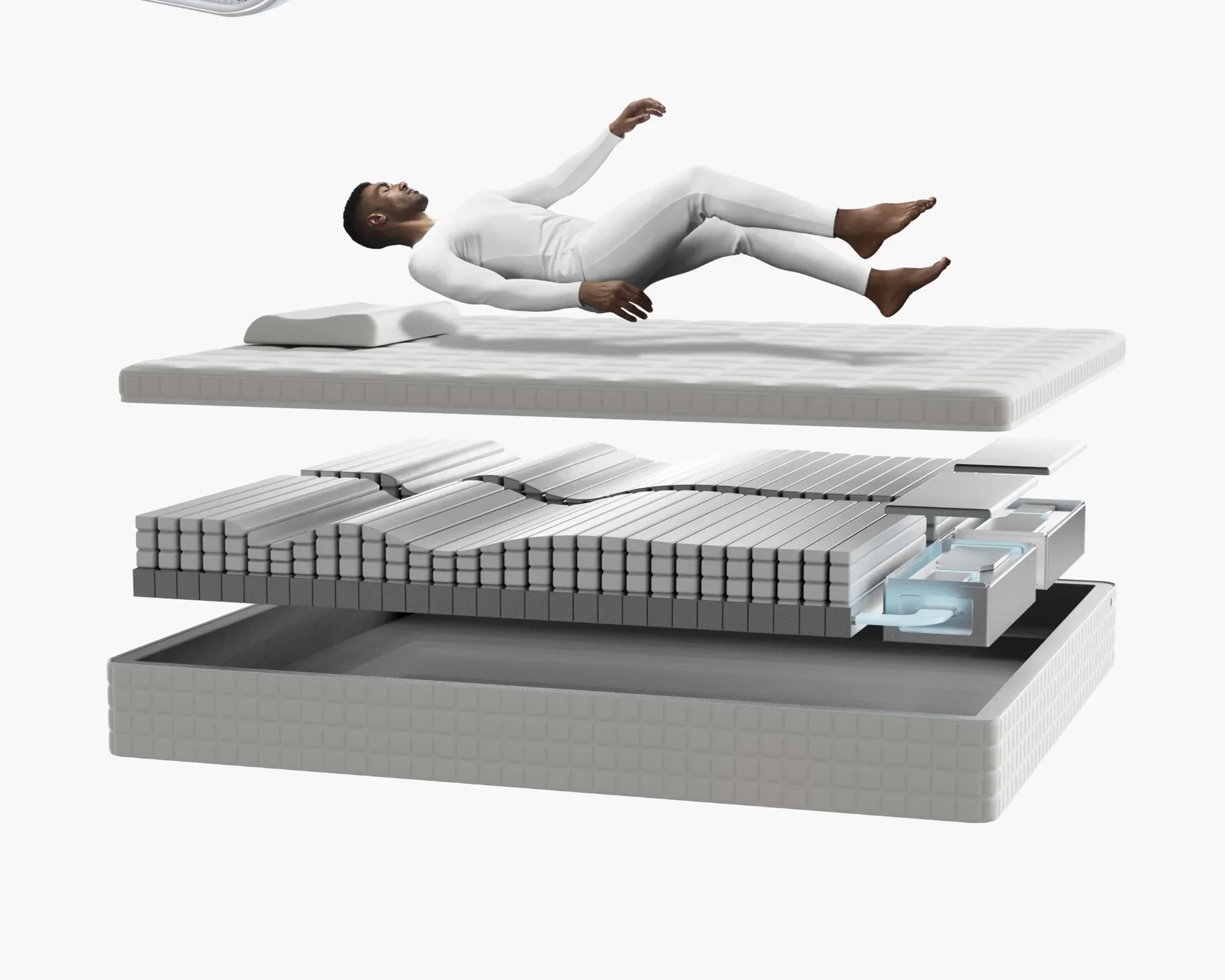
AI mattresses are designed with a different goal in mind: understanding and responding to the body’s needs during sleep. Rather than merely setting a fixed position, they actively monitor various parameters of your sleep experience. This includes tracking changes in pressure distribution on the mattress surface, which directly influences comfort and support levels.
By continuously monitoring pressure distribution, the mattress can intelligently adjust support in different areas as your sleeping position changes throughout the night. For example, if pressure is detected in a specific area for an extended period, the mattress can redistribute support to alleviate discomfort. This means that when you turn or shift during sleep, the mattress responds accordingly. These adjustments are subtle and quiet, ensuring that your restful state remains uninterrupted while still providing the necessary support.

The Fundamental Difference
At a fundamental level, adjustable beds change the overall angle of the bed, while AI mattresses dynamically adjust the way support is delivered based on real-time data about your body. This distinction is crucial because it highlights the difference between a static adjustment meant for awake activities and a dynamic, responsive system designed to enhance sleep quality.
The former is better suited for use while awake or semi-awake. The latter focuses on the continuous changes that occur throughout the night, ensuring that support remains appropriate as the body moves.
Why This Distinction Matters
Many sleep-related discomforts stem not from choosing the wrong position but from prolonged, unchanging pressure on specific parts of the body. When support fails to adapt as the body shifts, it can negatively impact circulation, muscle relaxation, and spinal alignment. This is particularly important for individuals with chronic pain conditions or those who experience discomfort due to prolonged sitting or standing throughout the day.
This is why some people wake up feeling unrested, even after a full night of sleep.
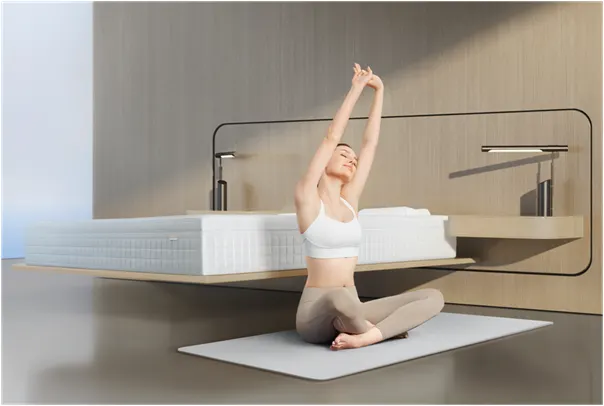
Rethinking What “Smart Sleep” Really Means
Smart sleep is not about having more buttons or more adjustments. For sleep, true intelligence lies in the ability to respond automatically, without requiring conscious input.
Rather than asking how high a bed can be adjusted, it may be more meaningful to ask whether it truly understands how your body changes during sleep.