
We live in a world obsessed with optimizing daytime performance. We track our steps, buy expensive ergonomic office chairs, go to yoga, and invest in physiotherapy. We do everything right to keep our bodies strong and pain-free.
Yet, many people find themselves trapped in a frustrating, endless cycle of back pain. It starts as a dull ache in your lower back by mid-afternoon, a stubborn stiffness in your neck that makes driving uncomfortable, or that familiar, sharp pinch when you bend down to tie your shoes.
This isn’t necessarily a sign of aging, and it’s not because you aren’t stretching enough. This is the cumulative effect of a mattress that is quietly damaging your spine for eight hours every single night. If your bed forces your body to endure structural stress while you sleep, all your daytime treatments and stretching are merely spent trying to undo the nighttime damage.

Understanding the Daylight Strain vs. Nighttime Payback
Throughout the day, your spine takes a beating. Gravity continuously compresses your spinal discs, while sitting at a desk or standing for hours forces your lower back muscles to work overtime. By the time your head hits the pillow, your back is exhausted, tight, and slightly compacted.
Sleep is supposed to be the ultimate cure for back pain. When you lie down horizontally, gravity is removed. Your deep core muscles should fully relax, and your spinal discs should undergo imbibition—a natural process where they decompress like sponges, soaking up nutrient-rich fluids and flushing out the day’s waste.
However, if your mattress is static, this healing process breaks down completely:
- If your bed is too firm: Your shoulders and hips push back against the surface, leaving your lower back completely suspended in mid-air. Your core muscles are forced to stay locked and contracted all night just to keep your spine from sagging. You are essentially doing a mild, eight-hour plank while trying to sleep.
- If it is too soft: Your pelvis sinks too deep, causing your lumbar spine to hammock and bow unnaturally.
Instead of decompressing and healing your back pain, your body spends the night in a tense, isometric struggle against a mismatched surface. You wake up already carrying a physical deficit, wondering why your back hurts before your feet even touch the floor.

The Compounding Cycle of Chronic Back Pain
When you wake up with morning stiffness, the damage doesn’t stop in the bedroom. Your body spends the rest of the day compensating for that unresolved nighttime strain. Tight lower back muscles alter your posture, causing your pelvis to tilt; an unsupported neck leads to rounded shoulders and upper back tension at your desk.
Over months and years, this constant mechanical compensation accelerates wear and tear on your joints, turning occasional morning stiffness into chronic, everyday back pain. No amount of massage or daytime ergonomics can fully fix your back if you continue to spend a third of your life on a surface that actively stresses your musculoskeletal system.
True Realignment: How HEKA AI Eliminates the Root Cause
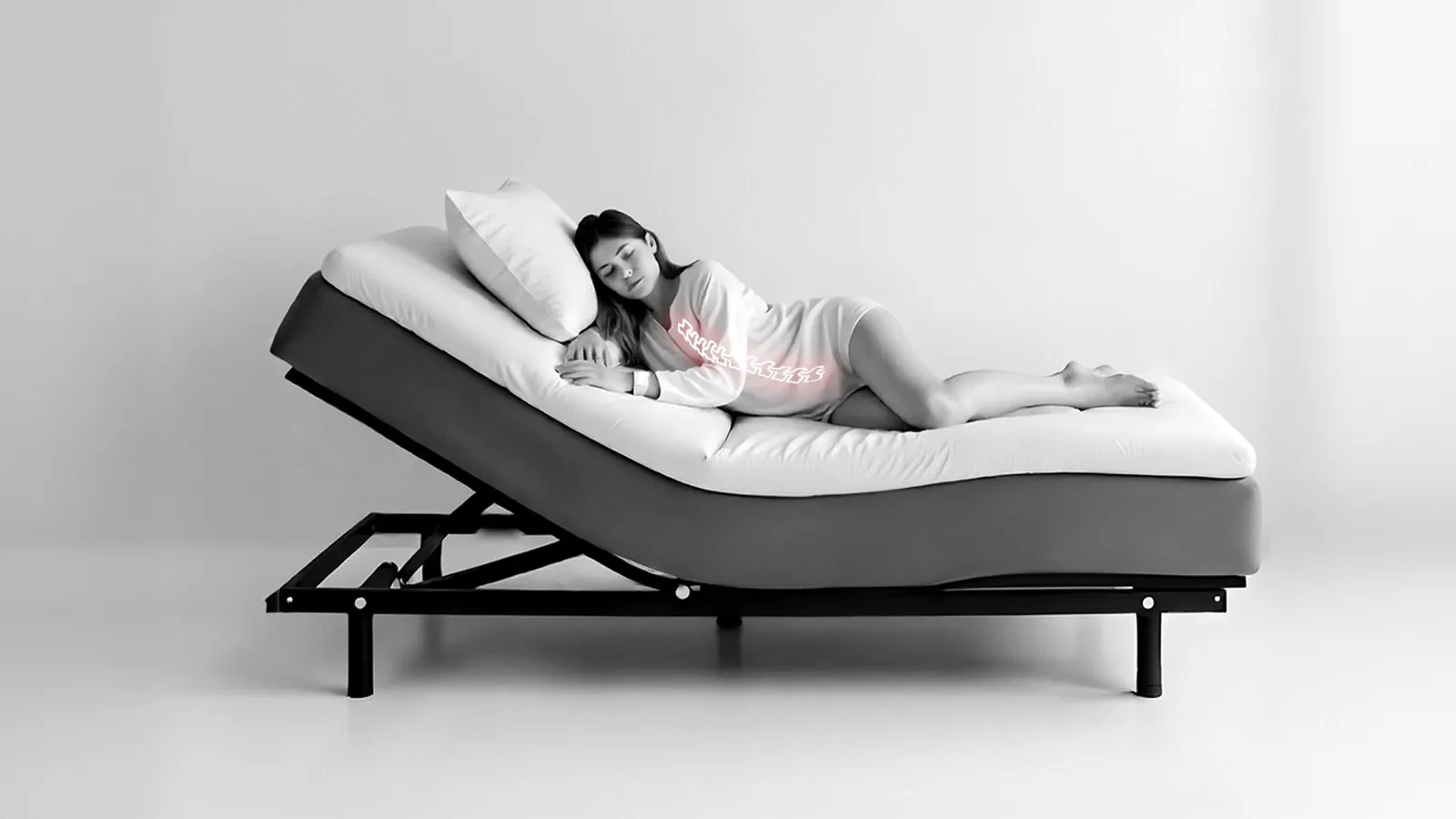
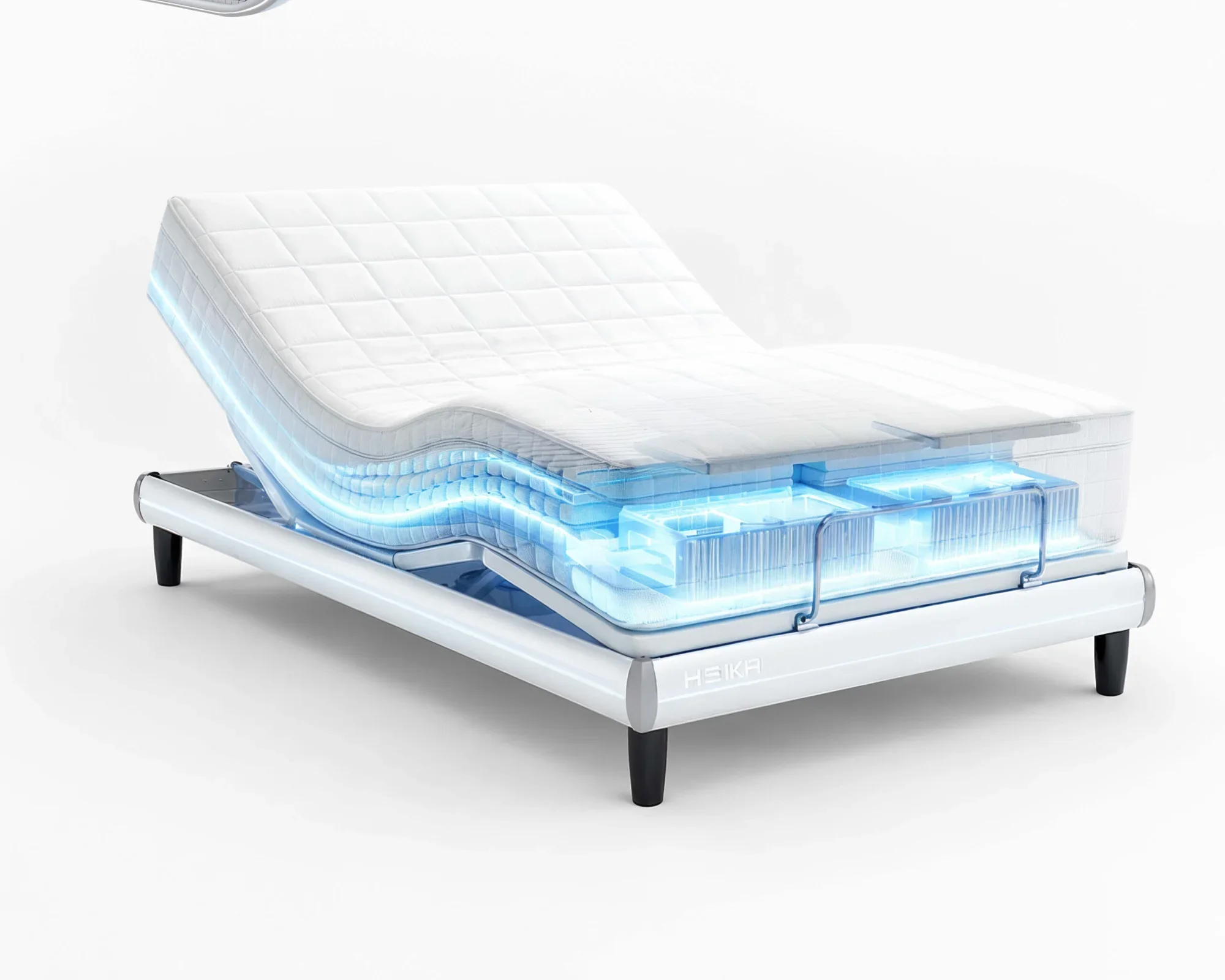
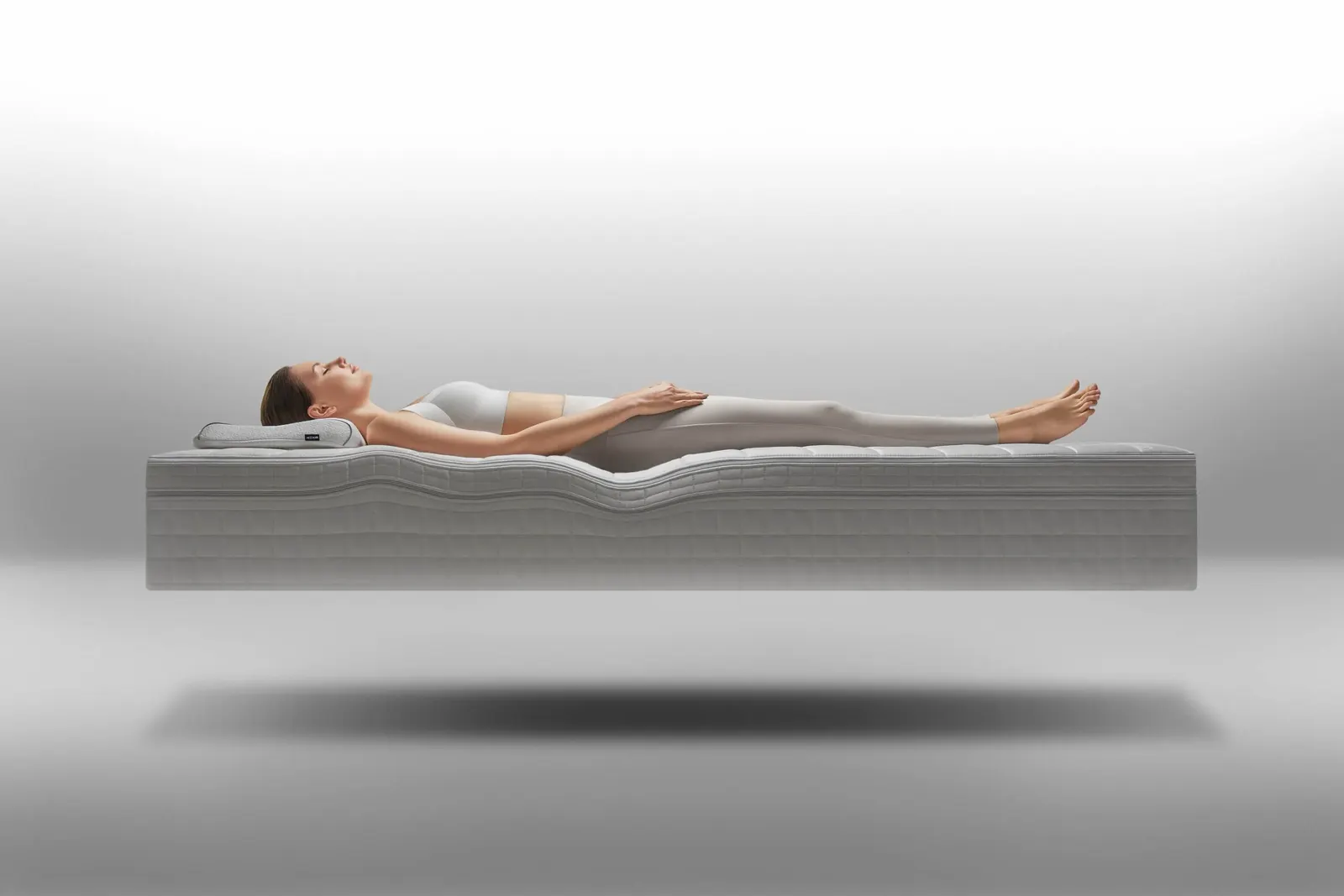
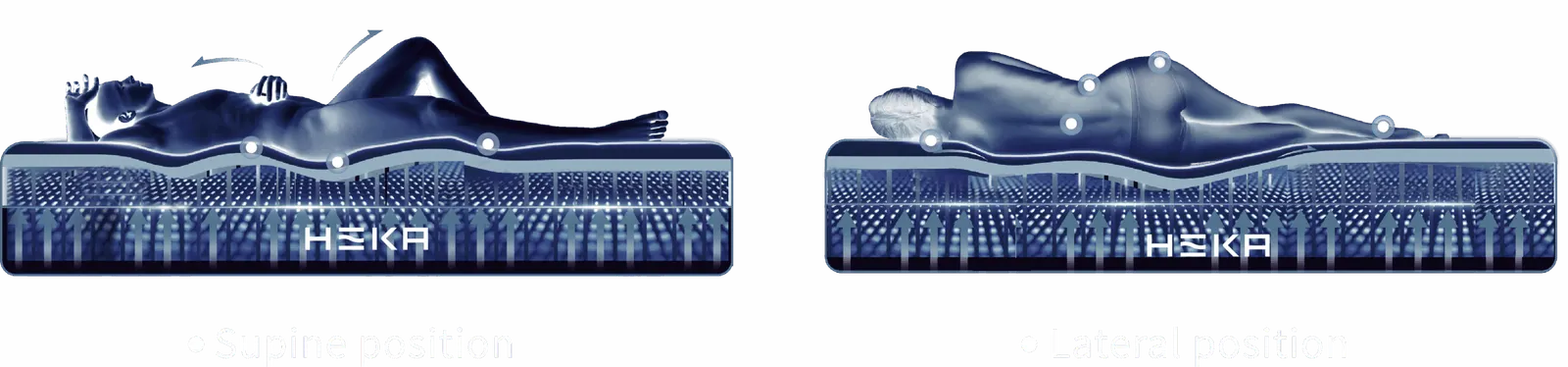
You cannot cure back pain on a fixed, static mattress because your body changes alignment every time you move. A mattress that feels okay when you lie on your back fails the moment you roll onto your side. The HEKA AI Mattress solves this by treating back pain support as an active, real-time equation.
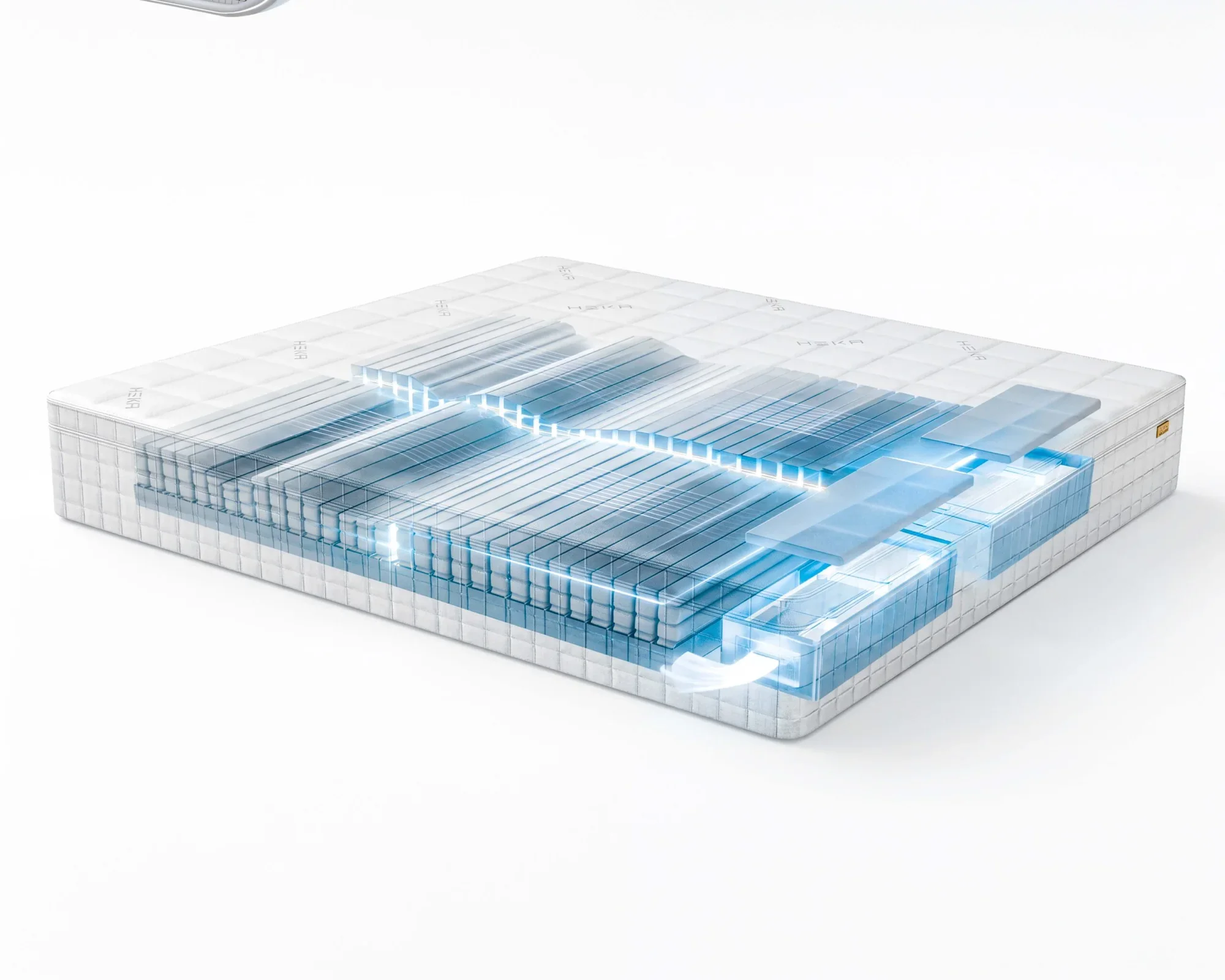
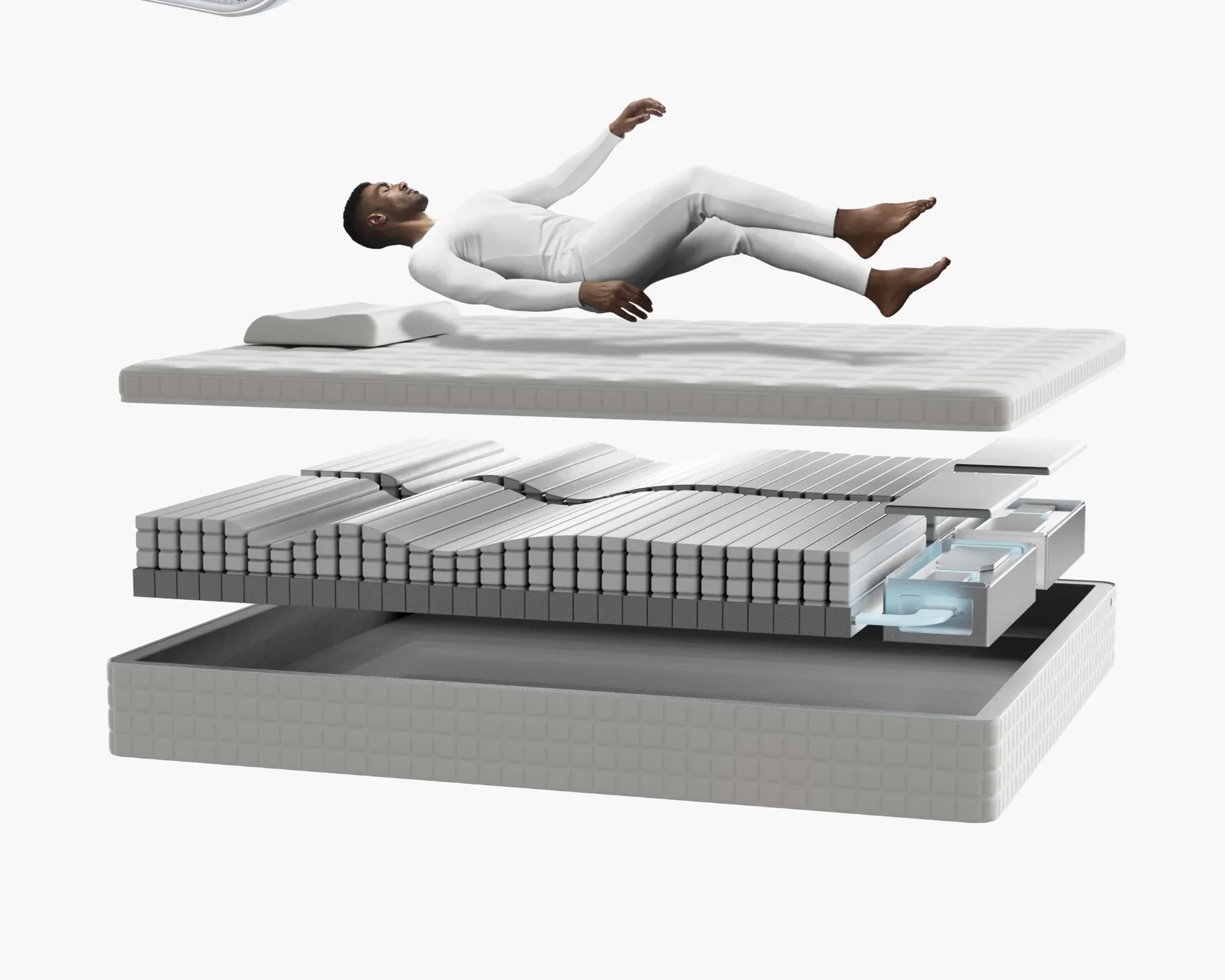
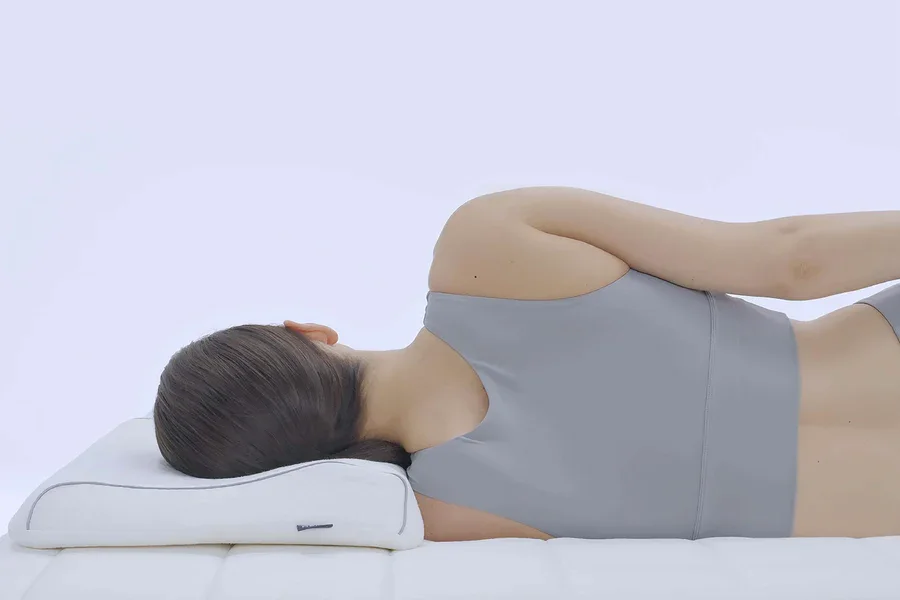
Equipped with advanced AI technology and automated pressure-adjusting features, HEKA maps your body’s unique pressure signature the moment you lie down. As you transition between sleeping on your back, side, or stomach throughout the night, the mattress dynamically shifts its internal support within milliseconds. It guarantees that the vital gap beneath your neck and lumbar spine stays consistently within 1 to 2mm.
This precise, customized calibration allows your spine to achieve a true neutral alignment. The protective, painful tension in your lower back muscles completely melts away, allowing your spinal discs to complete their natural recovery cycle completely undisturbed.
Stop Living with Back Pain
Your daytime energy, your posture, and your long-term mobility are entirely dependent on whether your mattress is healing your spine or hurting it. If your bed isn’t actively working to relieve pressure on your lower back, it is the root cause of your pain.
Stop carrying yesterday’s back pain into tomorrow. Give your skeletal system the intelligent, responsive environment it needs to heal. Book a HEKA AI Sleep Pressure Test today, and see exactly how much pressure your current mattress is putting on your lower back.