

Many people who struggle with sleep naturally assume their mattress is too soft or too firm. However, even after replacing several mattresses over the years, many still wake up with stiffness, aches, or a sense of not feeling restored. The reason is simple. Comfort cannot be defined by firmness alone.
Sleep quality is not determined by a single factor. It depends on how your body carries pressure, how your spine is positioned, and how stable you remain when you change sleep positions. Only when these elements stay balanced can the body enter deep, consistent, and restorative rest.
When this balance is disrupted, the body begins to adjust repeatedly throughout the night. These movements may seem minor, yet they interrupt deeper sleep stages. As a result, you may wake up feeling tired, as if you never truly rested.
Why Sleep Pressure Influences Your Rest
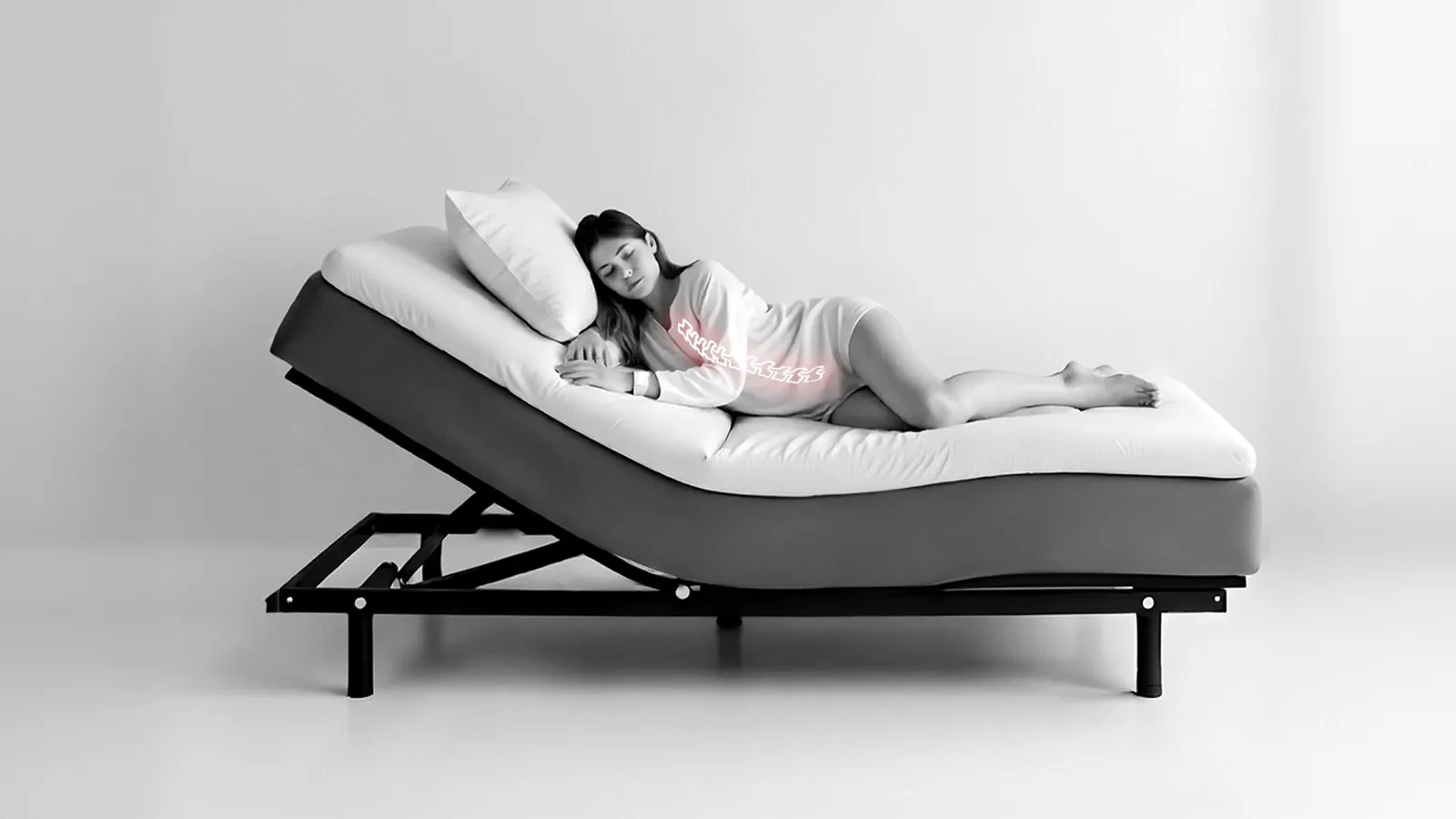
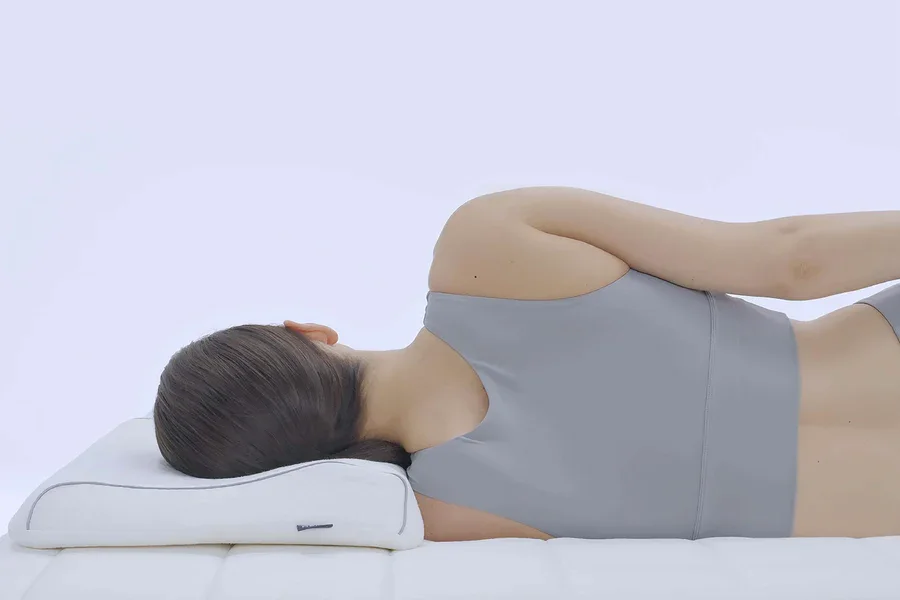
When you lie down, your body weight concentrates on several key regions. These regions shift depending on your sleep position. When you sleep on your side, your shoulder and hip carry most of the pressure. When you sleep on your back, your lower spine and lumbar area absorb the primary load. If these loads become uneven, they create pressure points that slow circulation, prevent muscles from relaxing, and push the spine away from its natural alignment. This leads to frequent turning throughout the night and disrupts your natural sleep cycle.
Traditional mattresses such as innerspring, memory foam, or hybrid models provide different types of support, but they share one core limitation. They are static. Once you lie down, the mattress does not adjust its support as your posture changes. A mattress that supports your back well may not support your shoulder when you turn onto your side. This explains why many people feel uncomfortable despite trying several different mattress types.

How the AI Sleep Pressure Test Makes the Problem Clear
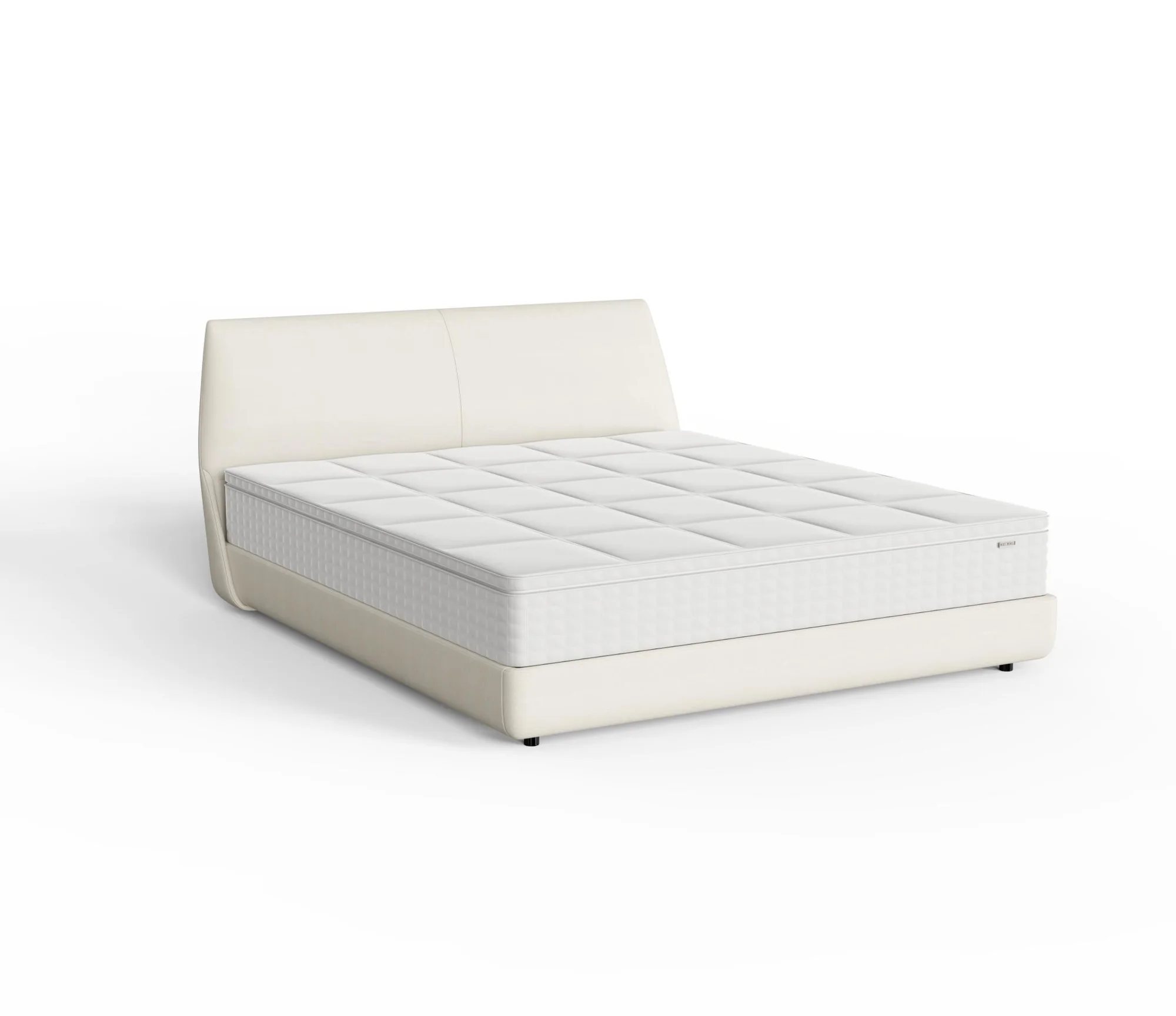
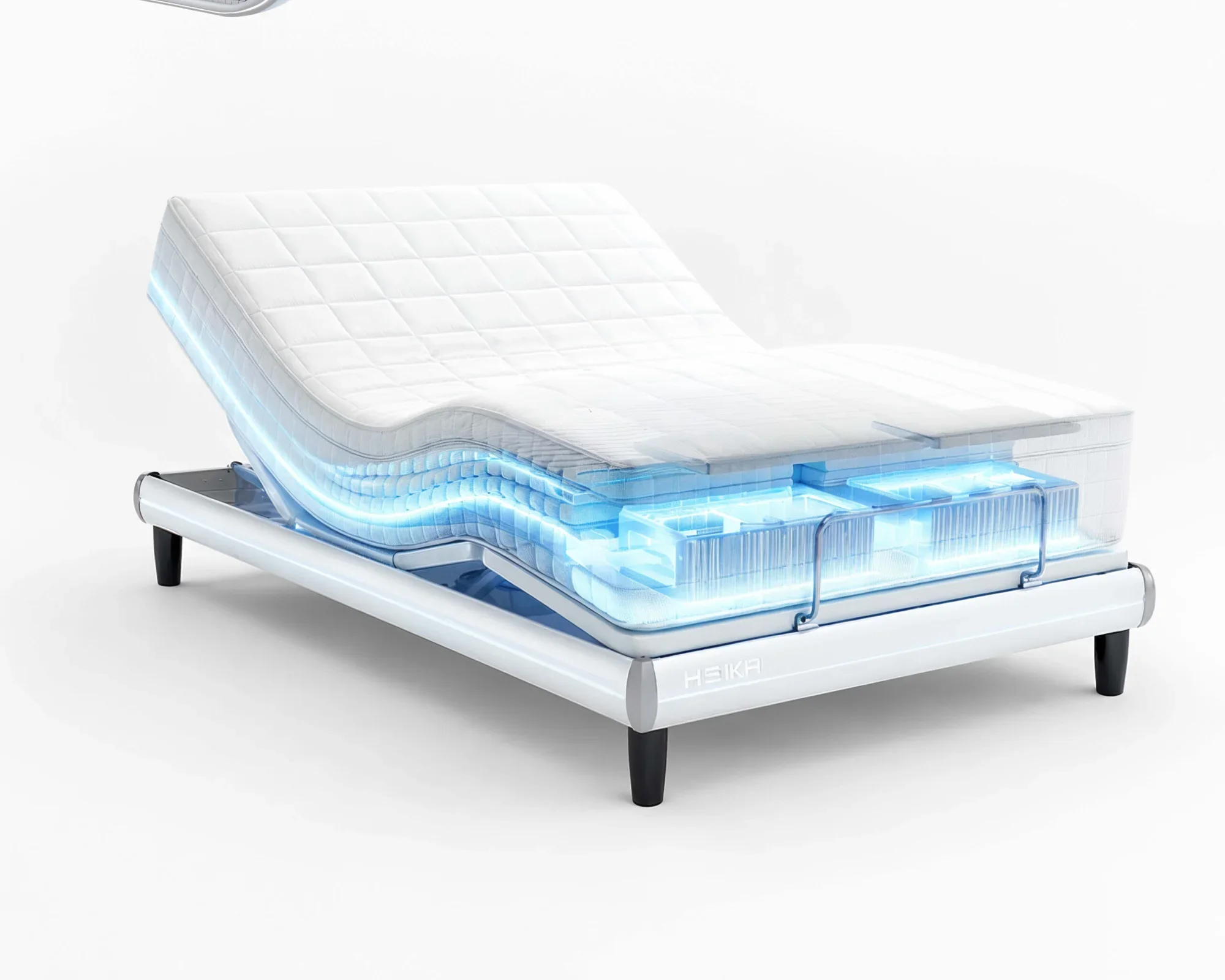
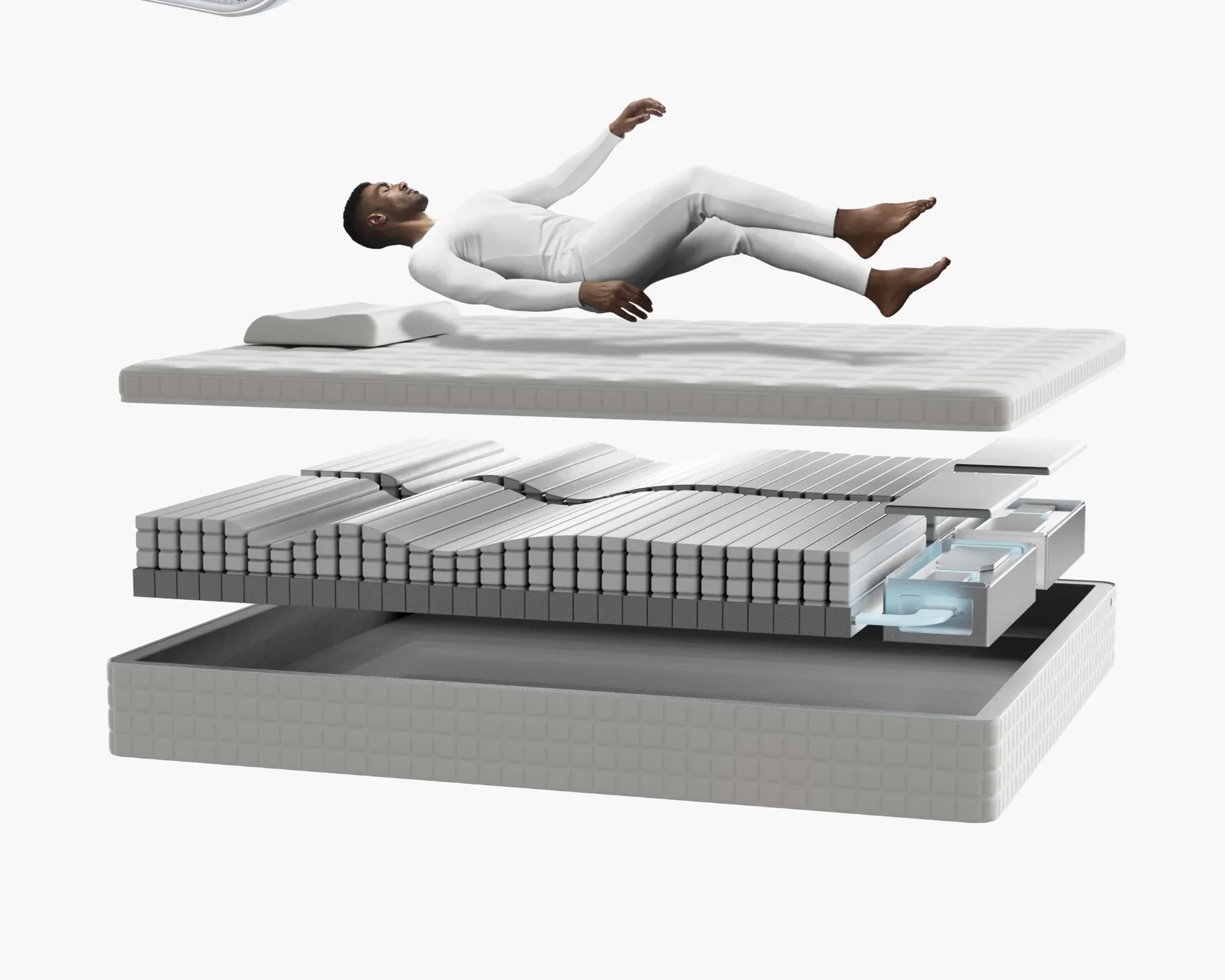
To understand how the body carries pressure during sleep, HEKA developed the AI Sleep Pressure Test. When you lie on the HEKA AI Mattress, the mattress instantly detects how different regions of your body carry pressure. This information is then presented as a clear pressure map. High-pressure areas become easy to identify, allowing you to understand the true source of your discomfort.
This data is often far more accurate than relying on subjective feelings of firmness, because it reflects how your body truly interacts with the sleep surface.
Common observations include the following • Side sleepers often experience excessive pressure on one shoulder or hip • Back sleepers tend to place high load on the lumbar region • Lighter sleepers may float on the surface and struggle to relax • Heavier sleepers may sink unevenly and lose spinal alignment
A pressure map helps you find the type of support your body actually needs, instead of choosing based only on firmness.

Why Dynamic Support Matters
Good sleep requires more than a comfortable starting position. It requires balance throughout every stage of the night. This is where dynamic support becomes essential.
When a mattress can detect how your body carries pressure and adjust its support when your posture changes, your body no longer needs to make constant corrections. This stability helps you enter deeper and more continuous sleep cycles.
This explains why sleep pressure reflects real sleep needs much more accurately than the traditional soft, medium, or firm categories. It describes the true interaction between your body and your mattress.
A More Accurate Way to Improve Your Sleep
Understanding your own pressure pattern is the most important step toward better sleep quality. It allows you to move past the narrow idea of softness or firmness and instead choose a mattress that adjusts to your real needs.
You are welcome to visit HEKA and experience the AI Sleep Pressure Test in person. Seeing your own pressure map will help you understand how modern sleep technology can make every night of rest deeper, steadier, and more comfortable.